BCF Report Details Displacement From Aleppo Neighborhoods and Ongoing Aid Response in Afrin
A BCF report says over 27,000 families were displaced from Aleppo neighborhoods amid clashes, with most sheltering in Afrin, as aid groups provide food, medical care, and winter assistance.
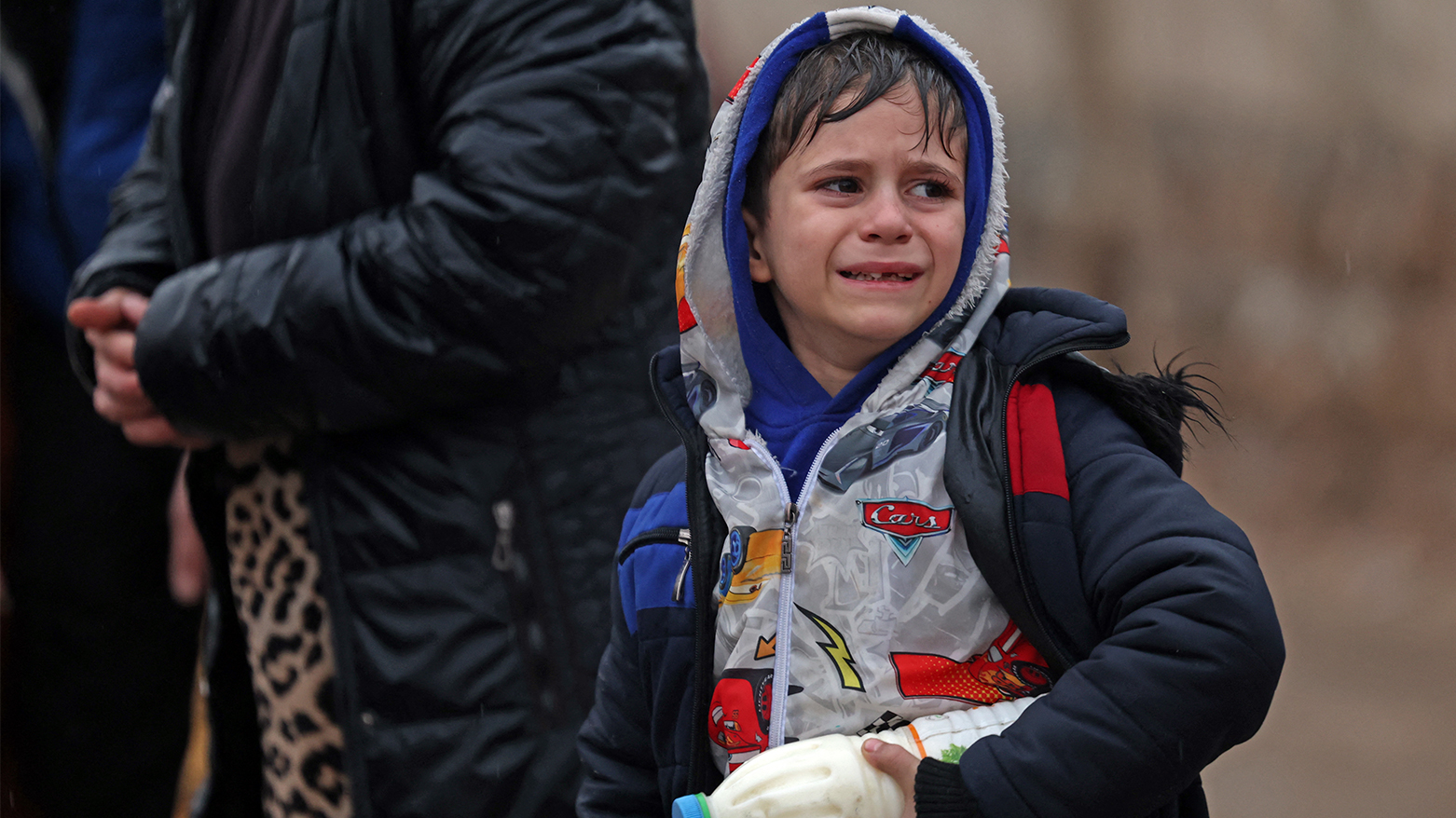
ERBIL (Kurdistan24) - More than 27,000 families have been displaced from parts of Aleppo Governorate over the past several days following clashes in the Ashrafiyeh and Sheikh Maqsud neighborhoods, according to a daily report issued by the Barzani Charity Foundation’s Syria Office in Afrin documenting the scale of displacement and the foundation’s emergency response.
The report, titled “BCF's Daily Report on Responding to the Displacement Crisis of Aleppo Residents” and dated Jan. 10, 2026, states that as of 11:29 a.m. on Jan. 8, a total of 27,750 families — estimated at 138,750 individuals — had been displaced as a result of the fighting.
The foundation cited reports from the Ministry of Social Affairs and Labor and the Aleppo Governorate Directorate as the source of these figures.
According to the report, the wave of displacement continued through the evening of Jan. 9, with nearly 2,000 additional families forced to flee by 10:00 p.m. The document describes the situation as evolving rapidly, with ongoing clashes contributing to further civilian movement from affected neighborhoods.
Aleppo’s governor also reported on Saturday that fighting in the city’s Kurdish-majority neighborhoods has displaced an estimated 155,000 people, underscoring the growing humanitarian toll of the clashes.
Governor Azzam al-Gharib told a press conference that “approximately 155,000 people have been displaced from the Sheikh Maqsud and Ashrafiyeh neighborhoods,” with residents fleeing to other parts of Aleppo and to nearby rural areas.
The Barzani Charity Foundation identified several vulnerabilities shaping the humanitarian situation.
Among them are severe winter conditions, which the report said have increased risks for displaced populations, particularly children, women, and the elderly. The foundation also cited protection concerns, noting reports of civilian casualties linked to the continuation of clashes in the affected areas.
Shelter availability emerged as a central challenge. The report stated that the majority of displaced families have moved toward the Afrin district, including its villages and sub-districts.
According to figures attributed to the Department of Social Affairs, more than 22,000 families — representing approximately 110,000 individuals — have arrived in these locations, placing additional strain on existing shelter capacity and increasing the need for preparation and support.
The findings outlined in the report build on earlier coverage by Kurdistan24, which reported that clashes in the Sheikh Maqsud and Ashrafiyeh neighborhoods had triggered a significant displacement of civilians toward northern areas, including Afrin.
That earlier report highlighted the initial movement of families and early humanitarian concerns, providing context for the more detailed figures and operational response now outlined by the foundation.
The daily report also documents the activities carried out by the Barzani Charity Foundation up to 10:00 a.m. on Jan. 9, detailing the scope and type of assistance provided.
According to the report, the foundation distributed 2,400 hot meals to individuals affected by displacement. Each meal included rice, chickpeas, meat, bread, water, and lentils, with the assistance categorized as support provided directly to individuals rather than households.
The report indicates that no food baskets or health baskets were distributed to families during this period.
Medical assistance, however, was provided to 77 individuals through the distribution of 150 medical aid items. These supplies included medications such as Contra-Cold, Prospan, Brufen, Cetamol pills and syrup, Hyoscine pills, Recto Pect, Azithromycin syrup, mineral salts, and Ercefuryl.
The report also noted the provision of milk and diapers for children as part of the medical support.
In addition to documenting completed activities, the report outlines the foundation’s plan for Jan. 10. According to the document, the Barzani Charity Foundation intends to continue providing hot meals on a daily basis for up to 3,000 displaced individuals.
The foundation also plans to maintain the operation of its mobile clinic teams, consisting of five health staff members, to serve camps and other locations where displaced people are residing, while also supporting existing health centers.
The plan further includes the distribution of blankets to 400 individuals identified as being in need within camps and among newly displaced populations. Psychological support services for displaced children are also listed as part of the day’s planned activities, reflecting concerns about the broader impact of displacement beyond immediate physical needs.
The report highlights several urgent humanitarian concerns that remain unresolved. Among these are incomplete shelter arrangements and shortages of basic winter necessities, which the foundation said are exacerbated by cold weather and the large number of displaced people concentrated in limited areas.
The document also warns of increased health risks linked to these conditions, particularly given the strain on available services.
According to the foundation, there is a significant and ongoing need for protection, shelter, food assistance, and winter-related support. These needs are presented as immediate priorities based on the scale of displacement and the vulnerabilities identified in the affected populations.
The report includes a brief list of donors supporting the response. Peace Village is identified as one of the donors contributing to the foundation’s activities. No additional details regarding donor contributions or funding levels are provided in the document.
Attachments accompanying the report include photographs showing aid distribution activities, as well as images of a mobile clinic and the provision of medical assistance. The foundation did not include descriptive captions beyond indicating that the images depict ongoing humanitarian work.
The Barzani Charity Foundation’s daily report represents an initial snapshot of the displacement crisis linked to the clashes in Aleppo’s northern neighborhoods, emphasizing both the scale of civilian movement and the constraints facing humanitarian responders.
By combining displacement figures, identified vulnerabilities, completed assistance, and planned activities, the document outlines the immediate contours of the response effort as of Jan. 10.
The foundation indicated that the report reflects conditions and actions up to the stated times and dates, suggesting that figures and needs may continue to change as the situation develops.