Trump Signs Order to Shield Venezuelan Oil Revenue, Pushing U.S. Strategic Interests After Maduro’s Ouster
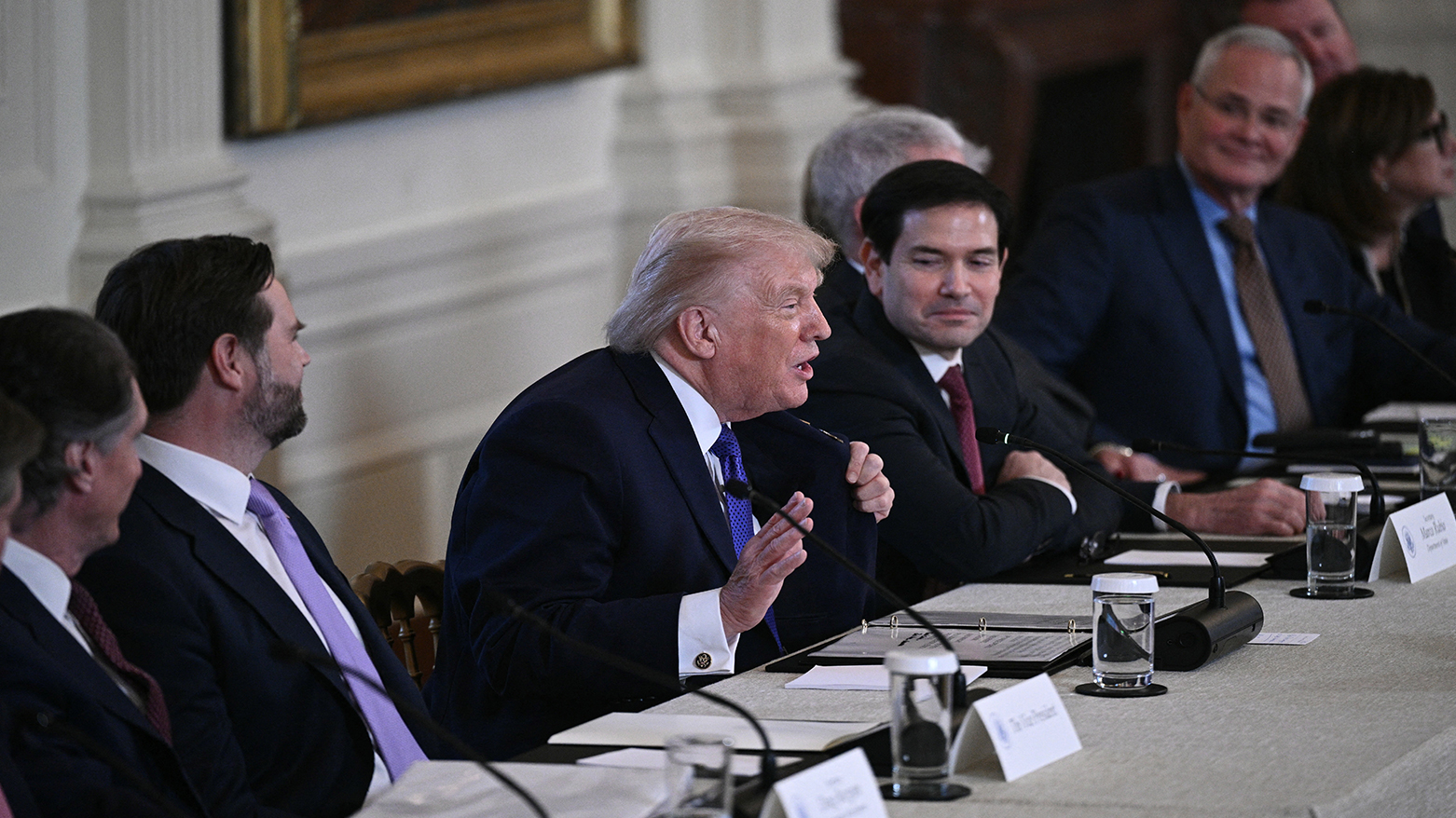
The White House move was announced on the same day that Trump hosted executives from major U.S. oil companies in Washington, urging them to invest in Venezuela’s dilapidated energy infrastructure.
ERBIL (Kurdistan24) — U.S. President Donald Trump has signed a sweeping executive order to safeguard revenue from Venezuelan oil held in U.S. Treasury accounts, as part of a broader effort to consolidate American strategic influence in post‑Maduro Venezuela and promote stability in the Western Hemisphere.
In an order signed on Friday, Trump invoked national emergency powers to protect funds derived from Venezuelan crude sales from attachment by courts or creditors. The measure is intended to ensure that these revenues — held in U.S. custody — are preserved to support Washington’s foreign policy objectives toward Venezuela.
The funds are blocked from any judicial process that might undermine U.S. leverage or impede political and economic stabilization efforts.
“President Trump is preventing the seizure of Venezuelan oil revenue that could undermine critical U.S. efforts to ensure economic and political stability in Venezuela,” the White House said, emphasizing the need to maintain control over assets critical to wider regional security ambitions.
The executive order comes amid a dramatic shift in U.S.–Venezuela relations following U.S. military action earlier this month that resulted in the capture of Venezuelan President Nicolás Maduro.
Trump’s administration has singled out Venezuela’s oil reserves — estimated to account for nearly a fifth of global proven crude resources — as a key strategic prize in its broader agenda to reduce domestic fuel prices, counter hostile foreign influences, and reassert U.S. leadership in Latin America.
The White House move was announced on the same day that Trump hosted executives from major U.S. oil companies in Washington, urging them to invest in Venezuela’s dilapidated energy infrastructure.
Trump outlined proposals for as much as $100 billion in private investment to rehabilitate oil production and export capacity, although industry responses were mixed. ExxonMobil’s chief executive described Venezuela as “uninvestable” without sweeping legal and regulatory reforms, underscoring deep concerns about risk and past nationalizations.
Chevron — currently the only U.S. oil firm licensed to operate in Venezuela — signaled openness to expanding production, with projections suggesting potential growth in output over the next two years under the right conditions.
Venezuela’s oil industry has been crippled by years of underinvestment, sanctions, and management dysfunction, with output falling to a fraction of its historic highs. Once a major supplier to the United States, the country in 2024 accounted for only about 1 percent of global crude production.
The national emergency declaration specifically protects what are known as Foreign Government Deposit Funds — including revenue from crude sales and related diluent transactions — from legal claims.
Trump’s directive prohibits such funds from being frozen, garnished, or subjected to judicial judgment, to prevent third parties from diminishing Washington’s ability to leverage those assets in diplomatic and reconstruction efforts.
Administration officials framed the historic order as a necessary step not only to stabilize Venezuela’s economy but also to safeguard U.S. national security by curbing illegal immigration, disrupting narcotics flows, and countering what they describe as malign foreign influence in the region.
Follow‑on actions by the Trump administration include naval interdictions of sanctioned oil tankers linked to Venezuelan exports and expanded sanctioning of criminal networks, measures that together signal an assertive strategy aimed at reshaping Caracas’s economic foundations in line with U.S. interests.
The executive order has drawn attention from legal experts and diplomats who question its implications for international law and sovereign asset protections, especially given ongoing disputes over nationalization claims by companies such as Exxon and ConocoPhillips from earlier decades. Those firms have been engaged in long‑running efforts to recoup billions of dollars in alleged losses tied to Venezuelan expropriations.
As the Trump administration advances its Venezuela policy, the interplay between diplomatic objectives, energy market dynamics, and geopolitical competition is likely to shape U.S. relations with Latin America and global oil markets throughout 2026 and beyond.