Iraq’s SOMO Denies Receiving U.S. Sanction Warnings
Iraq’s SOMO affirmed its full operational transparency and international compliance, stressing the security and monitoring of the country’s petroleum exports.
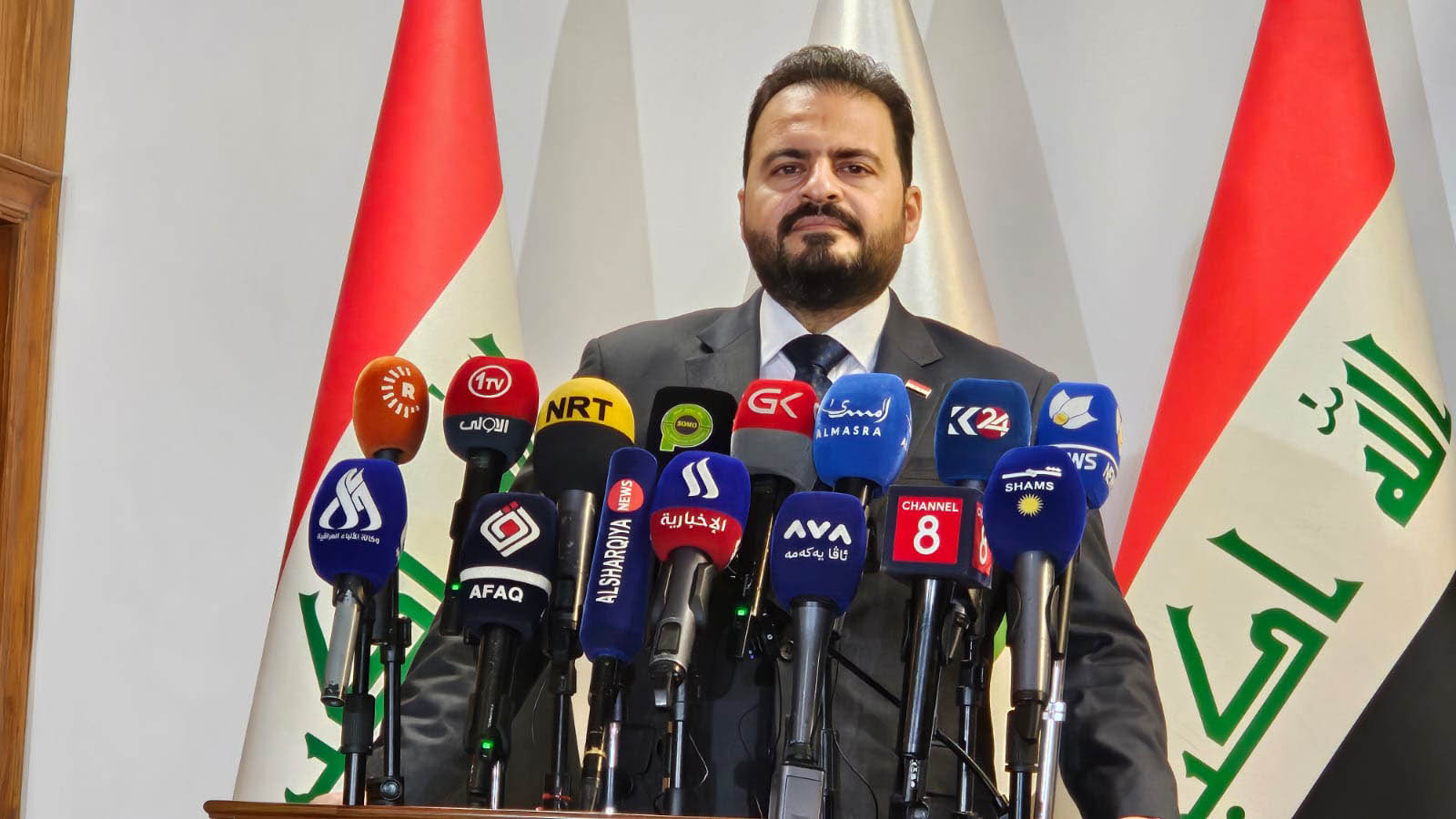
ERBIL (Kurdistan24) - Iraq’s State Organization for Marketing of Oil (SOMO) denied receiving any official warnings or notifications from the United States regarding sanctions, stressing the integrity of its oil export procedures and ongoing compliance with international standards.
Ali Nizar Shatari, Director General of SOMO, told the official Iraqi News Agency (INA) that the organization “has received no official document regarding the existence or imposition of sanctions by the United States. We rely on official documents and records, not rumors.” He emphasized that SOMO’s interactions with the U.S. Department of the Treasury have focused on confirming the robustness of its export control measures and record-keeping.
Shatari outlined the steps SOMO has taken to monitor and regulate oil shipments, noting that strict control measures are applied to all tankers entering Iraq. “Detailed daily reports on the types and directions of tankers are published in coordination with security authorities,” he said. “These measures provide full assurance in protecting the ‘lifeline’ of the country’s budget.”
The Director General highlighted Iraq’s growing role as a major exporter of petroleum products. Revenue from these exports, he said, is approaching parity with income from crude oil, reinforcing the need to safeguard the sector. “We place great importance on protecting this economic sector,” Shatari added.
The statements come amid heightened tensions between Baghdad and Washington. The United States has expressed strong opposition to the re-nomination of Nouri al-Maliki by the Coordination Framework as Iraq’s prime minister. In response, Washington has reportedly threatened economic measures against Iraq, including the potential imposition of financial sanctions targeting SOMO, which could disrupt the country’s principal source of revenue.
According to INA, SOMO’s denial of receiving warnings is intended to reassure both domestic and international stakeholders that Iraq’s oil export operations remain secure and transparent. The organization underscored that all procedures comply with global standards and are documented in official records, reinforcing confidence among trading partners.
The agency noted that Iraq has expanded its petroleum product exports, a development that has bolstered national revenues and reduced dependence on crude oil income. SOMO’s oversight of tanker movements and publication of daily operational reports are designed to ensure accountability and prevent potential irregularities in the supply chain.
Shatari’s remarks also addressed the broader geopolitical context affecting Iraq’s oil sector. The United States has linked its opposition to Maliki’s nomination with potential economic measures, citing concerns over governance and policy direction. Despite these signals, SOMO maintains that no formal sanctions or official communications have been received, and that all procedures remain in compliance with international trade and security standards.
The company’s assurances are part of Iraq’s broader effort to maintain stability in its energy sector, which constitutes a central pillar of the national economy. Officials emphasized that SOMO’s internal control systems, coupled with coordination with security authorities, provide comprehensive monitoring of all export activity, including tanker movements, cargo content, and routing.
Industry observers have noted that Iraq’s diversification into petroleum product exports has become increasingly significant. Revenue from refined products, including diesel, gasoline, and other derivatives, now approaches levels previously obtained solely from crude oil exports. SOMO’s management of these flows, the agency said, is critical for sustaining government budgets and funding essential services.
Shatari’s statement reaffirmed the organization’s commitment to transparency and compliance, highlighting the importance of international confidence in Iraq’s oil sector. “All our understandings and discussions, particularly with the U.S. Department of the Treasury, emphasize the robustness of the procedures and documentation implemented by SOMO,” he said.
The director general also stressed that Iraq’s oil sector, including the recent growth in petroleum product exports, represents a strategic economic asset. The measures taken by SOMO are intended to safeguard this revenue stream from any potential disruption, ensuring that the government retains control over one of its primary financial lifelines.
SOMO has consistently published operational reports and maintained detailed records of tanker movements and exports, according to INA. These measures are aimed at providing transparency to domestic and international observers, and to reinforce confidence in Iraq’s oil export system.
While U.S. officials have indicated potential sanctions as a response to political developments in Baghdad, SOMO reiterated that it has received no formal notice and continues to operate in accordance with established international procedures.
Iraq’s State Organization for Marketing of Oil maintains that its oil export controls are robust and transparent, and that it has received no official warning or notification from the United States regarding sanctions or other punitive measures.