KRG Sends Fuel Supplies to Western Kurdistan as Winter Assistance Continues
Prime Minister Masrour Barzani orders sustained humanitarian support through the Barzani Charity Foundation (BCF).
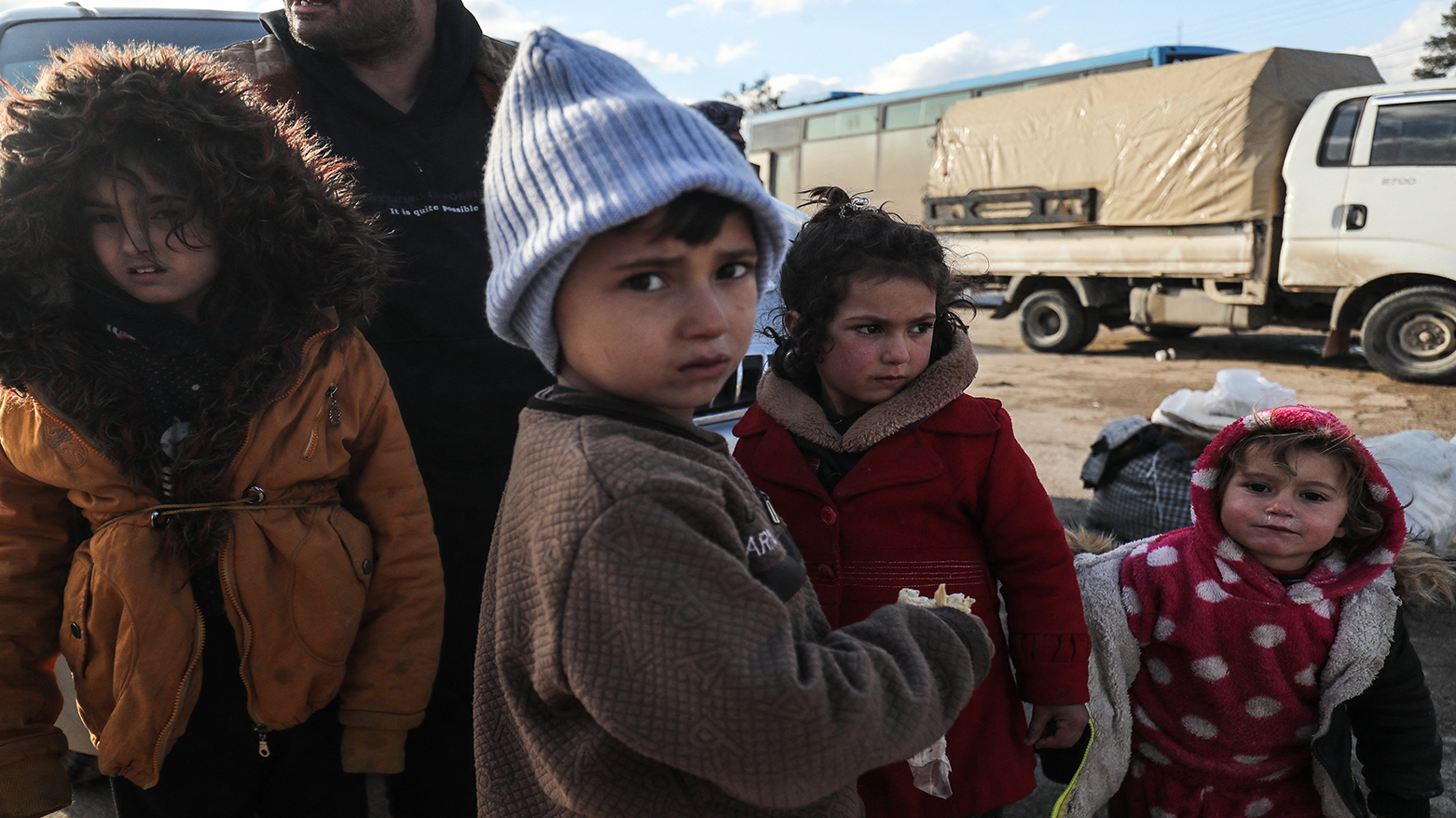
ERBIL (Kurdistan24) — Under the direction of Kurdistan Region Prime Minister Masrour Barzani, fuel supplies are being delivered to Western Kurdistan throughout the winter season as part of ongoing humanitarian support efforts.
In a statement issued on Thursday, Kurdistan Regional Government (KRG) spokesperson Peshawa Hawramani said the fuel shipments are being carried out through the Barzani Charity Foundation (BCF), in line with direct instructions from the prime minister.
“Based on the directive of Prime Minister Masrour Barzani, and through the Barzani Charity Foundation, the required quantities of fuel are being sent to Western Kurdistan,” Hawramani said.
He added that the fuel assistance will continue uninterrupted until the end of the winter season, underscoring the KRG’s commitment to supporting vulnerable communities during harsh weather conditions.
The announcement follows a major humanitarian effort launched earlier this week. On Wednesday, the BCF, acting on orders from President Masoud Barzani, dispatched the largest humanitarian aid convoy to Western Kurdistan to date.
The convoy consisted of 67 trucks carrying 22 types of essential daily supplies for civilians, in addition to food items and heating equipment needed to cope with winter conditions.
To ensure the effective distribution of the aid, more than 150 staff members from the BCF were also sent to Western Kurdistan in the northeastern part of Syria to oversee and manage the relief operation on the ground.
The KRG has repeatedly emphasized its commitment to humanitarian assistance for Kurdish and other vulnerable communities beyond the Kurdistan Region, particularly during periods of heightened need.
In parallel, diplomatic efforts to protect Kurds in Western Kurdistan are intensifying in Europe, as President Masoud Barzani engages in meetings in Italy with the Pope and other senior Italian officials, while Prime Minister Masrour Barzani uses his sidelines meetings at the World Economic Forum in Davos to rally international support.
Together, their engagements aim to safeguard Kurds in Western Kurdistan from violence and attacks by Syrian government forces, press for protection from militant threats linked to Damascus, and secure guarantees for the cultural and political rights of Kurds within the framework of a new and inclusive Syria.
The recent escalation in northeastern Syria has followed weeks of renewed clashes and military pressure by the Syrian Arab Army against predominantly Kurdish areas and positions held by the Kurdish-led Syrian Democratic Forces (SDF) fighters, known locally as Sharavan.
The confrontations have been concentrated around key towns and strategic corridors in Hasakah and parts of Raqqa and Deir ez-Zor provinces, where intermittent fighting, artillery exchanges, and security operations have disrupted already fragile stability.
Kurdish officials and local monitors say the violence has triggered fresh waves of displacement, with thousands of civilians fleeing frontline areas amid shortages of food, fuel, and medical supplies.
Humanitarian agencies have warned that the fighting has further strained overcrowded camps and weakened basic services, including electricity, water, and healthcare, in a region still grappling with the long-term impact of war, economic collapse, and the lingering threat posed by Islamic State cells.
Access constraints and insecurity have hampered aid delivery, raising concerns that the latest escalation could deepen an already severe humanitarian crisis affecting civilians across northeastern Syria.