Syrian Endowments Minister Credits President Barzani With Easing Syria Tensions
Official praises President Barzani's role in bridging Damascus–Kurdish dialogue, signals support for Kurdish rights.
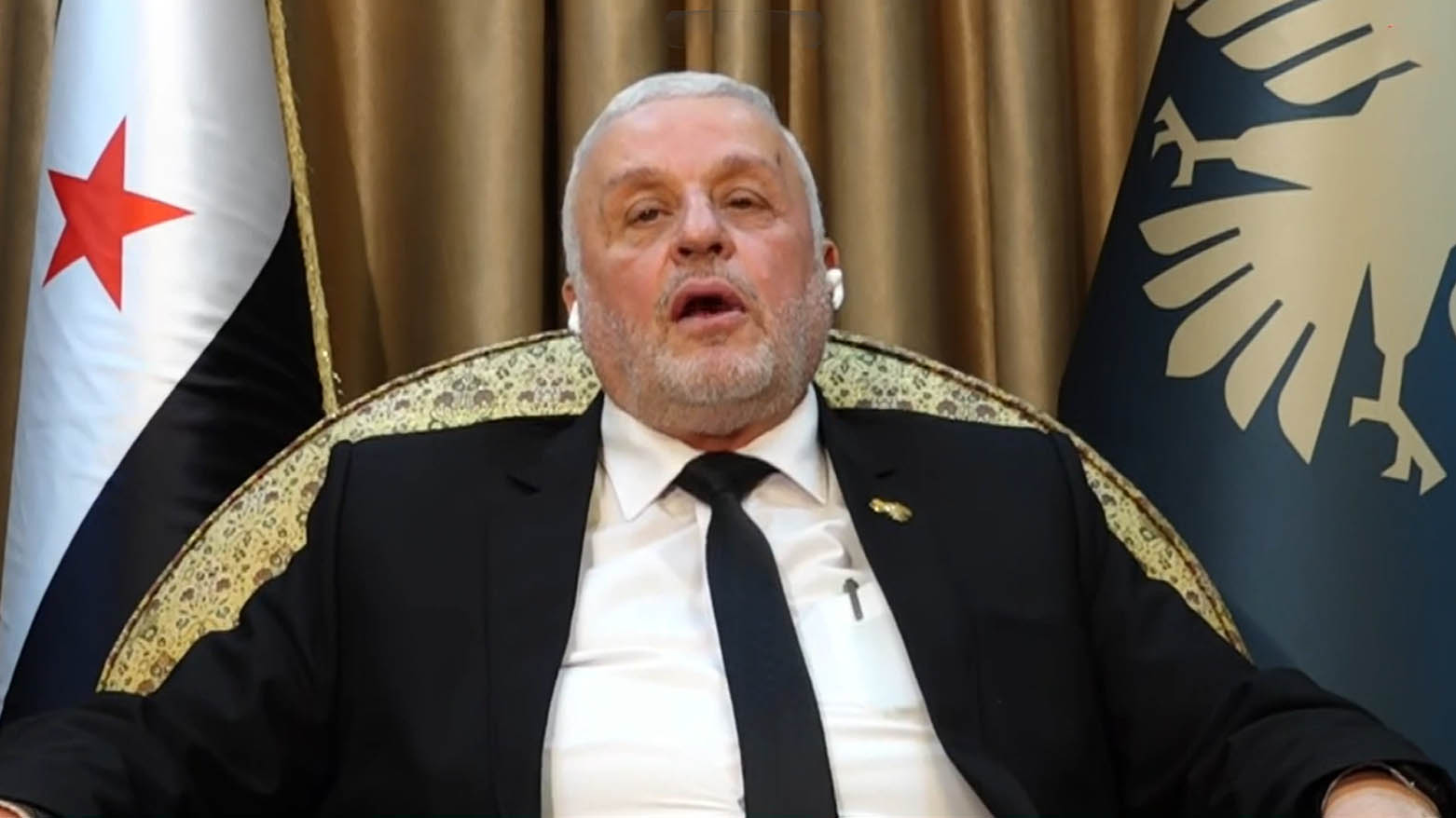
ERBIL (Kurdistan24) — Syrian Minister of Endowments Mohammad Abukheir Shukri said President Masoud Barzani has played an important role in helping ease tensions in Syria by bringing viewpoints closer between the government in Damascus and Kurdish parties in Western Kurdistan.
Speaking on Monday during an interview on Kurdistan24, Shukri expressed his appreciation for Barzani’s efforts in facilitating dialogue.
“I thank President Barzani for bringing perspectives and visions closer between the Damascus government and the Kurdish sides in Western Kurdistan,” he said.
The Syrian minister noted that the country’s current situation is gradually moving toward calm, stressing that Syria is made up of multiple components and diverse nationalities. He said recognizing this diversity is essential for stability and coexistence.
Shukri also addressed Kurdish representation and cultural rights, saying Kurds should be represented in the People’s Assembly and that respect for Kurds and their legitimate rights must be upheld.
“Kurds are a dignified people,” he said, adding that al-Hasakah province should be administered by Kurds.
He further noted that Nowruz has become a national occasion in Syria and said he has invited Kurdish intellectuals and scholars to Damascus, signaling what he described as a more inclusive approach toward Kurdish cultural and political participation.
The remarks come amid continued diplomatic engagement by President Barzani on regional Syrian issues. On Monday, Barzani held a phone call with Tom Barrack, the special envoy of US President Donald Trump for Syrian affairs, during which both sides underscored the importance of humanitarian assistance to Western Kurdistan, with particular emphasis on the city of Kobane.
According to a statement issued by the Barzani Headquarters, the call focused on the broader regional situation and the latest developments in Syria. Both sides stressed the importance of maintaining and protecting the existing ceasefire between the Syrian Democratic Forces (SDF) and Syrian government forces.
The statement also highlighted the critical need to ensure the uninterrupted delivery of humanitarian aid to Western Kurdistan, especially to Kobane, and reaffirmed the necessity of guaranteeing the continuity of such assistance amid ongoing regional challenges.
Separately, Barrack described the call as “productive” in a post on his X account, saying the two discussed “the situation in Syria and the importance of maintaining the ceasefire and ensuring humanitarian assistance to those in need, especially in Kobani.”
Barrack also addressed Iraq’s political landscape, reiterating Washington’s position. “On Iraq, the U.S. position remains clear: a government installed by Iran will not be successful, neither for Iraqi or Syrian aspirations for a brighter future, nor for an effective partnership with the United States,” he wrote.
The exchange underscores sustained engagement between Kurdish leadership and US officials on humanitarian, security, and political issues shaping Syria, Iraq, and the wider region, alongside growing emphasis on dialogue and de-escalation.