Violence and mass escape reported at al-Hol camp following Syrian military takeover
Dozens of ISIS-linked families flee the al-Hol camp in northeastern Syria, amid the security vacuum and unrest.
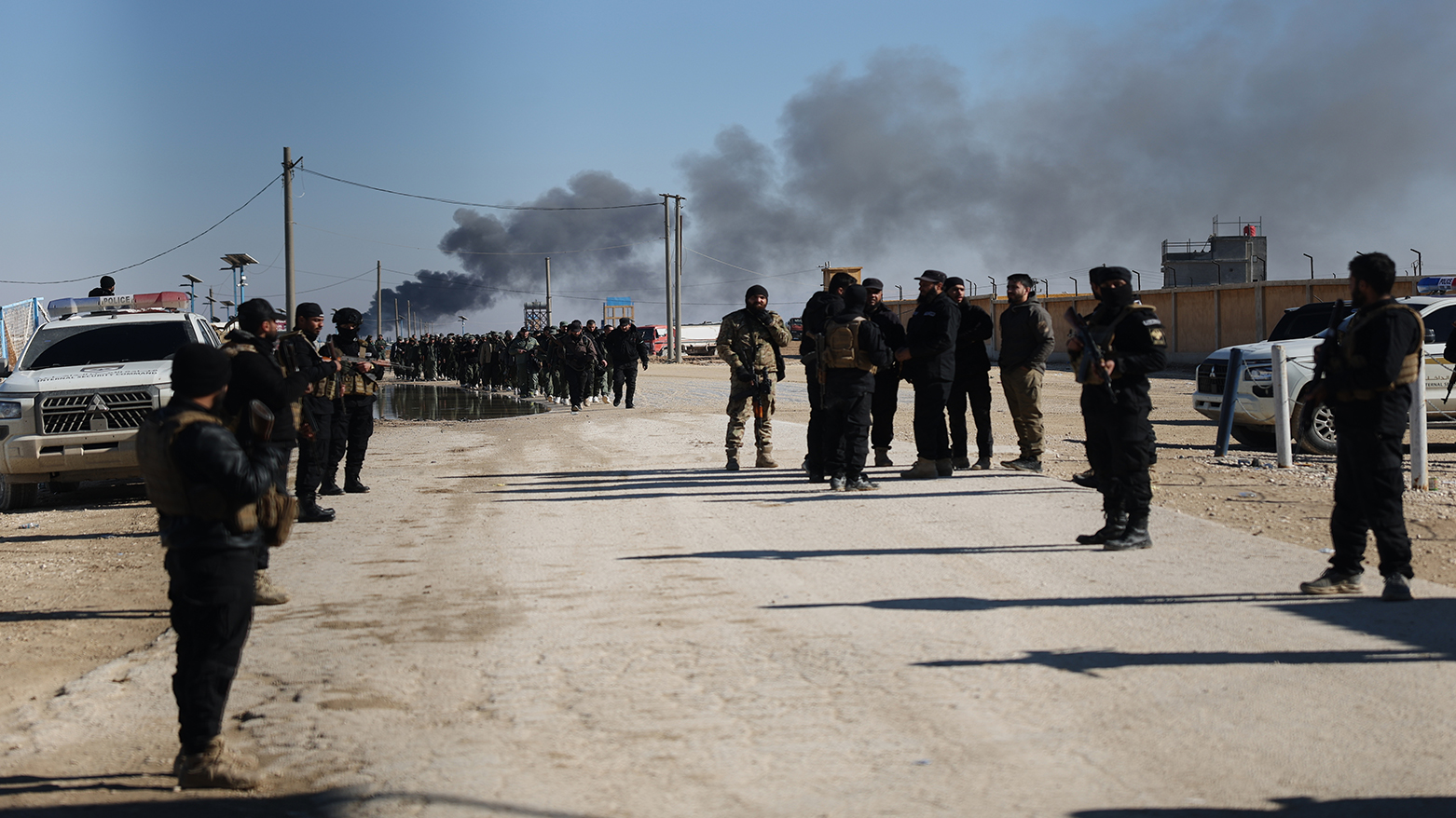
ERBIL (Kurdistan24) — Violence and a mass escape were reported at al-Hol camp in the West of Kurdistan, northeastern Syria, following the Syrian Arab Army's recent military attacks, raising serious security concerns, activists said on Tuesday.
The Syrian Observatory for Human Rights (SOHR) said that late Monday night, dozens of men, women, and children from families of ISIS militants escaped from al-Hol camp in Hasakah province.
The incident followed an attack by ISIS-linked families on guards from the Syrian Ministry of Interior Forces, according to the monitoring group.
Sources said the ministry's security forces attempted to contain the attack and prevent the escape, but a significant number of families managed to breach security measures and flee the camp to an unknown destination.
The developments have triggered heightened tensions inside the camp and widespread fear among residents of surrounding areas over the potential spread of escaped individuals.
Activists attributed the incident to a growing security vacuum at the camp after shifts in control and the deployment of Syrian government forces in the area, starting Jan. 21. They warned that the lack of clear security coordination has undermined stability at al-Hol, creating conditions that enabled the escape.
Al-Hol camp has long been considered one of the most sensitive security hotspots in Syria, housing tens of thousands of people, many of them relatives of ISIS fighters. Repeated warnings by rights groups have highlighted the risks posed by instability at the camp, particularly amid changes in authority.
The incident at al-Hol comes amid major shifts in how Islamic State (ISIS) detainees are being handled in Syria and the wider region. The United States has begun transferring thousands of alleged ISIS fighters previously held by Kurdish-led Syrian Democratic Forces (SDF) to neighboring Iraq, citing growing security risks and political changes on the ground.
The US military confirmed this week that it had transferred 150 senior ISIS detainees from prisons in Syria’s Hasakeh province to a secure facility in Iraq. Officials say up to 7,000 detainees could eventually be moved under the arrangement, though no timetable has been announced.
The detainees include Iraqis and foreign nationals from Europe, Asia, and Africa, many described by Iraqi security officials as senior commanders involved in ISIS operations during the group’s 2014–2017 reign of terror.
Washington says the transfers are aimed at preventing mass jailbreaks that could threaten regional and international security, particularly as Kurdish forces relinquish territory under pressure from Damascus.
The SDF had detained around 12,000 suspected ISIS fighters and tens of thousands of their relatives after defeating the group territorially in 2019, but recent military and political developments have weakened its ability to secure prisons and camps.
Al-Hol camp, which houses roughly 23,000 people—mostly relatives of ISIS suspects—has been a particular point of concern. Kurdish forces withdrew from the camp earlier this week, after which Syrian government troops entered the site.
UN agencies said aid deliveries were temporarily disrupted during the handover, and rights groups warned of a security vacuum that could facilitate escapes. Aid workers later reported that an unspecified number of residents fled during the transition period.
Analysts have cautioned that ISIS cells could exploit instability in northeastern Syria to free detainees, especially amid ongoing negotiations between Kurdish authorities and Damascus. While the Syrian government has said it is prepared to assume responsibility for prisons and camps, observers warn that coordination gaps and lingering insurgent networks pose serious risks.
Iraq, where the transferred detainees are now being held, has pledged to prosecute all suspects under its counterterrorism laws. Iraqi courts have previously issued hundreds of death sentences and life terms in terrorism cases, including against foreign fighters captured in Syria.
Human rights groups, including Amnesty International, have urged Baghdad to ensure fair trials and avoid the use of the death penalty.
The developments unfold as the United States winds down its partnership with the SDF and as Syria’s new authorities seek to reassert control nationwide. A fragile ceasefire between Kurdish forces and Damascus is set to expire soon, adding to concerns that further instability could worsen conditions in camps like al-Hol and heighten the risk of renewed ISIS activity.