Rights Groups Reported Civilian Massacres in Rojava Despite Stated Ceasefire
Human rights monitors and the SDF report that Syrian government forces and affiliated groups have committed massacres near Kobani during the ceasefire. UN and UK officials urge parties to respect aid corridors.
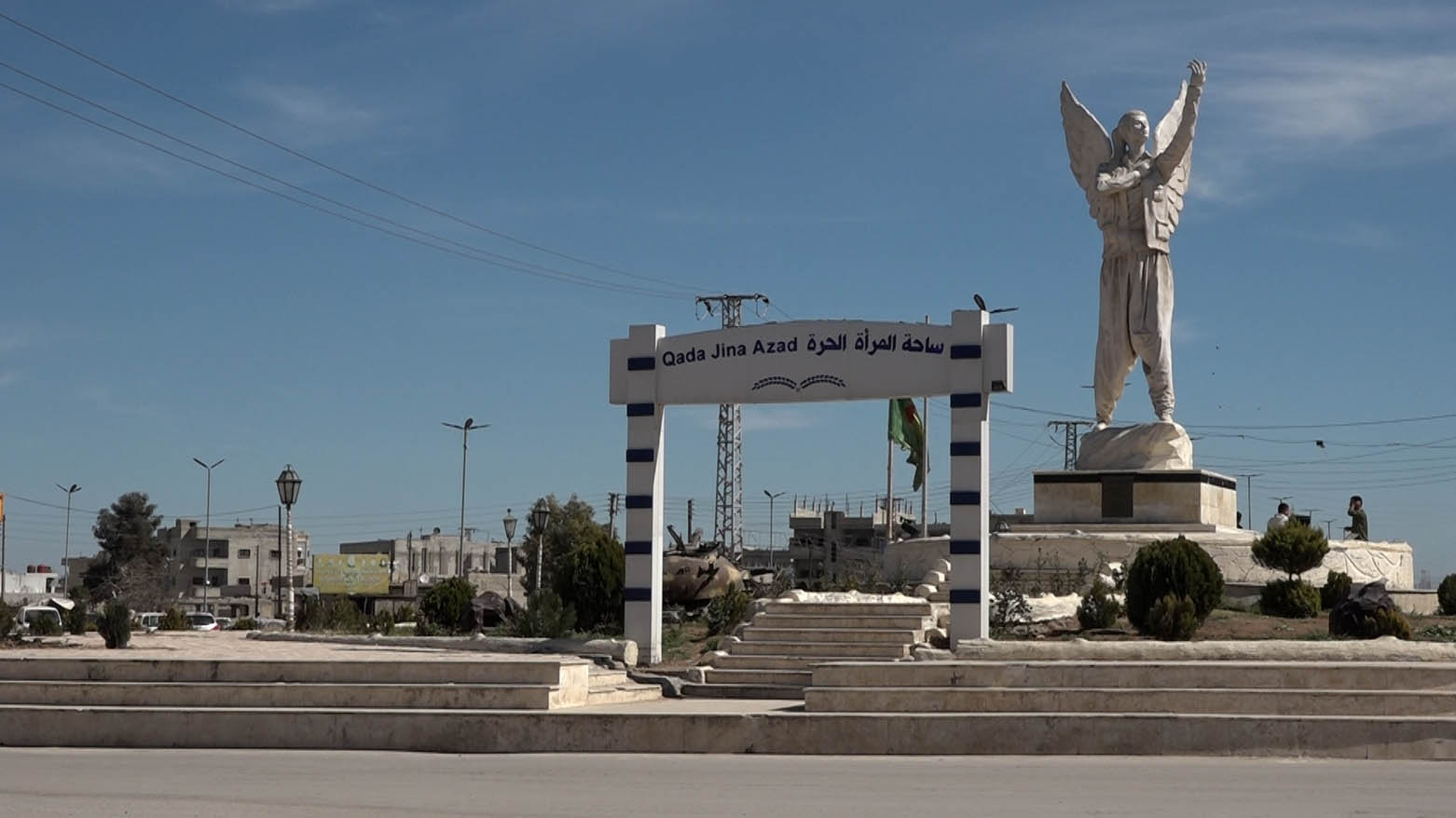
ERBIL (Kurdistan24) - A coalition of five prominent human rights organizations on Monday issued an urgent statement alleging that Syrian Arab Army units have committed systematic massacres against civilians in villages surrounding the city of Kobani over the past 24 hours.
The reported atrocities occurred despite the formal announcement of a regional ceasefire, representing what monitors described as a dangerous contempt for international legal obligations during a volatile phase of the Syrian conflict.
The Kurdish Network for Human Rights in Syria, in partnership with the MAF Organization, the "Rasid" Kurdish Committee, the Rwanga Observatory, and the DAD Organization, reported that Damascus-affiliated forces launched a series of assaults on the villages of Kharab Ashk, Shahrabaniya, and Qasimiya.
According to the coalition’s findings, government-aligned groups utilized heavy and medium weaponry to open indiscriminate fire on residential areas and conducted systematic home raids.
The human rights organizations disclosed the identities of several victims killed in the attacks, confirming that all were civilians, including a significant number of women and children.
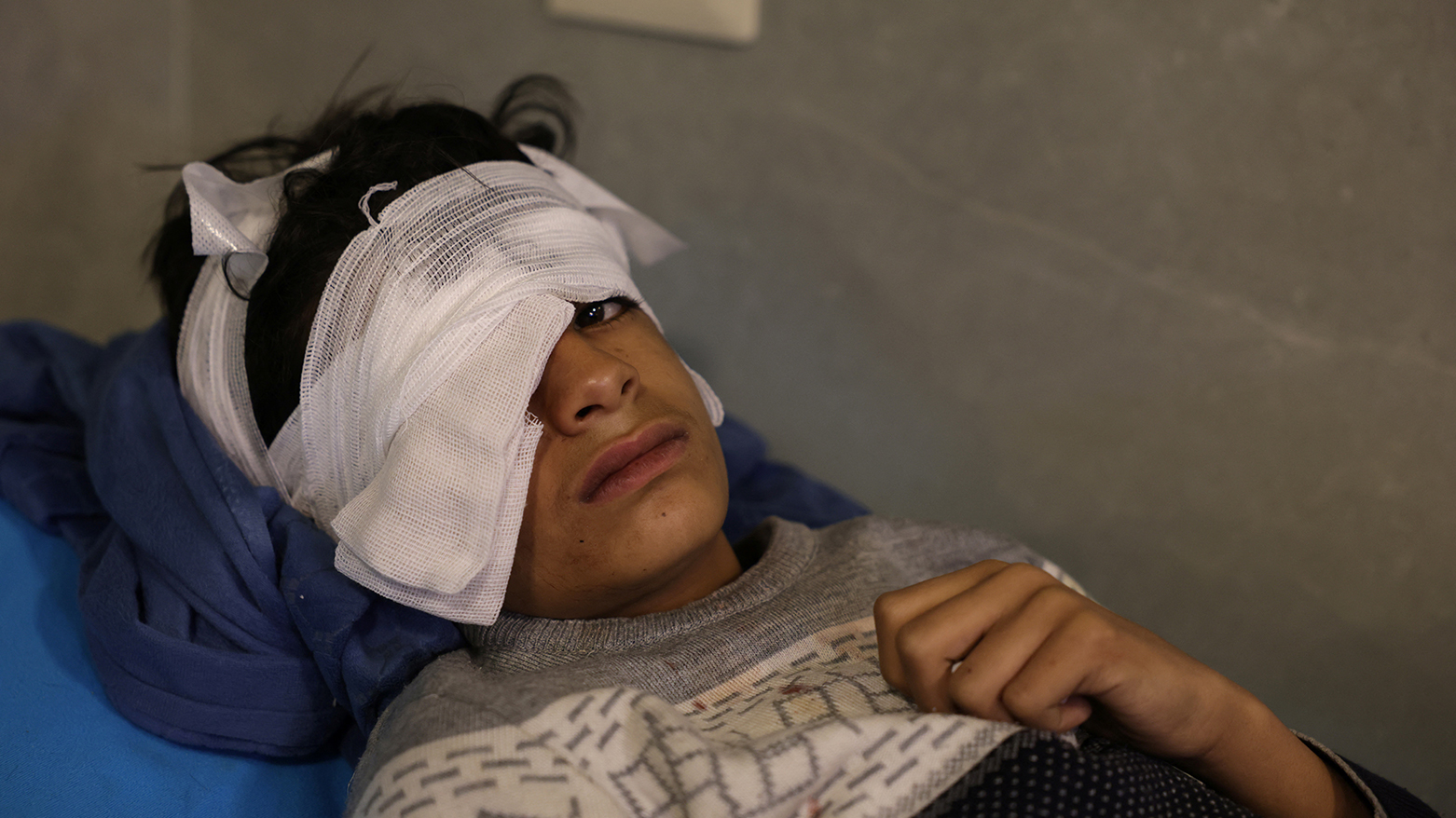
The identified deceased include Fatima Osman, Jamila Ahmad Osman, Solaf Rasho Bozan, and Salwa Mahmoud.
Among the children identified as victims of the violence were Jafar Mohammad Sheikh Bozan, five-year-old Ibrahim Ahmad Alawi, eight-year-old Sabrin Ahmad Alawi, ten-year-old Mohammad Ahmad Alawi, fourteen-year-old Judi Ahmad Alawi, and the young daughter of Mohammad Sheikh Bozan.
In their joint communiqué, the organizations emphasized that these actions constitute war crimes under international law. They issued a formal call for the immediate establishment of an independent international investigation committee to document the killings and pursue the prosecution of those responsible.
The coalition also demanded an immediate cessation of all military activity in the Kobani countryside to allow emergency medical teams to access the wounded.
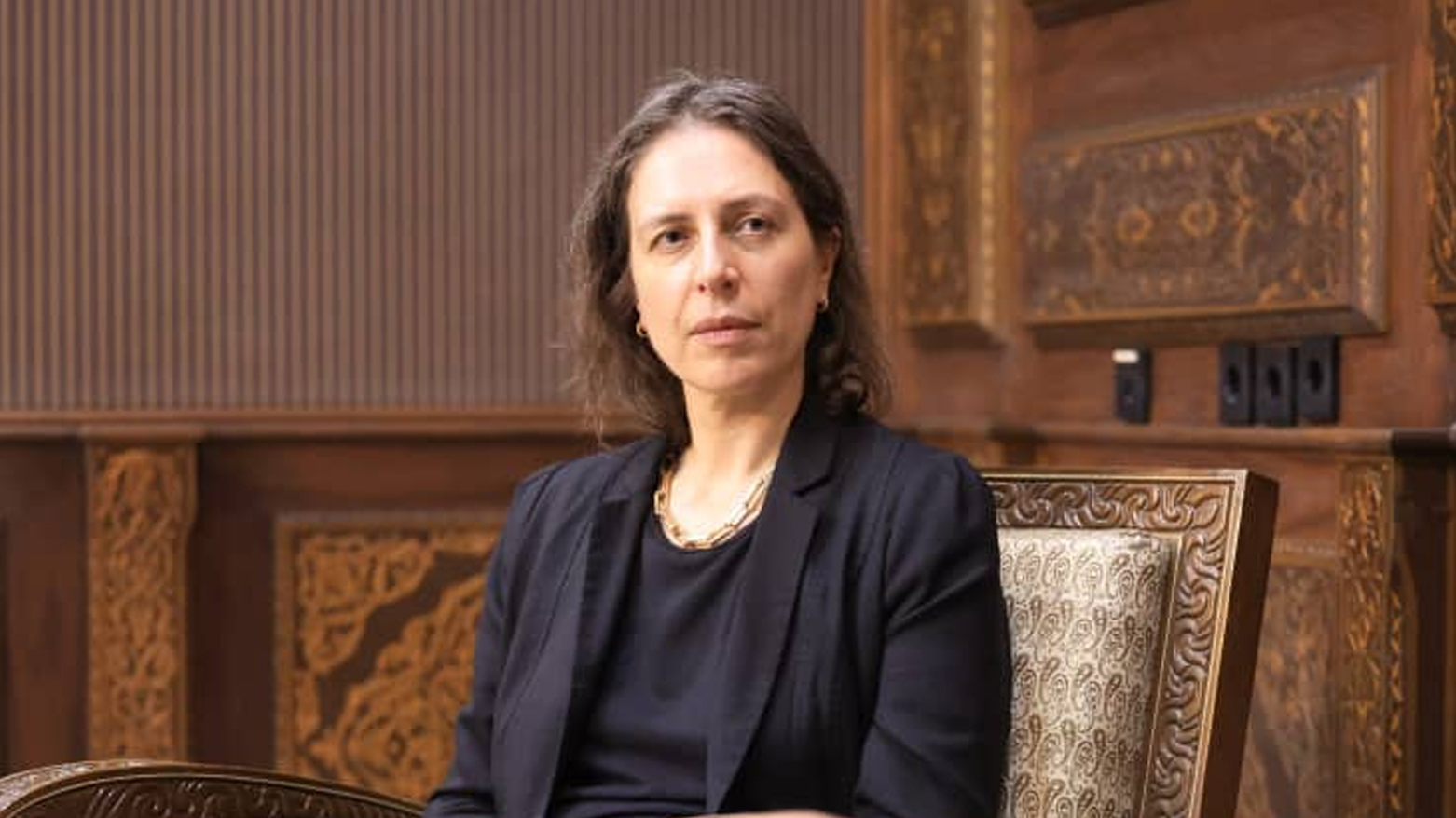
The reported violence has complicated international efforts to stabilize the region through humanitarian aid. Ann Snow, the United Kingdom’s Special Representative for Syria, expressed her government’s support on Monday for the opening of humanitarian corridors into both Kobani and Hasakah.
In a message posted on the social media platform X, Snow described the arrival of emergency relief as a vital step, while confirming that British aid has successfully reached its intended destinations.
However, the British representative warned that the security environment remains under a serious and dangerous threat.
"The situation remains dire. We urge all parties to implement & respect them - this is critical to ensuring aid reaches those in need and civilians are able to leave," she wrote.
Snow issued an urgent appeal to all warring parties to respect the integrity of the humanitarian corridors, emphasizing that keeping these routes open is essential for both the delivery of aid and the safe evacuation of civilians from active conflict zones.
The opening of these corridors followed weeks of intense international pressure as humanitarian agencies warned of a looming catastrophe due to military blockades.
Reports from Kurdistan24’s correspondent Dilan Barzan in Qamishlo further underscored the discrepancy between official ceasefire declarations and the reality on the ground. Despite the truce, the Syrian Arab Army reportedly intensified its operations in both Kobani and the outskirts of Hasakah on Monday.
Armed groups affiliated with the Damascus government attempted to advance into Hasakah through various villages, leading to direct confrontations with local defenders.
According to field reports, the Syrian Democratic Forces (SDF) repelled these advances and successfully ambushed a large contingent of Syrian government troops, resulting in a significant number of casualties among the attacking forces. Observations from the ground suggested that the failure of the Syrian Arab Army to adhere to the ceasefire may be a result of its own internal fragmentation.
Correspondent reports indicated that the army currently consists of unorganized and disparate groups of gunmen, including individuals identified in video footage as former militants of the Al-Nusra Front and ISIS. This lack of a unified command structure has reportedly led to a scenario where various factions ignore central directives regarding the cessation of hostilities.
The human cost of this military instability was highlighted in a report by the CPT organization, which documented a tragic incident involving a Kurdish family of ten attempting to flee the violence.
The family, seeking refuge while moving from Deir ez-Zor to a safer area, fell into an ambush conducted by the Syrian Arab Army. According to the CPT, the army opened fire on the vehicle, resulting in what the organization termed a massacre. Five members of the family were killed instantly, while the remaining five sustained serious wounds.
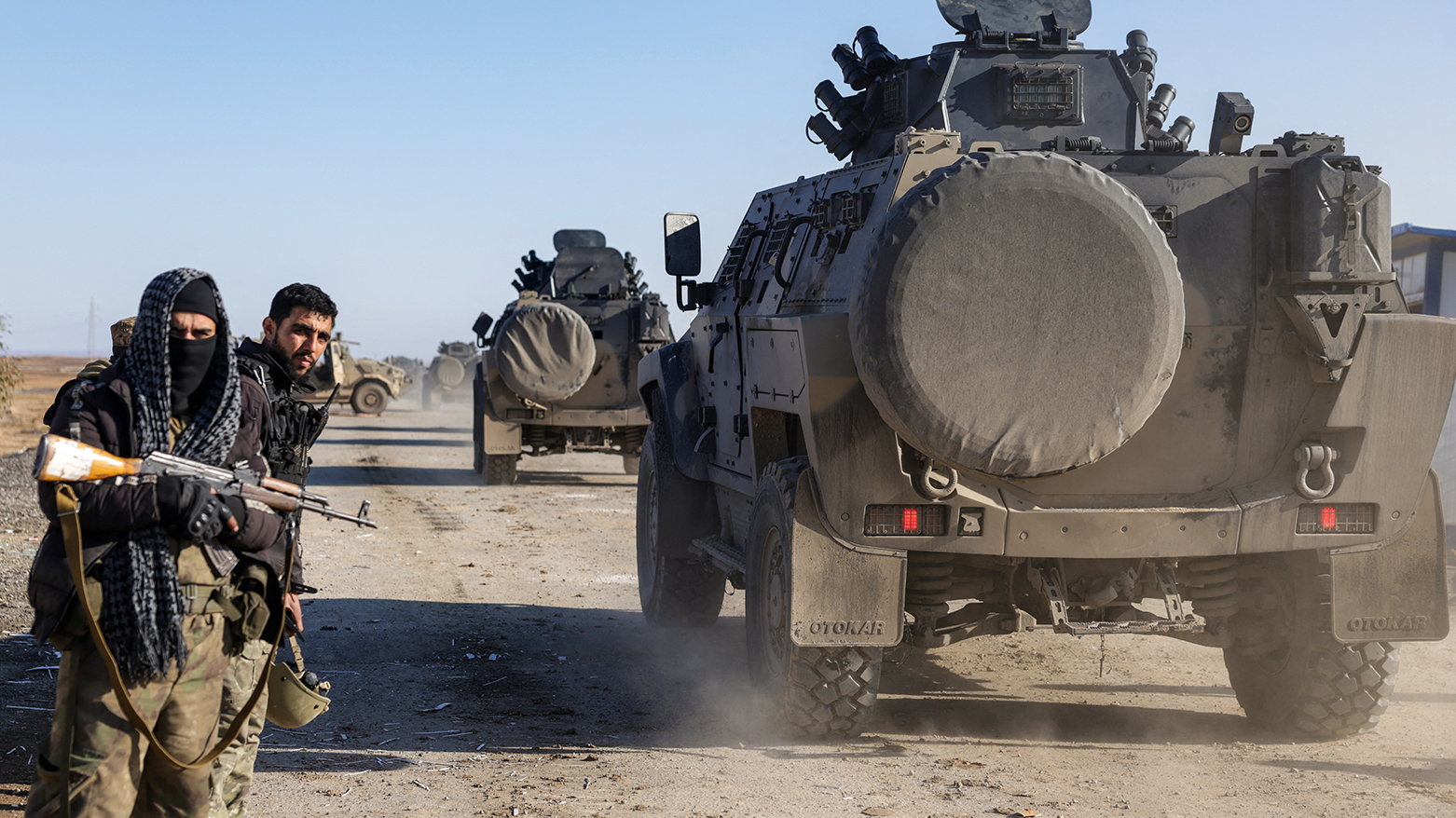
Adding to the complexity of the battlefield, the SDF Media Center alleged on Monday that Turkish-manufactured military technology is being utilized to support government-affiliated groups. Farhad Shami, the head of the Media Center, stated that, "Turkish Bayraktar drones have provided aerial support to the attacks carried out by Damascus-affiliated factions on the villages of Chalabiya, Kharab Ishk, and Zarik southeast of Kobani, carrying out intensive bombardment targeting the aforementioned villages."
Shami also noted that, "The shelling is still ongoing at the time of writing. On the Korik village axis, our fighters have managed to repel the attacks launched by the attacking factions and thwart their attempts to advance, amid continued clashes in the area."
Elham Ahmad, the Co-Chair of the Department of Foreign Relations of the Autonomous Administration, dismissed the Syrian government’s ceasefire announcement as "only talk."
In a post on her official account, Ahmad asserted that the Damascus government has demonstrated no real commitment to de-escalation on the ground. She characterized the ongoing military operations in the Jazira region and the siege of Kobani as a massacre of the civilian population.
Ahmad warned that any attempts to initiate a political process in Syria would remain a "fantasy" as long as the protection of civilian lives is not prioritized.
She strongly criticized the international community for what she described as a moral failure to intervene effectively. "Silence in the face of the crimes being committed is a moral failure, and the international community is responsible for the situation currently taking place," she stated.

The city of Kobani and its surrounding countryside have been enduring a severe humanitarian crisis for an extended period. Systematic military sieges and persistent clashes have resulted in the total cutoff of essential services, leaving residents without access to electricity, drinking water, or communication networks.
The combination of targeted shelling, aerial drone strikes, and the obstruction of humanitarian access continues to place thousands of non-combatants at extreme risk despite the formal diplomatic efforts intended to secure their safety.