Iraq Begins Investigations into 1,387 ISIS Detainees Transferred from Syria
Judiciary moves to process high-profile suspects under counterterrorism supervision amid regional security concerns.
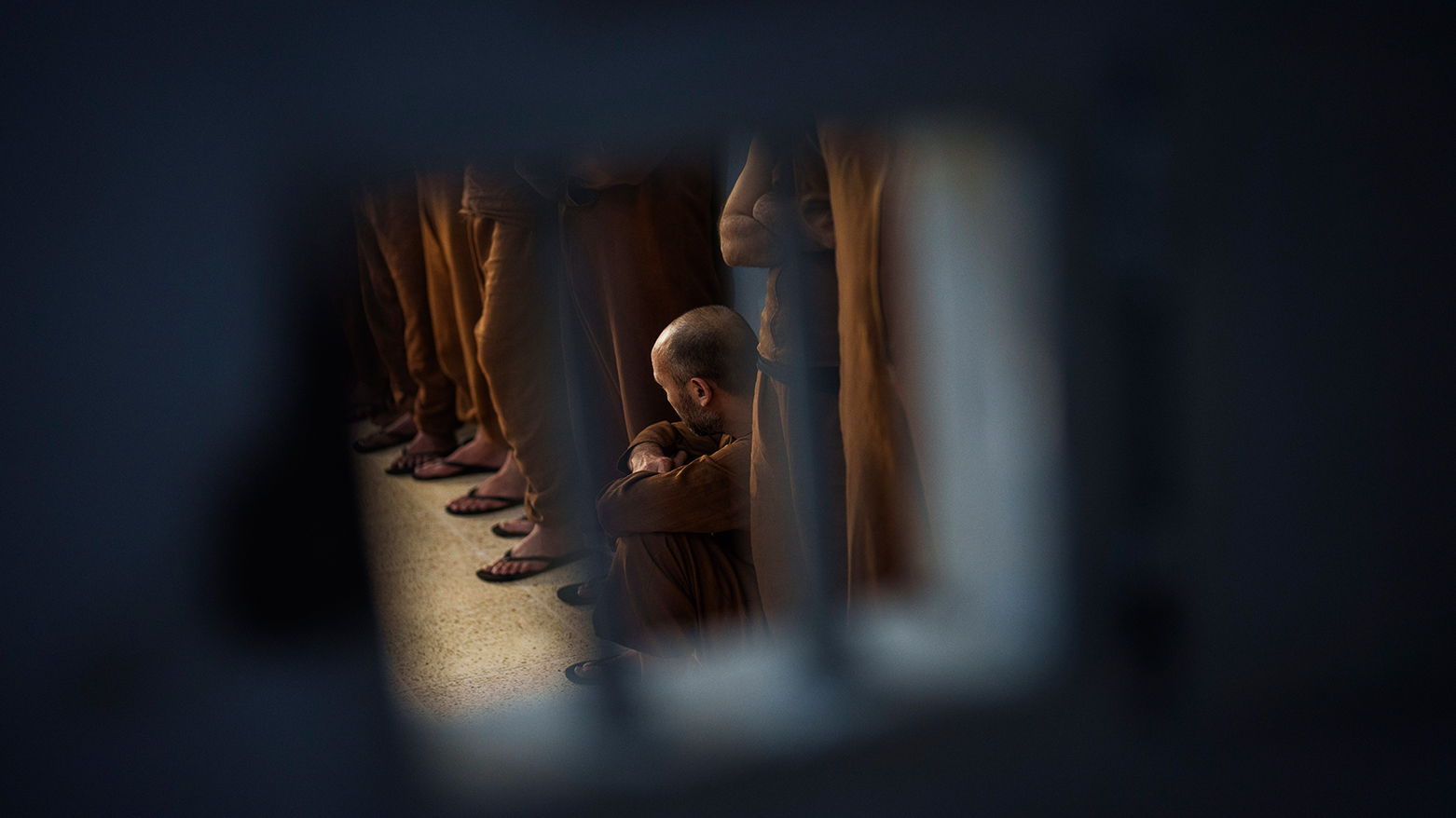
ERBIL (Kurdistan24) — Iraq’s judiciary announced on Monday that it has initiated investigations into 1,387 Islamic State (ISIS) detainees who were recently transferred from Syria as part of a U.S.-led operation. The detainees, held in Syria by Kurdish forces, are among approximately 7,000 ISIS suspects the U.S. said it would relocate to Iraq after Syrian government forces regained territory previously controlled by the Syrian Democratic Forces (SDF).
According to a statement from the judiciary’s media office, “Investigation proceedings have started with 1,387 members of the terrorist organization who were recently transferred from the Syrian territory.”
The office added that several judges specializing in counterterrorism, operating under the supervision of the head of Iraq’s Supreme Judicial Council, have begun the proceedings.
The detainees include Syrians, Iraqis, Europeans, and other nationalities, Iraqi security sources said. Many of the suspects were involved in ISIS’s 2014 offensive across Syria and Iraq, which left a trail of massacres, displacement, and sexual enslavement of women and girls.
Iraq, backed by U.S.-led coalition forces, declared the defeat of ISIS on its soil in 2017, while the Kurdish-led SDF pushed the group out of Syria by 2019. The SDF detained thousands of suspected jihadists and tens of thousands of their relatives in camps across northern Syria.
The U.S. recently stated that its alliance with the SDF in Syria has largely served its purpose, amid a renewed Syrian government offensive to reclaim territory formerly under Kurdish control.
Iraq’s prisons, already crowded with ISIS suspects, have seen courts issue hundreds of death sentences and life terms for terrorism convictions, including for foreign fighters.
The judiciary emphasized that the investigation procedures for the newly transferred detainees “will comply with national laws and international standards,” reflecting Baghdad’s efforts to manage a complex security and legal challenge while addressing both domestic and international expectations.
The transfer of ISIS detainees from Syria to Iraq has revived long-standing debates over the fate of foreign fighters, particularly European nationals held in detention facilities. Thousands of foreign ISIS members, along with their families, have been detained in northeast Syria since the group’s territorial defeat in 2019, as countries of origin have largely refused to take responsibility for their prosecution or repatriation.
Iraq and the United States, along with Kurdish authorities in West of Kurdistan, in northeastern Syria, have repeatedly urged European governments to repatriate their ISIS citizens to face justice at home, arguing that prolonged detention in Syria poses security, legal, and humanitarian risks.
While a small number of countries have repatriated limited groups—mostly women and children—many European states continue to resist large-scale returns, citing legal, security, and political challenges, leaving Iraq increasingly burdened with prosecuting foreign fighters transferred from Syrian custody.