Hezbollah Claims Rocket Attack on Israeli Soldiers in Northern Israel
Hezbollah said its fighters targeted Israeli troops in Misgav Am, northern Israel, on Sunday, killing one—the first Israeli fatality from Lebanese fire since March 2. The attack comes amid the ongoing U.S.-Israel-Iran war and heightened tensions around the Strait of Hormuz.
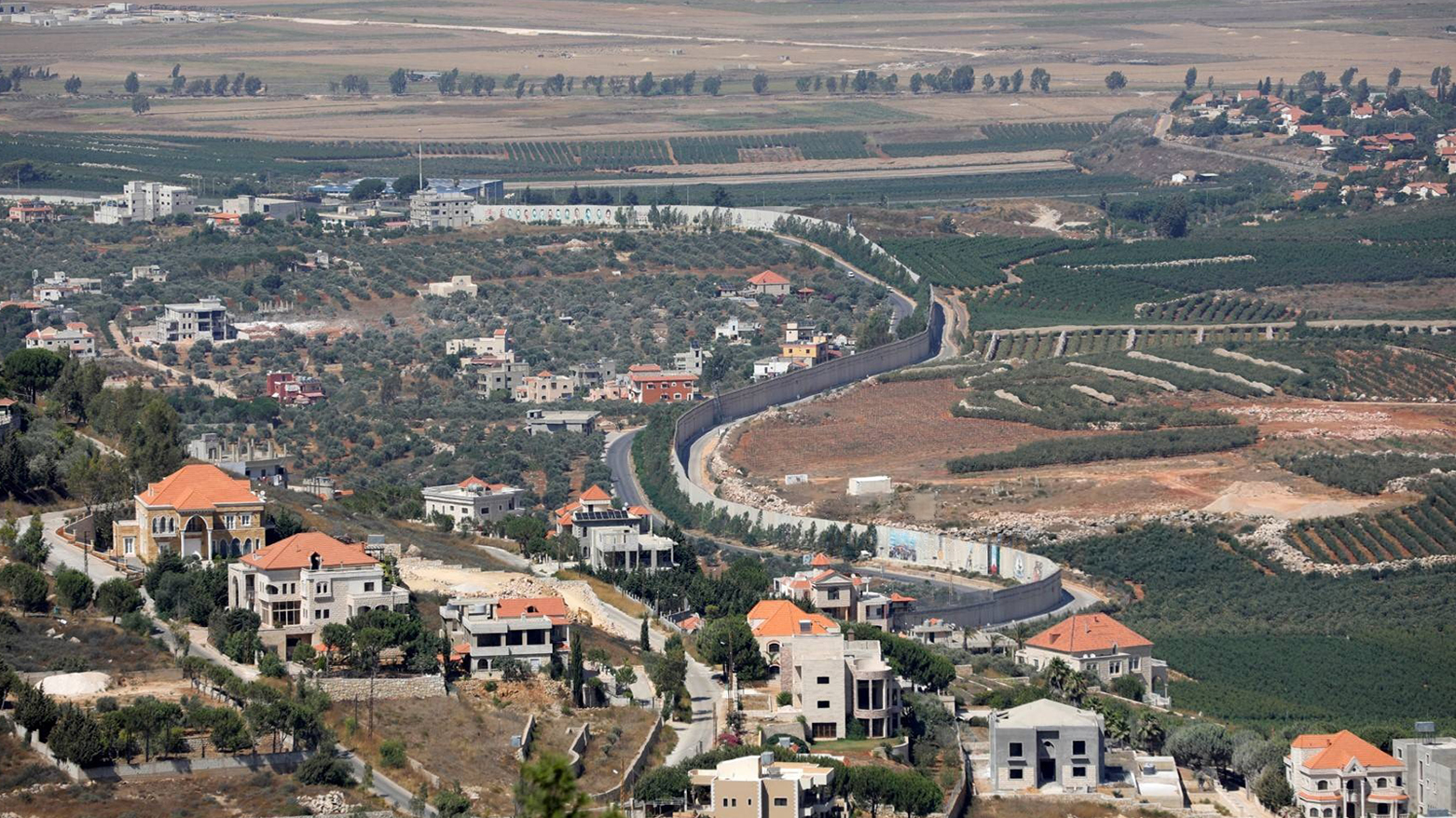
ERBIL (Kurdistan24) - Lebanon’s Iran-backed Hezbollah militant group said it attacked Israeli soldiers in northern Israel’s Misgav Am on Sunday, where first responders said rocket fire from Lebanon killed one person.
In a statement, the group said its fighters targeted “a gathering of Israeli enemy soldiers” in Misgav Am “with a rocket barrage” — one of a series of attacks it claimed against Israeli troops in northern Israel and southern Lebanon on Sunday.
The death is the first Israeli fatality from fire from Lebanon since fighting started with Hezbollah on March 2.
The news agency AFP reported that the incident occurred amid renewed exchanges across the Israel-Lebanon border. First responders in the area confirmed the fatality resulted directly from the rocket fire originating from Lebanese territory.
Hezbollah’s statement detailed the targeting of what it described as a military gathering, according to the militant group’s own account. The organization listed the Misgav Am operation as part of multiple actions carried out on the same day.
The development marks a notable escalation in cross-border activity, coming more than three weeks after the initial outbreak of fighting between Israeli forces and Hezbollah on March 2.
The latest incident takes place against the backdrop of the joint U.S.-Israeli war against Iran that has been underway since February 28, 2026. Iran responded to the opening of that campaign with missile and drone attacks against Israel and U.S. bases, while also closing the Strait of Hormuz, actions that have produced notable effects on energy markets and the global economy.
U.S. President Donald Trump issued a 48-hour ultimatum to Iran on Saturday calling for the full reopening of the Strait of Hormuz without threat, warning that failure to comply would result in the destruction of Iran’s major energy stations, according to statements released through his Truth Social platform.
U.S. Central Command stated that the use of heavy bombs by American aircraft has weakened Iran’s capacity to threaten the Strait of Hormuz, a point highlighted in official military updates.
Israeli media outlet Israel Hayom reported that the United States is considering expanding the scope of the war to resolve the crisis in the Strait of Hormuz. The newspaper noted that even if the war were to stop at this moment, Iran would not return to its former state, and the United States will not decide to halt the conflict before achieving its objectives.
According to the newspaper’s information, preparations are being made for the upcoming stages of expanding the war. Israel Hayom explained that the next phase will involve striking new types of Iranian targets, which may include nuclear facilities and the country’s infrastructure. The publication revealed that the probability of the United States carrying out a ground offensive into Iranian territory is on the rise.
The broader conflict has also seen U.S. and Israeli airstrikes targeted nuclear facilities such as Natanz and several Iranian military bases and infrastructure, as detailed in multiple accounts of the campaign.
Iranian counter-attacks have caused damage in multiple areas of Israel, leaving more than 100 people wounded in those exchanges, according to reports from Israeli authorities.
Israeli Chief of the General Staff Eyal Zamir stated that Iran’s missile attack on the joint U.S.-British military base on Diego Garcia island demonstrates that important European capitals, including Berlin, have now fallen within the target circle and range of Iran’s missiles. Zamir noted that Iran tested a two-stage intercontinental ballistic missile with a range reaching 4,000 kilometers, striking an American target on Diego Garcia island.
Zamir emphasized that his country will continue the strategy of “striking the head of the snake” until security and stability return to the region. He declared that Israel operates according to a precise and robust plan, having previously attacked the interior of Iran, and is currently at the highest state of readiness to strengthen defenses on the northern front.
In his remarks, the senior Israeli official described Hezbollah as a terrorist organization and a primary proxy of the Iranian regime. Zamir said that as much as pressure increases on Iran and Tehran is weakened, Hezbollah will be weakened to that same extent.
The connection between the Iranian campaign and Hezbollah activity has been underscored by Israeli officials. The militant group’s operations along the northern border are viewed within the framework of Iran’s regional proxy network, as articulated in statements from the Israeli military leadership.
The fighting that began with Hezbollah on March 2 has remained limited until the latest reported fatality. The Sunday attack in Misgav Am represents the first confirmed Israeli death from Lebanese fire in that period.
First responders and local authorities in northern Israel confirmed the casualty details, aligning with the information released by AFP. The rocket barrage targeted a specific location where soldiers were gathered, according to Hezbollah’s claim.
Regional observers have noted that the timing of the Hezbollah operation coincides with intensified diplomatic and military considerations surrounding the Strait of Hormuz crisis. The waterway’s closure by Iran since the early days of the February 28 hostilities has remained a central point of contention.
Trump’s ultimatum, issued in response to ongoing restrictions on the strait, continues to shape the parameters of the conflict. The president’s warning of strikes on Iranian power plants if the waterway is not reopened has been reiterated in public statements.
Preparations for potential further expansion of U.S. involvement, including possible ground operations, were flagged by Israel Hayom as gaining momentum. The newspaper’s reporting indicated that such steps would aim to ensure complete achievement of stated objectives.
Strikes on Iranian nuclear sites like Natanz have been part of the joint campaign, contributing to the altered strategic landscape described by Israeli officials. Iranian responses have extended to Israeli territory, resulting in the reported casualties.
Zamir’s assessment of Hezbollah’s dependence on Iranian support provides additional context for the border incidents. The general’s comments link the weakening of Tehran directly to diminished capabilities for its proxies.
The Israeli military continues to maintain high readiness on the northern front, as stated by the Chief of the General Staff. Previous operations inside Iran are cited as evidence of the country’s proactive posture.
The series of attacks claimed by Hezbollah on Sunday included actions in both northern Israel and southern Lebanon, according to the group’s statement.