Drone Crashes in West Qurna 1 Oil Field, Missile Hits House in Anbar, No Casualties
Drone crashes in Iraq, missiles strike homes, regional strikes ripple across Middle East, hitting Iran, UAE, Israel, and Lebanon, disrupting power, ports, and archaeology amid ongoing U.S.-Israeli operations.
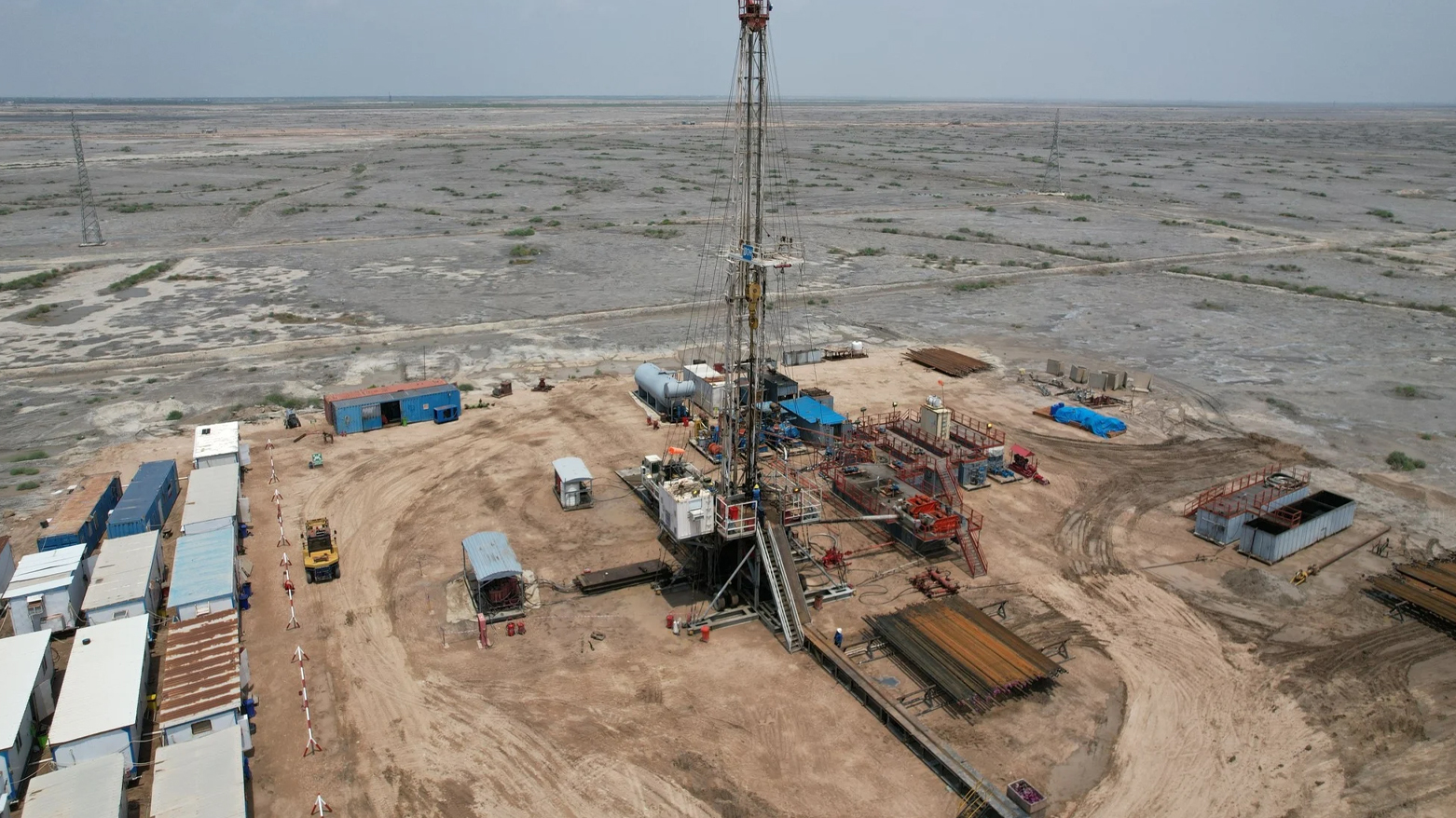
ERBIL (Kurdistan24) - A drone crashed in the West Qurna 1 oil field in Basra Province and a missile struck a house in Anbar Province on Tuesday, March 31, 2026, Iraqi authorities reported, part of the wider Middle East conflict involving U.S. and Israeli operations.
The Iraqi Security Media Cell confirmed that the drone impact in West Qurna 1 did not explode, and no casualties or material damage occurred. Major General Saad Maan, head of the cell, said in a statement that the missile in the Tharthar Tarrah area of Anbar penetrated the ceiling of a guest room but did not detonate. An explosive ordnance disposal (EOD) team was dispatched to secure the missile, he added.
The incidents came amid ongoing regional military operations targeting Iran and its infrastructure, which have increasingly affected neighboring countries including Iraq. AFP reported that Iranian and U.S.-Israeli military actions have led to strikes on residential areas, energy installations, and religious sites across the region.
Iranian media reported that attacks on Qeshm Island’s desalination plant in the Strait of Hormuz rendered it out of service. It was not immediately clear when the strike occurred. Two container vessels belonging to Chinese shipping company Cosco successfully transited the strait following coordination with local authorities, the Chinese foreign ministry confirmed, while Beijing expressed gratitude for the assistance provided.
In the United Arab Emirates, four people were injured when debris from intercepted drones and missiles fell on residential areas in southern Dubai. Authorities had previously warned residents of potential incoming attacks. In Saudi Arabia, civil defense officials reported two injuries in Al-Kharj province from a drone interception, in the vicinity of the Prince Sultan air base southeast of Riyadh.
Israeli authorities reported at least eight minor injuries in the Tel Aviv area from falling munitions fragments following an alert for incoming Iranian missiles. AFP journalists in Jerusalem confirmed at least 10 explosions as the Israeli military reported intercepting Iranian missile launches. In southern Lebanon, Israeli forces said four soldiers were killed during combat with Iran-backed Hezbollah fighters, with three from the same battalion and one whose identity was withheld pending publication.
Iranian media confirmed multiple blasts and power outages in Tehran, though authorities later restored electricity to affected districts. State reports also noted damage to the Grand Husseiniya, a Shia religious center in Zanjan, with parts of the dome and minarets impacted. The strikes reportedly targeted both military and civilian sites, including administrative buildings and urban areas.
The war has also affected Iraq directly. The Popular Mobilisation Forces (PMF) said U.S.-Israeli airstrikes hit two of its bases in Babil and Anbar provinces. No casualties were reported. According to the PMF website, the 45th Brigade in Jurf al-Nasr of Babil Governorate was hit with three airstrikes, while the 31st Brigade in the Karma sector of Anbar Province was also targeted.
Amid the conflict, international archaeological projects in Iraq have been disrupted. AFP reported that several foreign-led excavations, including at sites in Shuruppak (modern-day Tell Fara) and Nippur, were cut short due to the regional war.
Adelheid Otto of Ludwig-Maximilians-University in Germany said her team initially remained on site, documenting newly discovered cuneiform tablets, but eventually evacuated following repeated warnings from Iraqi authorities.
Similarly, Augusta McMahon, a University of Chicago archaeologist, departed southern Iraq with her team after escalating regional hostilities. Iraq’s State Board of Antiquities and Heritage emphasized that foreign teams provide crucial protection and training for local archaeologists, an effort now interrupted by the current hostilities.
In Dubai, Iranian action sparked a fire on a Kuwaiti oil tanker at the port, although no injuries were reported. Explosive debris from an air defense interception caused additional fires and wounded four residents in the city. Oil infrastructure and maritime operations have remained highly sensitive due to the strategic significance of the Strait of Hormuz, through which roughly one-fifth of global oil is transported.
Chinese and Pakistani officials met in Beijing to coordinate their approach to the ongoing Iran conflict, with a focus on maintaining regional stability and supporting dialogue. Pakistan has also hosted foreign ministers from Saudi Arabia, Egypt, and Türkiye, signaling preparedness to facilitate direct talks between the United States and Iran, according to diplomatic sources.
Israeli Prime Minister Benjamin Netanyahu said the ongoing military campaign against Iran had achieved over half of its objectives but declined to specify a timetable for the conflict’s conclusion. “It’s definitely beyond the halfway point. But I don’t want to put a schedule on it,” Netanyahu told Newsmax, a U.S. broadcaster.
Iran executed two men convicted of membership in a banned opposition group and plotting to overthrow the Islamic republic, a day after two others were hanged for similar charges, Iranian judiciary officials reported.
In addition to the drone and missile incidents in Iraq, U.S.-Israeli military operations have affected broader regional stability, including power cuts, damage to religious centers, and injury to civilians in multiple countries. Power restoration efforts in Tehran and repair of impacted sites in Iraq were underway, according to local authorities.
The broader Middle East war has also produced knock-on effects for international events. The Rencontre Assyriologique Internationale (RAI) conference, which had been planned to return to Baghdad after decades, was canceled as a result of the security situation, according to university organizers.
Despite the violence, authorities in Iraq continue to manage immediate threats to civilian infrastructure. In Basra Province, West Qurna 1’s oil facilities were unaffected by the drone crash, and no material losses were reported. Similarly, the missile in Anbar Province did not detonate, and an EOD team has been deployed to remove the device safely.
Throughout the conflict, the coordination between U.S. and Israeli forces has been evident, targeting a range of locations including military installations, residential areas, and critical infrastructure. Iranian media reported that central Iran’s military sites were struck, without specifying exact locations. Observers in multiple countries reported explosions and power disruptions in both urban and strategic areas.
In southern Lebanon, combat between Israeli forces and Hezbollah continued, with four Israeli soldiers confirmed killed. Injuries were reported in Dubai, Saudi Arabia, and Israel due to debris from air defense systems or falling munitions. Fires on Kuwaiti tankers and disruption to energy infrastructure highlighted the wider economic and logistical implications of ongoing strikes.
In total, the incidents in Iraq on March 31, 2026, including the West Qurna 1 drone crash and the missile strike in Anbar Province, occurred amid escalating regional conflict. Coordination of military operations across multiple countries has resulted in civilian injuries, infrastructure disruption, and interruptions to both energy and archaeological activities.
Efforts to secure and repair affected sites, restore power, and protect cultural heritage continue, with local and international teams involved in mitigation and safety operations. The U.S.-Israeli operations remain active across Iraq, Iran, and neighboring states, producing measurable impacts on both civilian life and strategic infrastructure.