Tehran: Attacks on Iranian Diplomatic Sites Will Make Israeli Embassies Targets
Iran warns Israeli embassies in the region are legitimate targets if Iranian diplomatic sites are attacked, pledging swift retaliation, while maintaining dialogue with Arab states and monitoring maritime traffic through the Strait of Hormuz.
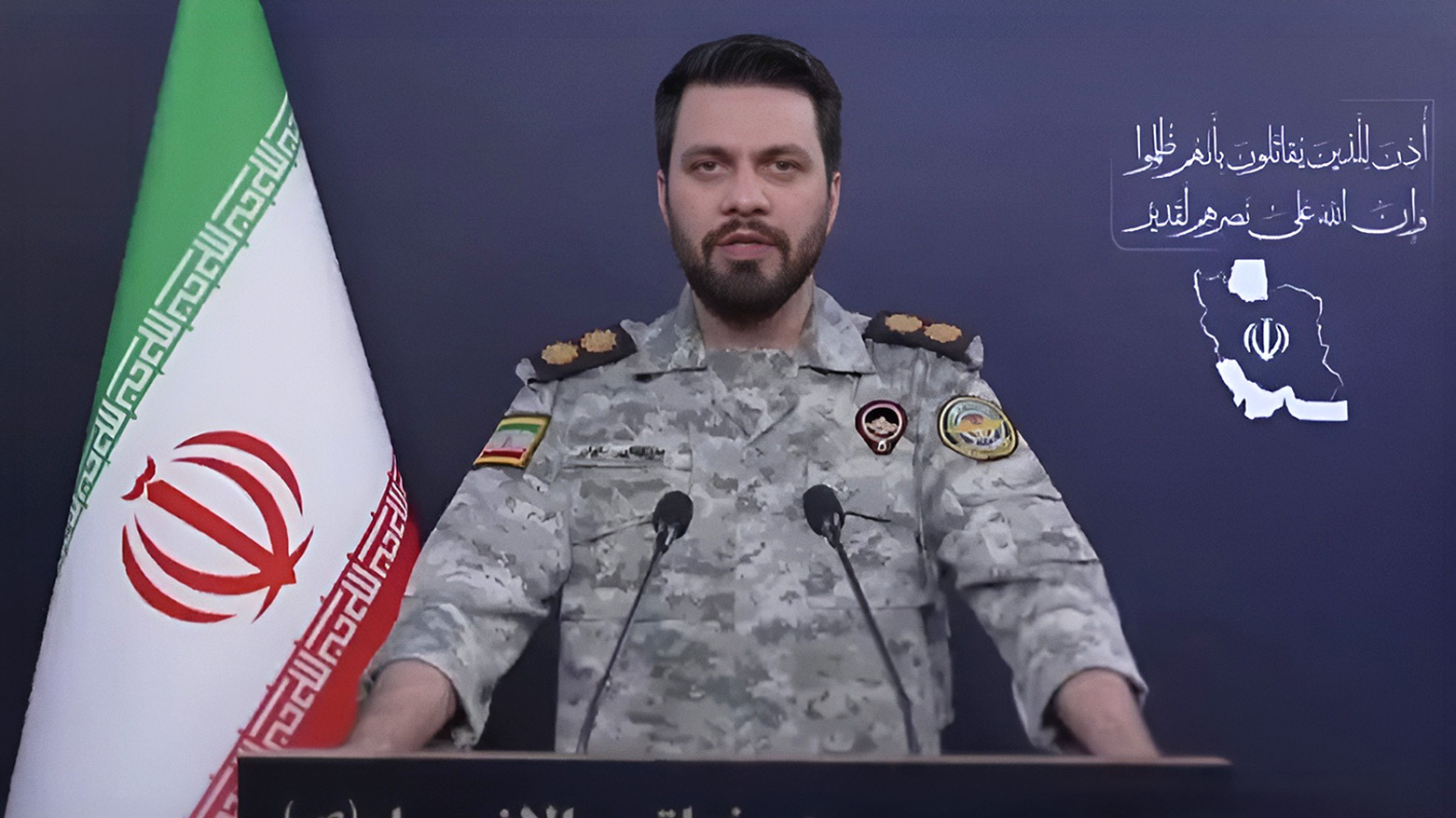
ERBIL (Kurdistan24) - Iran has issued a renewed warning to Israel, declaring that any attack on its diplomatic facilities will render Israeli embassies across the region legitimate targets for Iranian armed forces, according to a statement released Saturday by Ibrahim Zolfaghari, spokesperson for the Khatam al-Anbiya Central Headquarters.
Zolfaghari stated, "Following our previous warning, we warn Israel once again that we will not stand idly by. In the event of any aggression or attack on the embassies and diplomatic centers of the Islamic Republic of Iran, then all embassies of this fake and identity-less entity in the region will become legitimate targets for the Iranian armed forces, and we will attack them."
He emphasized the speed and decisiveness of Iran's response, adding, "Do not forget, we will respond quickly and firmly to what we say."
The announcement underscores escalating tensions between Tehran and Israel, following heightened hostilities in the region since late February. Iran has repeatedly asserted that while it respects the sovereignty of neighboring states, it reserves the right to respond to perceived aggression by the United States and Israel.
In parallel, Iranian officials confirmed that the Ministry of Foreign Affairs maintains ongoing diplomatic discussions with Arab states concerning regional security.
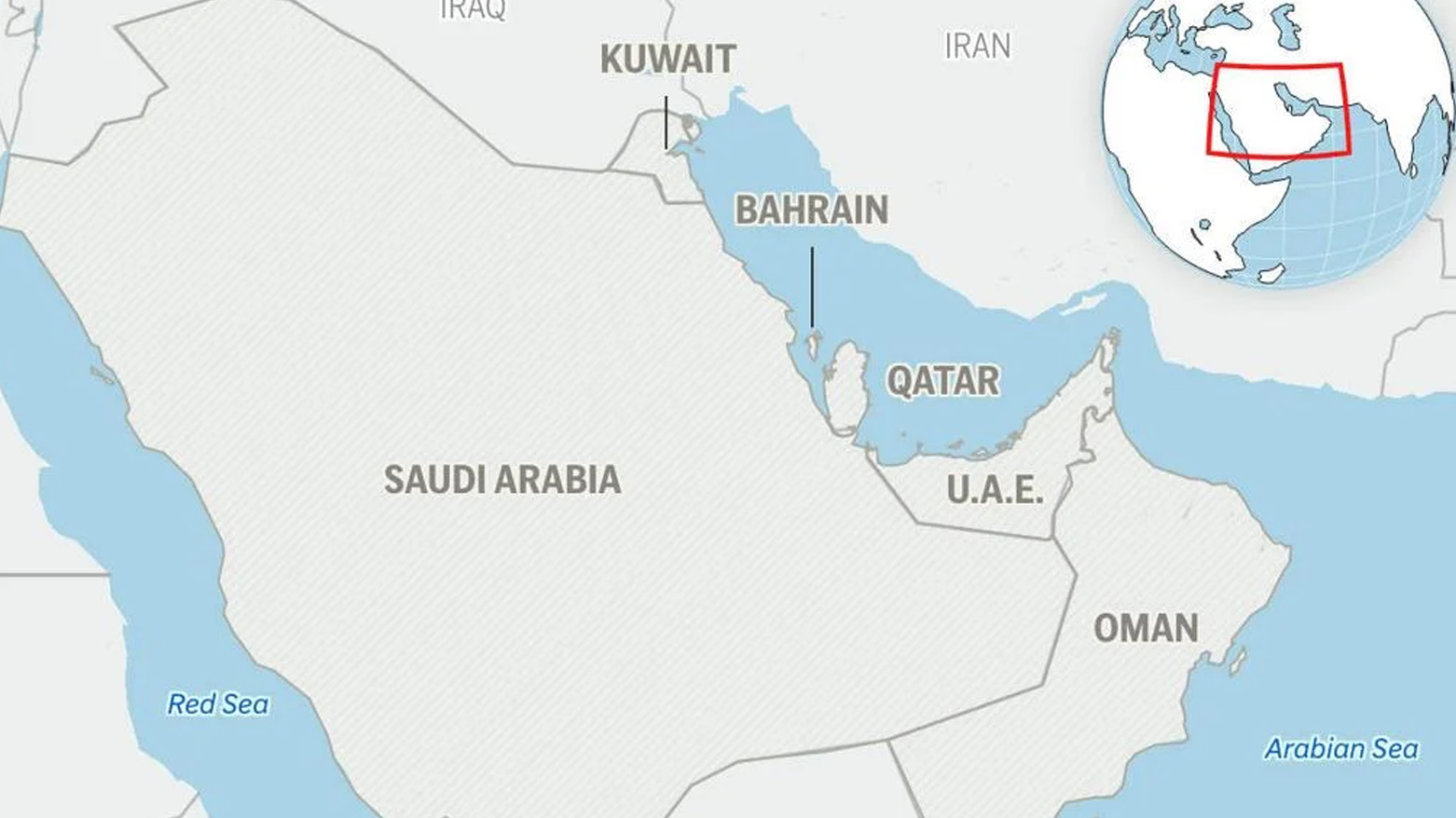
A source quoted by Novosti stated, "Security can only be viewed as a regional concept; therefore, we have always called on Arab countries to work jointly to ensure the security of the region. Toward that end, the Iranian Foreign Ministry is in constant contact with Arab countries."
The source further highlighted Tehran’s longstanding call for Gulf nations to observe the principle of "good neighborliness" and refrain from allowing their territory to be used for military operations against Iran.
The statement noted that Iran does not target neighboring countries but reserves the right to strike U.S. military installations in response to threats.
Regional officials have expressed skepticism about Tehran’s stance.
Anwar Mohammed Gargash, Emirati Politician and diplomatic advisor to the United Arab Emirates president, said in a separate statement, "These behaviors by Tehran are not only a departure from international laws and the principles of good neighborliness, but are also a dangerous approach that undermines the foundations of the international system and threatens the stability of the region."

The warning to Israel coincides with developments in maritime transit through the Strait of Hormuz.
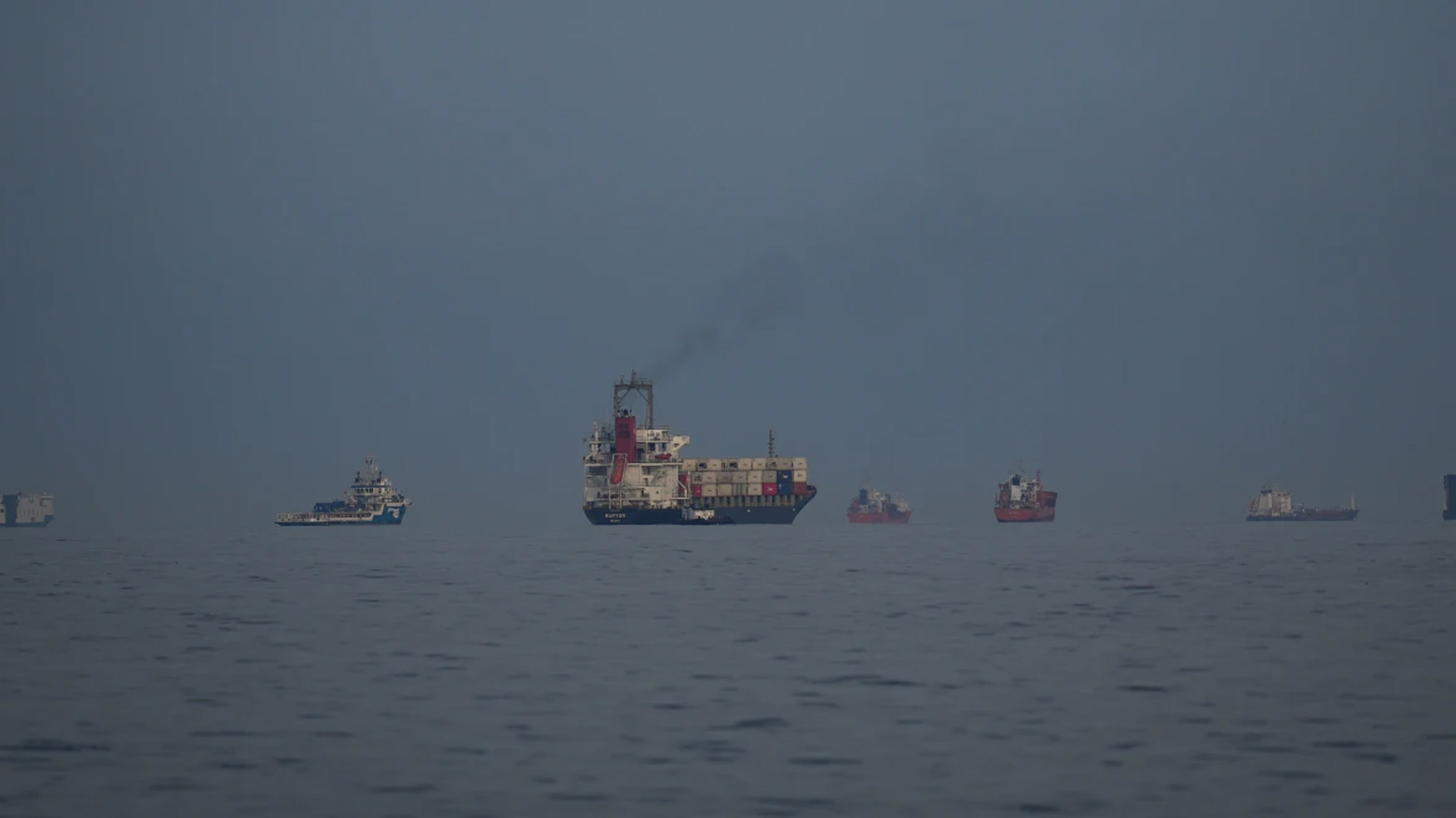
Türkiye reported that its second vessel has successfully passed through the strait since the outbreak of the war in Iran, while negotiations continue with Iranian authorities for the passage of eleven additional ships.
Turkish Transport and Infrastructure Minister Abdulkadir Uraloğlu told Anadolu Agency that fourteen Turkish ships remain in the strait, with three vessels stationed for operational purposes related to energy production. "Negotiations regarding the other ships are ongoing and our authorities are in constant contact with their teams," he said.
Shipping data indicated that last Thursday, vessels operated by companies from Oman, France, and Japan transited the strait, highlighting Tehran’s policy of permitting passage for ships not affiliated with the United States or Israel.
The Strait of Hormuz remains a critical maritime chokepoint, carrying approximately one-fifth of the world’s oil and natural gas. Iran initially closed the strait following U.S. and Israeli airstrikes in late February but later allowed non-hostile commercial traffic.
Meanwhile, the Iranian Revolutionary Guard addressed recent attacks on U.S. diplomatic facilities.
Following an assault on the U.S. embassy in Riyadh, Saudi Arabia, the Guard issued a statement denying involvement and attributing the attack to Israeli actions.
The statement said, "The objectives of the Iranian armed forces have been clearly stated in advance, and necessary warnings were given to neighboring countries regarding the provocations of the Israeli regime in the region." The IRGC urged regional states to remain vigilant against provocations aimed at destabilization.
International responses have reflected concern over the escalation.
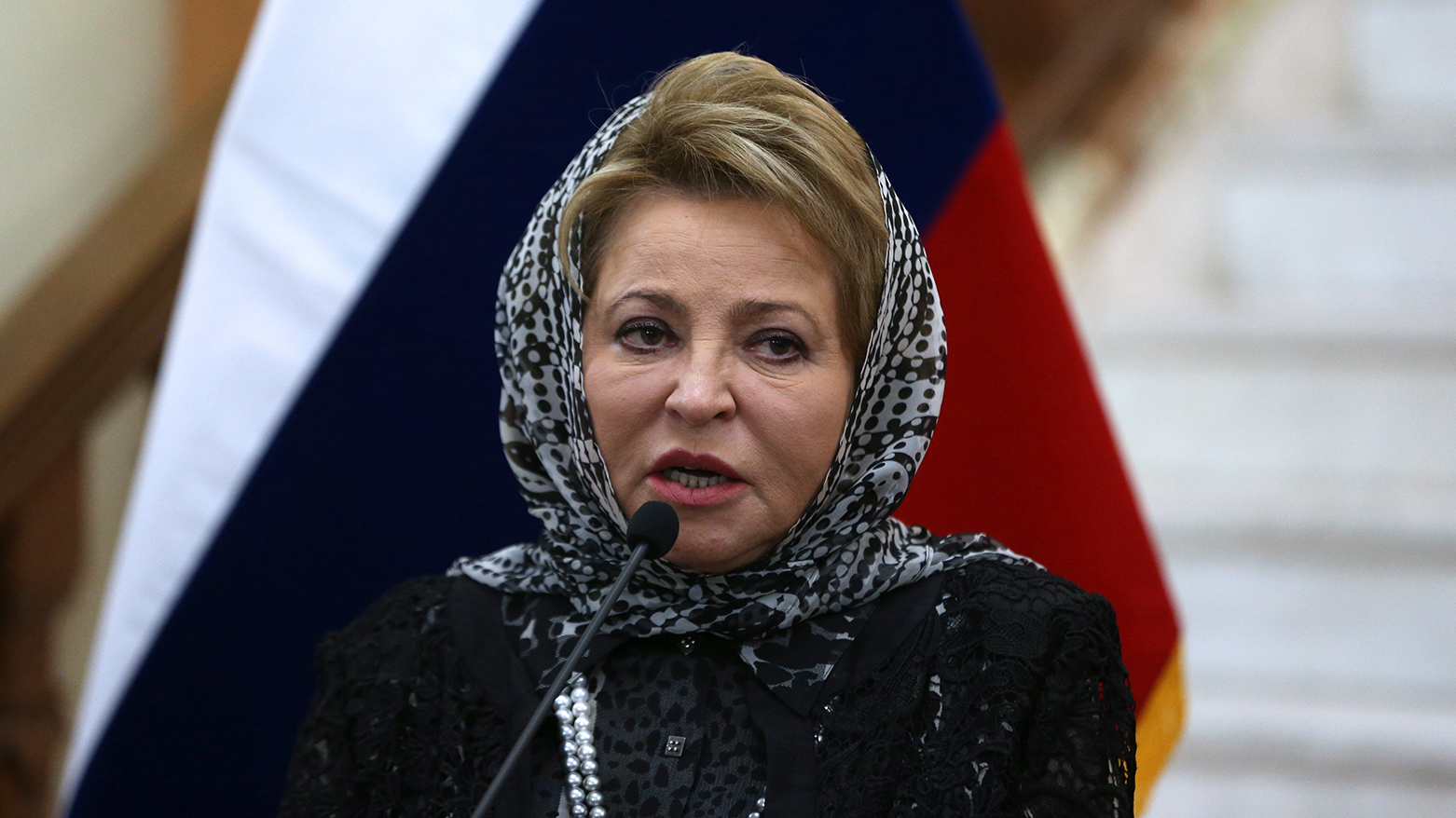
Valentina Matviyenko, Chairwoman of the Federation Council of the Russian Federation, criticized U.S. and Israeli actions in the Middle East, stating that both countries had committed a significant strategic miscalculation.
She noted that Washington and Tel Aviv’s operations contributed to increased regional instability and triggered a global energy crisis. Matviyenko also remarked, "Many countries in the world have now realized that the only guaranteed way to defend themselves and protect their security is to possess nuclear weapons."
The Iranian statements and regional diplomatic maneuvers come amid ongoing military operations, airstrikes, and heightened alert across the Gulf and wider Middle East. Iranian officials have emphasized a two-track approach: maintaining diplomatic contact with Arab states while defending national interests against perceived aggression.
Observers note that Tehran’s communications have been consistently framed to distinguish between targeting U.S. military installations and refraining from attacks on neighboring Arab states, reinforcing the government’s stated policy of selective engagement.
In addition to threats against Israeli embassies, Tehran’s renewed messaging reflects the broader strategic environment of the region, including maritime security in the Strait of Hormuz, ongoing U.S.-Israel military operations, and diplomatic engagement with Gulf states.
The escalation has prompted neighboring countries to monitor both Iranian military statements and maritime traffic closely. Analysts cited in regional reports emphasize the importance of maintaining open channels of communication to prevent miscalculation in areas of high strategic sensitivity.
Iran’s warning to Israel represents a continuation of a pattern established after February 2026, when airstrikes by the U.S. and Israel against Iranian targets intensified. These warnings have been accompanied by public statements reaffirming Tehran’s readiness to respond promptly to any perceived threats.
While Iran has reiterated its commitment to diplomatic dialogue with Arab countries regarding regional security, the statements also assert the legitimacy of Iranian military action against adversaries in the event of attacks on its diplomatic infrastructure.