UAE Petrochemical Hub Hit by Falling Debris; Emergency Teams on Scene
Operations at the plant have been immediately suspended while damage assessments are carried out. No injuries have been reported, and the public has been advised to rely on official sources for updates.
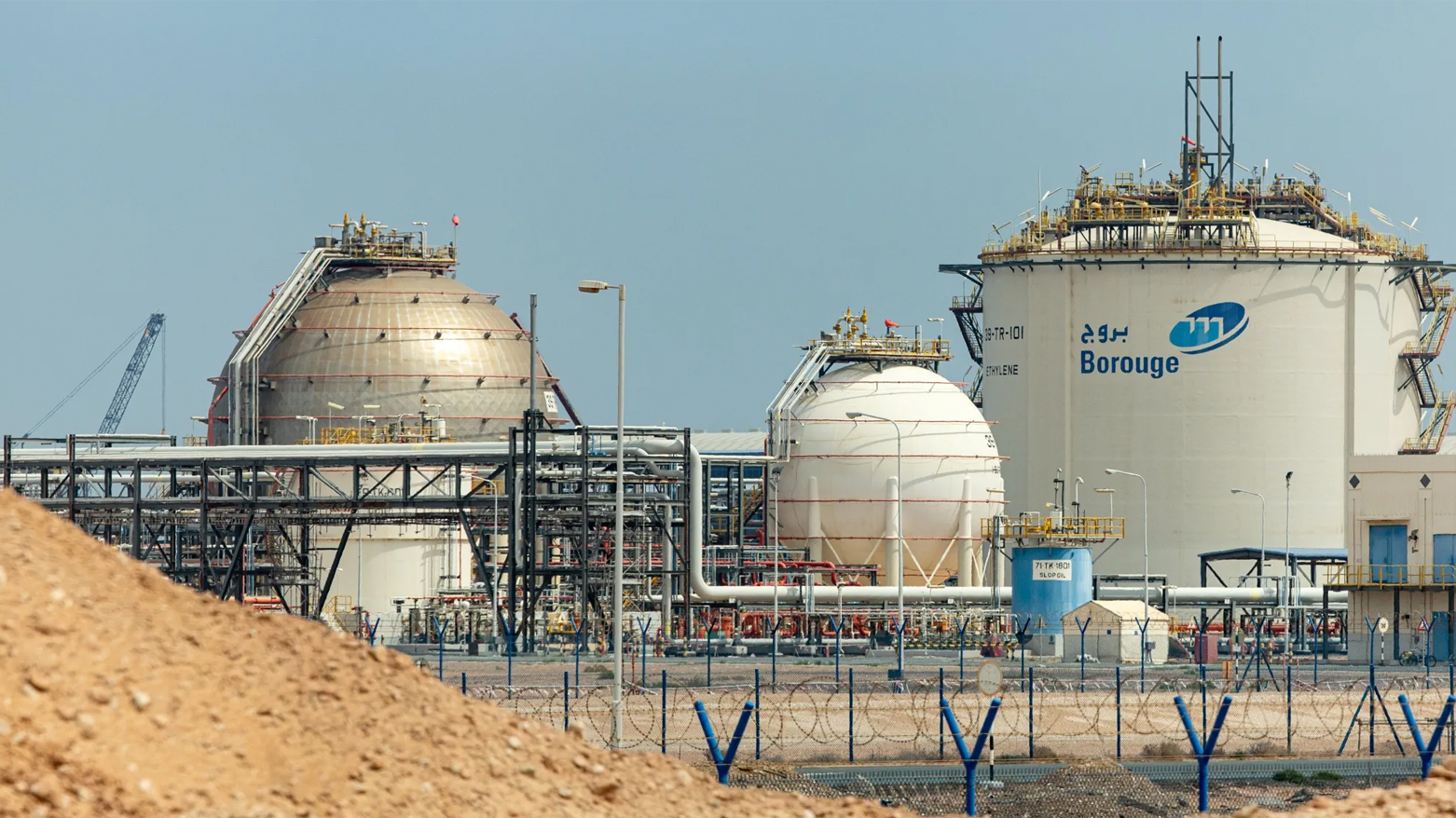
ERBIL (Kurdistan24) - Abu Dhabi authorities are responding to multiple fires at the Borouge petrochemicals plant in Ruwais, the Abu Dhabi Media Office reported on X on Sunday. The fires were caused by falling debris following successful interceptions by the facility’s air defence systems, officials said.
Operations at the plant have been immediately suspended while damage assessments are carried out. No injuries have been reported, and the public has been advised to rely on official sources for updates.
The Borouge facility, a joint venture between the Abu Dhabi National Oil Company and Austria’s Borealis, is located near the UAE’s western border with Saudi Arabia.
According to authorities, emergency response teams acted promptly to contain the fires and prevent further disruption to the plant’s operations. Officials emphasized that a detailed update would be provided once damage assessments were completed.
The incident follows a broader pattern of regional hostilities affecting energy and industrial infrastructure.
In Bahrain, Iranian drone attacks ignited fires in two units at a state-run petrochemical plant, the Bahrain News Agency reported Sunday. Firefighters reportedly brought the blaze under control, and authorities began assessing the damage.
Similarly, BAPCO Energies in Bahrain said an Iranian drone set fire to one of its storage tanks. The company reported no injuries and confirmed that emergency response teams contained the fire.
Kuwait also faced drone strikes on Sunday that targeted its government office complex and energy infrastructure. The Finance Ministry reported “significant damage” to its office complex in Kuwait City, without casualties.
The Electricity Ministry stated that two power generation units were taken out of service after the attacks on a water desalination plant and two power plants, and no injuries were reported.
Meanwhile, the ongoing conflict between the United States and Iran has intensified regional tensions. Iran’s state television reported that the country’s joint military command shot down two Black Hawk helicopters and one C-130 military transport aircraft over Isfahan.
The statement said the aircraft were part of a failed rescue operation for a U.S. pilot whose F-15E Strike Eagle had been downed on Friday. U.S. President Donald Trump confirmed that a U.S. service member missing after the F-15E was rescued, though he sustained injuries. A second crew member had been rescued earlier.
Trump wrote on social media that the aviator “took refuge in the treacherous mountains of Iran” and that the operation involved “dozens of aircraft” monitored continuously to ensure the rescue’s success.
A regional intelligence official briefed on the mission said U.S. forces destroyed two transport planes due to technical malfunctions, necessitating additional aircraft for the rescue, speaking on condition of anonymity.
The conflict has also disrupted regional supply chains, prompting warnings from aid groups about the impact on food and medical deliveries.
The United Nations food agency noted that continued hostilities could result in 45 million additional people facing acute hunger, adding to roughly 320 million already affected globally. Fuel and insurance costs for flights from hubs such as Dubai, Doha, and Abu Dhabi have increased sharply due to blockades of key shipping routes, including the Strait of Hormuz.
In related diplomatic developments, Egypt’s Foreign Minister Badr Abdelatty engaged with U.S. envoy Steve Witkoff, Iranian Foreign Minister Abbas Araghchi, and counterparts from Türkiye and Pakistan to discuss ways to de-escalate the conflict.
Pakistan’s Foreign Ministry separately said it supports “all efforts aimed at de-escalation” and is facilitating talks with Iran in an attempt to broker a ceasefire.
The war’s broader effects have reached as far as Senegal, where Prime Minister Ousmane Sonko announced restrictions on nonessential foreign trips for government ministers to manage the energy crisis linked to soaring crude prices caused by the conflict.
Sonko said several trips, including planned visits to Niger, Spain, and France, had been canceled to limit public expenditure, citing a nearly doubled price of oil compared to initial budget forecasts.
In Iran, military strikes and domestic crackdowns continued.
Nournews reported that airstrikes in Dehdasht county and the Vezq district killed ten people and injured seven. Mizan Online said Iran executed two men convicted for participation in January protests, including attacks on military facilities.
The Abu Dhabi fires at the Borouge plant mark a continuation of attacks on petrochemical and energy infrastructure across the Gulf region. Officials are assessing the full scope of damage, with operations at the facility suspended until further notice.