Israel Dismantles 4,300 Hezbollah Posts as Iran Threatens a Fierce Response
Israel says it has destroyed 4,300+ Hezbollah positions in Lebanon since March 2, as Iran threatens to boycott Islamabad talks and retaliate militarily if strikes on Lebanon continue.
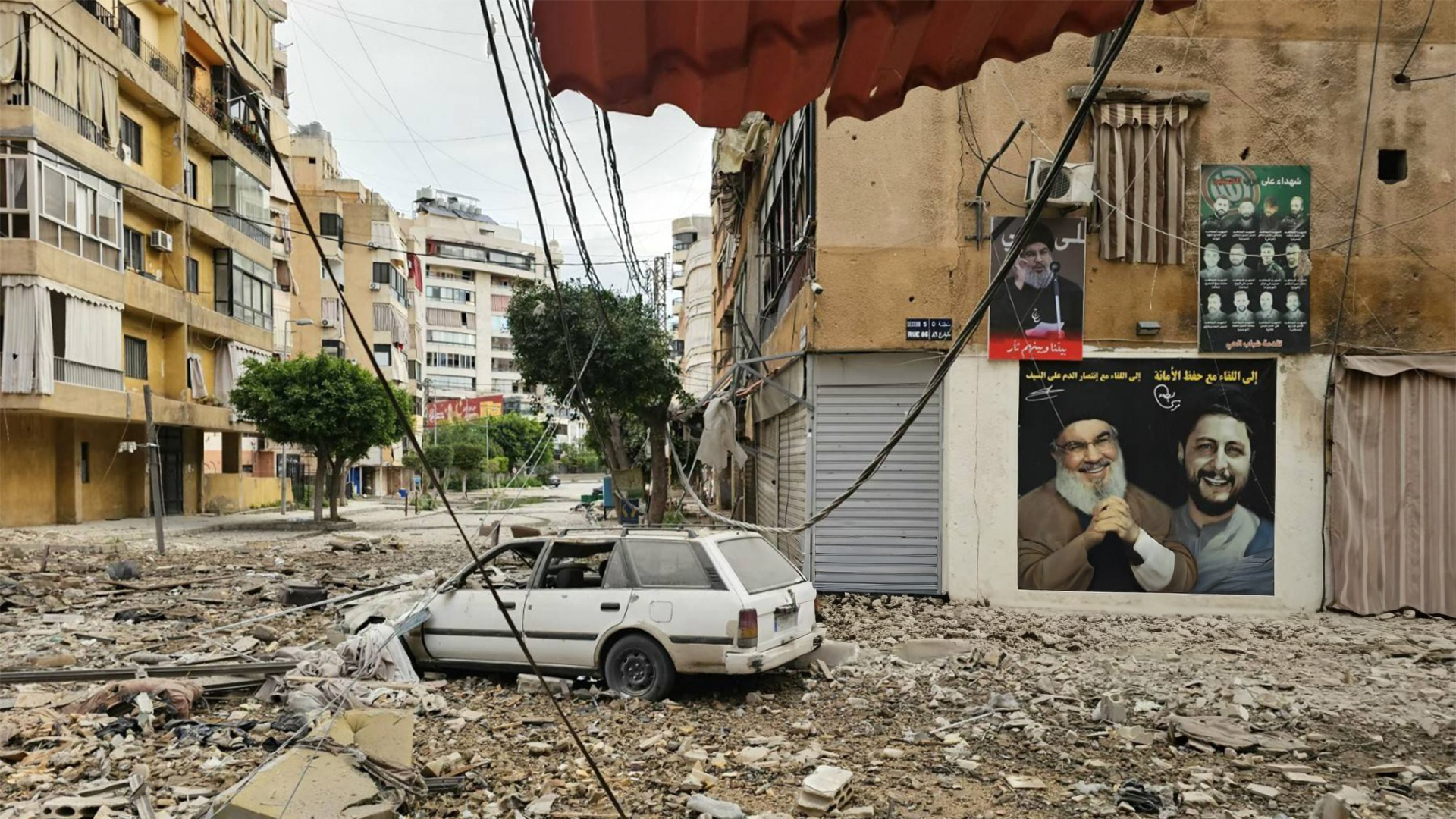
ERBIL (Kurdistan24) - More than a month into one of its most intensive ground campaigns in decades, the Israeli military released a striking new set of figures Friday— and Iran responded with a warning that cast a long shadow over the diplomatic talks taking shape in Islamabad.
Since the outbreak of hostilities on March 2, the Israeli army said it has dismantled and destroyed more than 4,300 separate Hezbollah positions and installations across Lebanese territory. Five Israeli divisions, it added, remain actively engaged in targeted and limited ground operations across various areas of southern Lebanon, continuing to strike the group's military infrastructure and seize its weapons.
The Israeli military broke down the figures by unit. Divisions 162 and 36 accounted for the destruction of more than 2,700 military infrastructure sites, while also seizing over 250 weapons, including long-range rockets, anti-tank missiles, RPGs, light arms, and improvised explosive devices.
Divisions 91, 98, and 146, meanwhile, have taken control of and neutralized more than 1,500 Hezbollah military positions, capturing over 1,000 additional weapons and assorted military equipment in the process.
The Israeli army emphasized that its air force continues to provide sustained support to ground units, with aerial strikes conducted in full coordination with field formations to neutralize targets posing direct threats to its forces.
Lebanon's toll — and Netanyahu's conditions
Lebanon's health minister said that the most recent wave of strikes across various parts of the country killed 203 people and wounded nearly 1,000 others.
Israeli Prime Minister Benjamin Netanyahu, for his part, reaffirmed Friday that his country's military operations in Lebanon would continue. He said an end to the war was contingent on three objectives: securing the northern border areas, dismantling Hezbollah's weapons arsenal, and reaching a peace agreement.
Analysts and observers warn that Israel's conditions and its refusal to halt the war against Hezbollah risk unraveling the US-Iran ceasefire, while simultaneously raising the prospect of a broader regional conflict and blocking any path to peace in the Middle East.
Iran's warning — and the Islamabad impasse
At the heart of the diplomatic crisis is a dispute over what the ceasefire actually covers. Iran and Pakistan insist the agreement between Washington and Tehran includes Lebanon. The United States and Israel maintain it applies only to the two primary parties — Iran and America.
On the third day of the ceasefire, Iran's Fars News Agency, citing an informed source, reported that Tehran has notified the Pakistani side it does not intend to participate in peace negotiations with the United States in Islamabad — not until a comprehensive ceasefire in Lebanon is achieved.
Iran's "Khatam al-Anbiya" military headquarters issued a stark warning Friday: if attacks on Lebanon and Hezbollah continue, Tehran will respond forcefully.
The announcement arrived as the situation on the ground in Lebanon continued to deteriorate — underscoring how tightly the fate of the Islamabad talks is bound to the battlefield realities unfolding hundreds of kilometers away.