Fire Destroys 1,000 Homes in Malaysian Water Village Prompting Disaster Declaration
In Sandakan’s Kampung Bahagia, a Malaysian water village of stilt houses, the tide went out as the fire came in. A thousand homes were lost while rescuers stood dry-shod at low tide, witnessing a sudden, aquatic architecture turn to ash before the eyes of a displaced community.
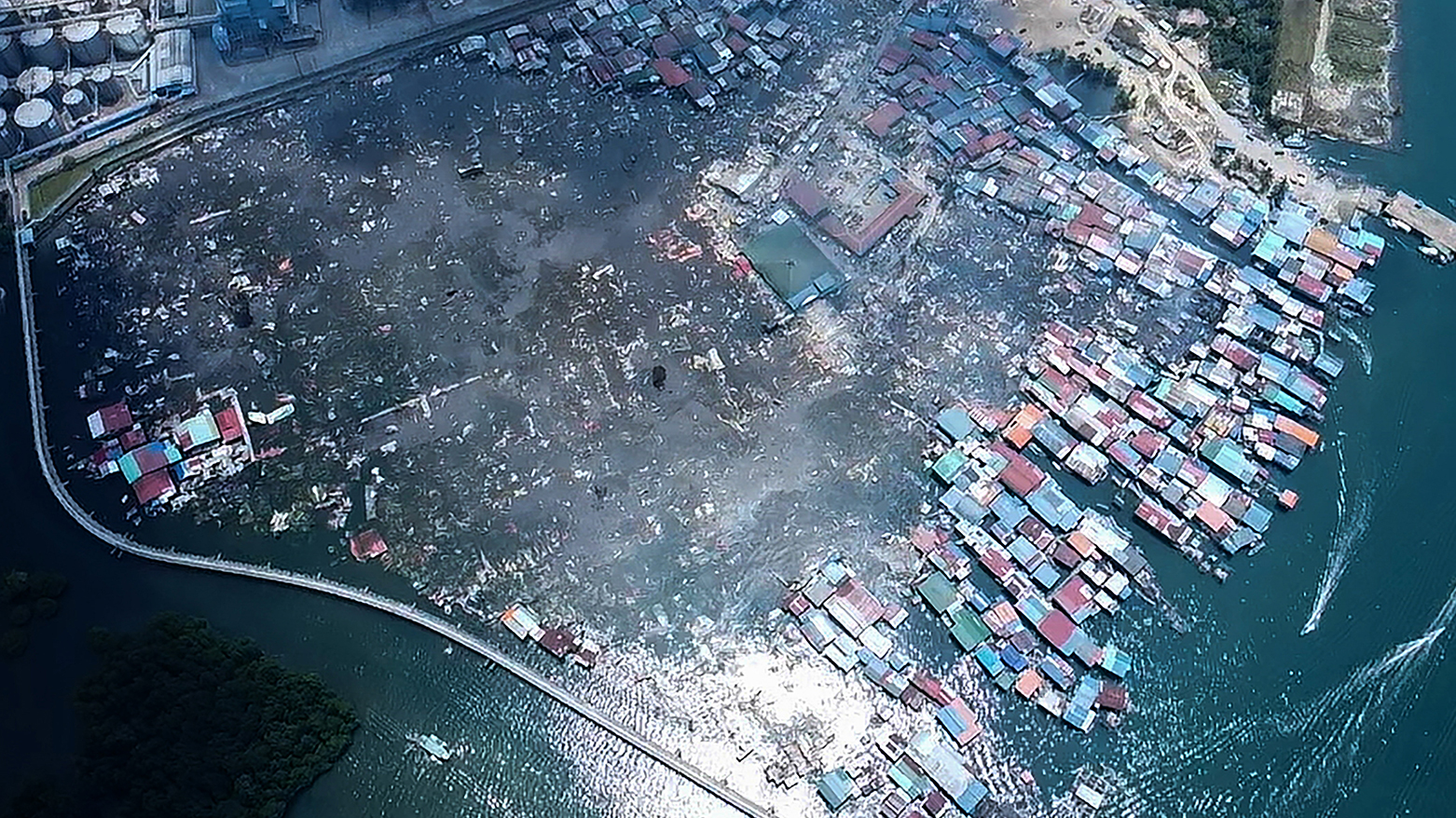
ERBIL (Kurdistan24) - A sweeping fire destroyed approximately 1,000 houses in the Kampung Bahagia water village in Sandakan, Malaysia, early Sunday morning, prompting local authorities to issue a district-wide disaster declaration.
Despite the scale of the structural devastation across the coastal settlement, emergency services reported no casualties.
The blaze, which concluded by noon, consumed more than four hectares of the densely populated stilt-house community.
According to a statement from Sandakan Fire and Rescue Station Chief Jimmy Lagun, firefighting operations were significantly impeded by low tide conditions, which deprived initial response teams of an adequate open water source beneath the structures.
To suppress the fire, emergency personnel utilized municipal water tankers, a pressurized hydrant from a nearby factory, and supplemental seawater. The coordinated response included the deployment of four 1,000-foot hose lines and 12 water jets, with additional logistical support provided by the Kinabatangan fire station.
The destruction of Kampung Bahagia highlights the acute structural vulnerabilities inherent to Southeast Asia's traditional coastal settlements. In these high-density environments, combustible wooden architecture and fluctuating tidal conditions intersect to complicate municipal emergency responses.
The resulting displacement crisis now tests the operational capacity of Malaysian state welfare agencies to manage sudden-onset urban displacement, exposing broader infrastructural gaps in securing vulnerable maritime communities against systemic environmental hazards.
Following the fire, the Sandakan Municipal Council activated its emergency response protocols. Council President Datuk Walter Kenson confirmed that structural inspections rendered the affected residential areas completely unsafe for occupation, resulting in the formal disaster declaration for the Sandakan district.
Authorities established the initial temporary relief center (PPS) at the Batu Sapi People’s Housing Project (PPR) Hall at 7:00 a.m. local time, followed by a secondary facility at Sekolah Kebangsaan Gas at 11:00 a.m. to accommodate the growing number of displaced residents.
According to preliminary data published by the Sabah State Disaster Management Committee at 10:30 a.m., the Batu Sapi relief facility had registered 143 heads of households, representing 661 displaced individuals.
The Malaysian Social Welfare Department and the Civil Defence Force are currently managing the ongoing registration and immediate resource allocation process for the affected demographics.
Situated on the northeastern coast of Borneo, Sandakan operates as a major maritime and economic node for the Malaysian state of Sabah.
Traditional water villages, known locally as kampung air, function as historically significant socio-economic hubs in the region. However, their informal infrastructure frequently operates outside standard municipal zoning regulations.
The inability of emergency responders to access sufficient water during a low-tide event underscores a critical discrepancy between traditional settlement patterns and modern disaster resilience frameworks, revealing systemic limitations in municipal utility networks servicing coastal margins.
The immediate trajectory of the crisis depends entirely on the capacity of local authorities to transition the displaced population from temporary relief centers to secure, long-term housing.
With the residential zone formally declared unsafe, the structural future of Kampung Bahagia remains unresolved, leaving hundreds of residents facing prolonged institutional uncertainty regarding the potential reconstruction or permanent relocation of their community.