WHO Says Hantavirus Cruise Outbreak Is Not Comparable to Covid-19 Pandemic
WHO says cruise-linked hantavirus outbreak is low-risk for the public; global contact tracing and quarantines focus on exposed passengers to prevent spread.
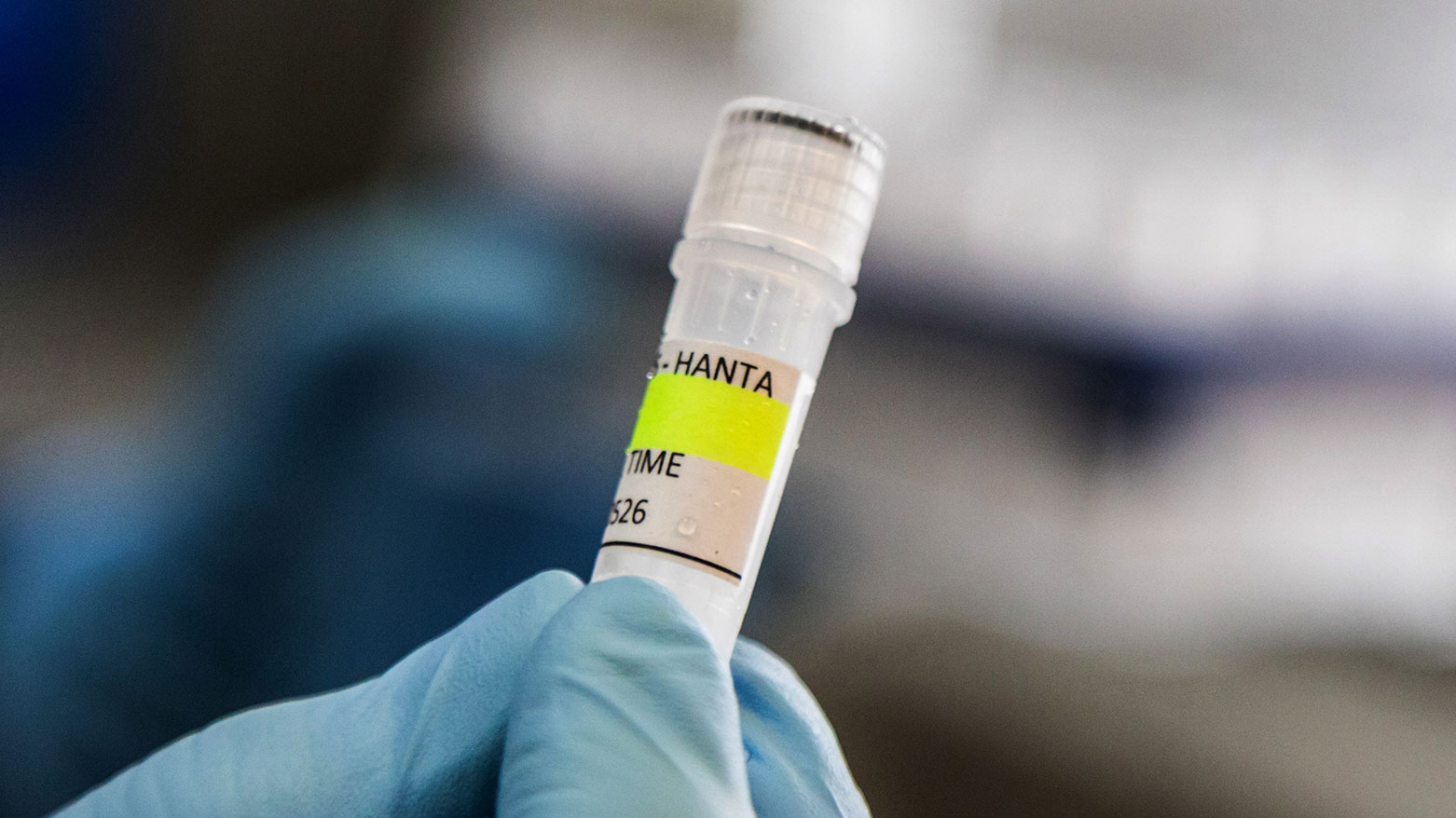
ERBIL (Kurdistan24) - The World Health Organization (WHO) has clarified that the recent outbreak of hantavirus linked to a cruise ship does not present a pandemic threat comparable to Covid-19.
According to the WHO, the pathogen spreads in a fundamentally different manner from respiratory viruses like the coronavirus or influenza.
Health authorities classify the overall risk to the general public as low, noting that the virus does not transmit easily between humans and typically requires direct inhalation of contaminated rodent residue.
The WHO statement comes as international health agencies coordinate a complex response to contain an outbreak originating on the MV Hondius cruise ship.
While the virus is generally not highly contagious among humans, the specific Andes strain suspected in this outbreak may have rare human-to-human transmission capabilities, prompting rigorous international containment protocols.
|
How public health officials are tracing people who came in contact with hantavirus victims? To prevent broader transmission, public health officials across multiple countries are actively utilizing contact tracing protocols to locate individuals who may have been exposed. According to the Associated Press, the primary objective of this tracing effort is to identify passengers who disembarked from the cruise ship before the virus was officially detected, monitor them for emerging symptoms, and prevent any secondary spread within their home communities. The AP reported that the tracing process is inherently challenging due to the mobility of the exposed passengers, who hail from at least a dozen different countries. Authorities are specifically focusing on locating dozens of individuals who left the vessel mid-journey. Monitoring procedures vary by jurisdiction; the AP noted that while some countries are mandating strict 45-day isolation periods, others, such as health agencies in the United States, are relying on daily temperature checks and self-monitoring protocols for returning citizens. |
WHO Clarifies Disease Profile
The distinction drawn by the World Health Organization is central to the current public health messaging.
The WHO stated that unlike highly transmissible airborne diseases such as measles or Covid-19, hantavirus infections are predominantly tied to specific environmental exposures.
The enclosed environment of the cruise ship is believed to have facilitated the current outbreak, rather than a high baseline transmissibility of the virus itself.
Symptoms of the disease initially mirror influenza, presenting as fever, muscle pain, shortness of breath, and gastrointestinal distress.
The WHO emphasized that while there is no specific cure for hantavirus, early medical intervention is critical for patient survival. The agency's clarification aims to mitigate public anxiety while supporting the targeted vigilance of epidemiological teams tracking the exposed cohorts.
Travel-Linked Cases Under Observation
The international mobility of the cruise passengers has required cross-border health monitoring, particularly concerning air travel.
Agence France-Presse (AFP) reported that a flight attendant for the Dutch airline KLM, who had exhibited mild symptoms after potential exposure, tested negative for hantavirus.
The WHO confirmed the negative test result through its International Health Regulations focal point, according to AFP.
The flight attendant had reportedly come into contact with an infected passenger who was removed from a Johannesburg-to-Amsterdam flight prior to takeoff due to severe illness.
That passenger later died in a South African hospital.
AFP reported that Dutch health authorities subsequently initiated contact tracing for other individuals on that specific flight as a precautionary measure.
Furthermore, AFP cited the UK Health Security Agency (UKHSA) in reporting a third suspected case involving a British national.
According to AFP reporting, this individual is currently located on the remote South Atlantic island of Tristan da Cunha, a location where the cruise ship had previously docked.
The UKHSA noted that two other British nationals linked to the outbreak remain hospitalized in the Netherlands and South Africa.
European Health Monitoring Intensifies
The operational focus of the public health response is now shifting to the anticipated arrival of the MV Hondius in Europe.
According to the Associated Press, Spanish authorities are preparing evacuation measures as the vessel heads toward the Canary Islands.
The ship, currently carrying approximately 140 passengers and crew, is expected to dock in Tenerife, where officials plan to process the arrivals in a completely isolated and cordoned-off area.
Health officials told AP that none of the individuals currently aboard the ship are displaying symptoms of the virus. However, the lengthy incubation period of hantavirus, which can manifest between one and eight weeks post-exposure, necessitates strict ongoing observation.
The AP reported that multiple governments, including those of the United States and the United Kingdom, are chartering dedicated repatriation flights to extract their citizens directly from the Spanish quarantine zone.
The report added that returning British passengers will be subjected to a mandatory 45-day isolation period upon arrival in the UK, underscoring the severity of the monitoring protocols despite the WHO's classification of low general public risk.
Through these combined measures of isolation, contact tracing, and international coordination, health authorities aim to definitively contain the cruise-linked outbreak.