Hegseth Faces Pressure in Congress Over Iran War Strategy and Rising Costs
Pentagon chief pressed on war spending, military stockpiles, and unclear endgame
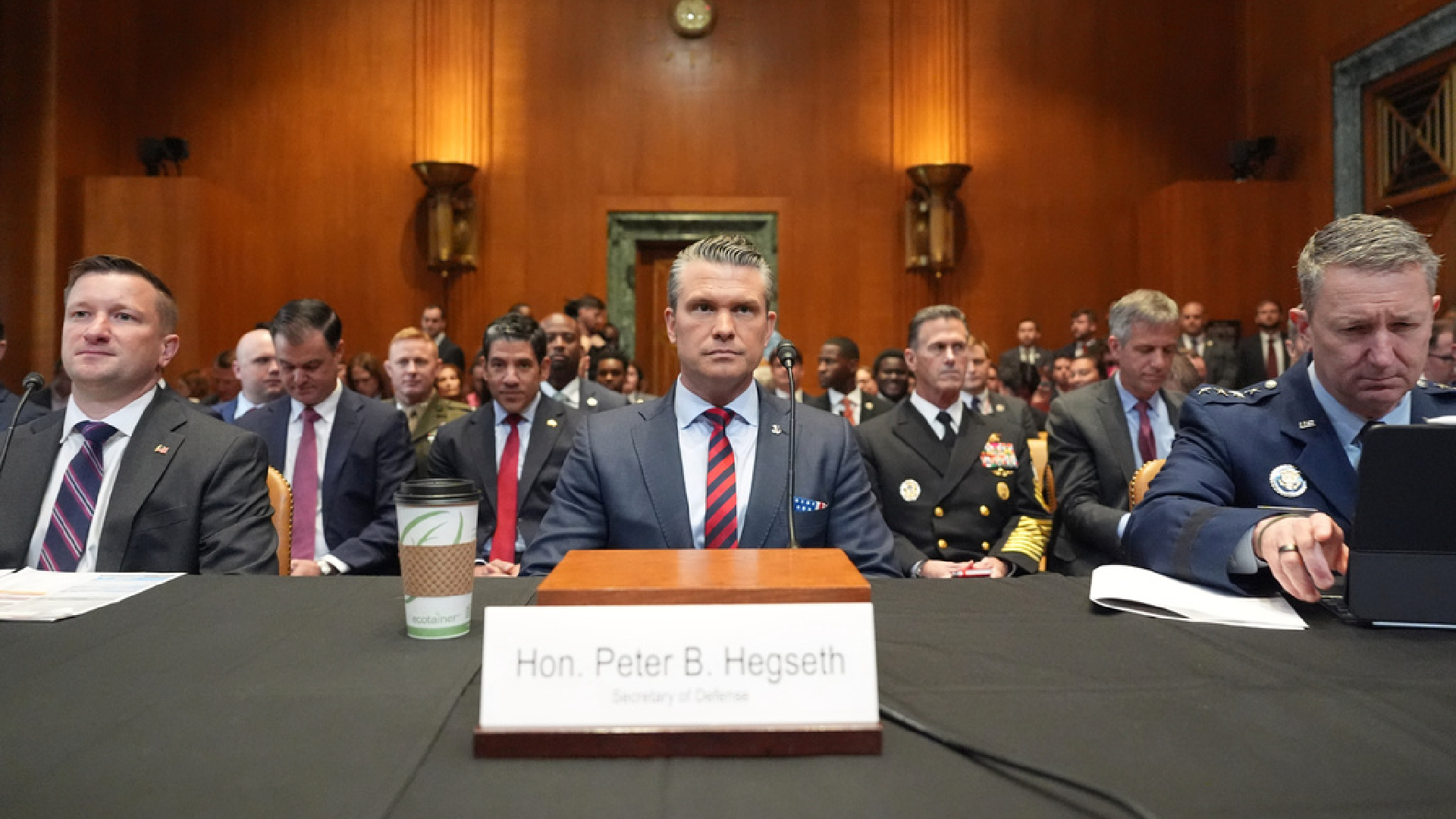
ERBIL (Kurdistan 24) - U.S. Defense Secretary Pete Hegseth faced mounting pressure Tuesday from both Republicans and Democrats during congressional hearings focused on the Trump administration’s handling of the Iran war, its growing financial cost, and concerns over U.S. military readiness.
The hearings came as the Pentagon confirmed the conflict has now cost the United States approximately $29 billion, an increase of $4 billion from estimates released late last month. Pentagon official Jules Hurst told lawmakers the updated figure includes operational expenses as well as repair and replacement costs for military equipment used during the conflict.
Lawmakers from both parties questioned whether the Trump administration has a clearly defined strategy for ending the conflict, while also raising concerns about rising fuel prices, pressure on U.S. weapons stockpiles, and the broader economic impact of instability in the Strait of Hormuz.
During the hearings, Hegseth defended the administration’s approach and insisted that the U.S. military remains fully prepared despite concerns about depleted weapon inventories.
“We know exactly what we have. We have plenty of what we need,” Hegseth told lawmakers, while adding that the defense industry has been instructed to “build more and build faster.”
The hearings also took place as Congress reviews the Trump administration’s proposed 2027 military budget, which includes a record $1.5 trillion defense proposal amid growing tensions involving Iran, China, Russia, and the broader Middle East.
The political pressure on the White House has intensified in recent weeks as continued instability around the Strait of Hormuz has contributed to volatility in global energy markets and rising fuel prices inside the United States ahead of midterm elections.
President Donald Trump recently defended the administration’s pressure campaign against Tehran, saying the U.S. blockade has sharply restricted Iran’s finances.
“We don't have to rush anything. We have a blockade which allows them no money,” Trump said Monday, while reiterating that Iran “will 100% stop enriching uranium.”
The congressional hearings highlighted growing debate in Washington over how long the conflict may continue, how much it could ultimately cost, and whether diplomacy or further military escalation will define the next phase of the confrontation with Iran.