President Barzani Describes Leyla Qasim as Symbol of Kurdish Resistance
President Masoud Barzani marked the 52nd anniversary of Leyla Qasim's execution, honoring her as a symbol of Kurdish resistance and political sacrifice. He said she and her companions remain enduring figures in the Kurdistan Region’s collective historical memory.
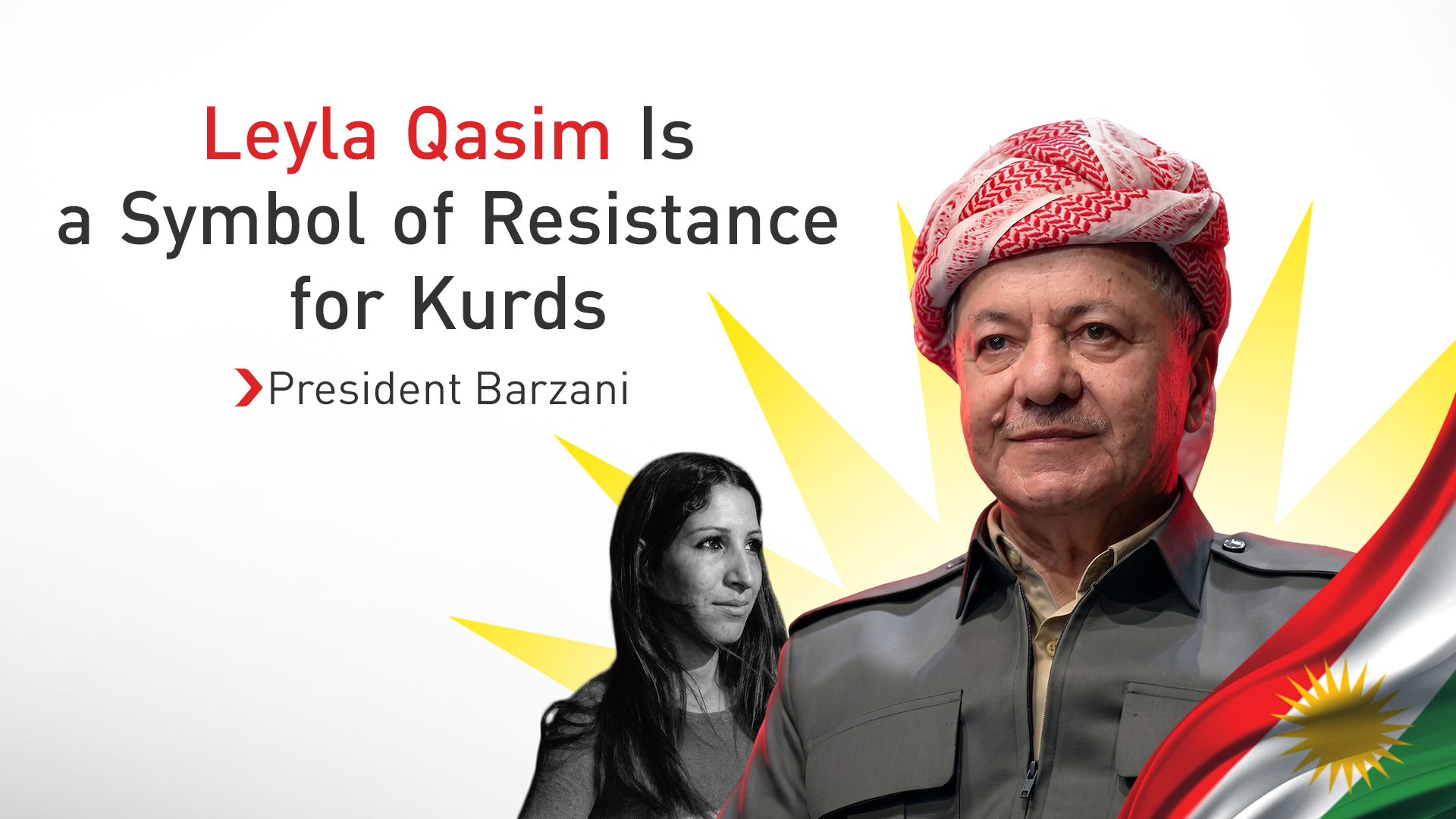
ERBIL (Kurdistan24) - President Masoud Barzani issued a statement on Tuesday honoring the memory of Leyla Qasim and her political companions, describing the executed activists as enduring symbols of resistance for the Kurdistan Region.
The formal message, published to mark a significant historical anniversary, reflects ongoing efforts by Kurdish leadership to institutionalize the collective memory of figures who faced severe state repression during previous Iraqi administrations.
The commemorative message coincides with the 52nd anniversary of Qasim's execution by the former Ba'athist government in Baghdad.
Leyla Qasim holds a unique and elevated place within Kurdish historical memory as the first Kurdish woman to face execution by the former Iraqi state specifically for her nationalistic and political convictions.
As a 22-year-old sociology student, Qasim became a defining emblem of female political agency, and her legacy continues to serve as a central focal point for institutional remembrance and cultural continuity within contemporary Kurdish discourse.
The act of commemorating Qasim highlights the broader role of historical remembrance in Kurdish society.
According to the statement by President Barzani, honoring such figures functions as a method of preserving the region's historical narrative and reinforcing a shared political identity rooted in historical struggles for civil and cultural rights.
President Barzani Issues Commemorative Message
The formal remarks regarding the anniversary were disseminated on Tuesday.
President Barzani published the commemorative message on his personal account on the social network X, ensuring the historical tribute reached both a domestic and international audience. The statement was issued explicitly to mark the 52nd anniversary of the martyrdom of Leyla Qasim and her fellow activists.
In his public address, President Barzani described the historical sacrifices made by the group, stating that "Leyla Qasim and her companions courageously sacrificed their lives to secure the freedom and dignity of their people."
This framing of Leyala Qasim and her fellow activists firmly situates their historical actions within the broader context of the Kurdish national movement's pursuit of political rights.
According to the statement, President Barzani further clarified the contemporary relevance of their actions, asserting that these individuals have become role models and enduring symbols of resistance for all freedom-seekers within Kurdistan.
At the conclusion of his message, President Barzani noted that he sends greetings to their pure souls, extending this tribute to the souls of all martyrs who lost their lives on the path to freedom.
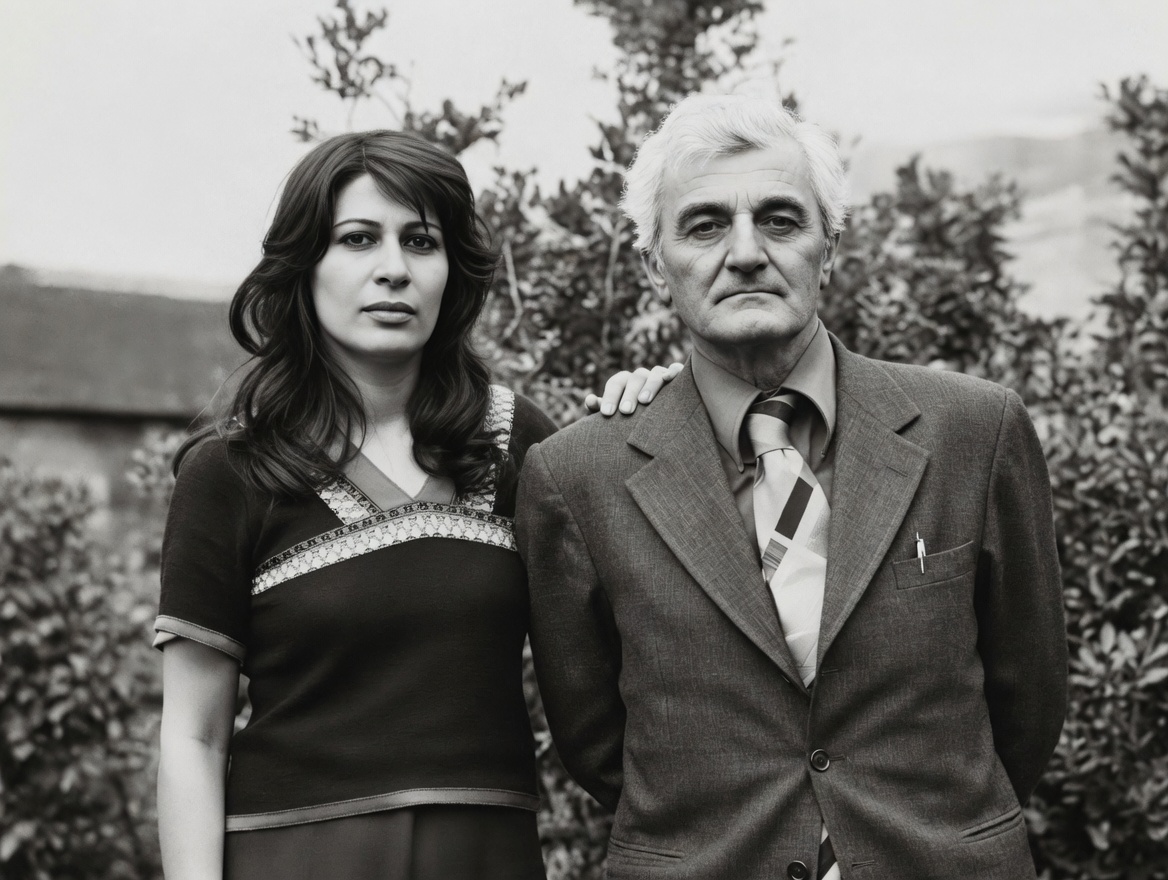
Historical Background on Leyla Qasim
According to historical accounts, Leyla Qasim was born in 1952 in the city of Khanaqin, located in Diyala province. Raised in poverty by a farming family, her parents identified as Dalaho and Kani, Qasim grew up facing the systemic discrimination frequently directed at Feyli Kurds during that era.
While she and her brother Çiyako were taught Arabic by their mother, the report noted that their household maintained a deeply rooted Kurdish identity.
In 1970, Qasim joined the Kurdistan Democratic Party (KDP) and the Kurdistan Students' Union, mobilizing local youth.
The following year, she relocated to the Iraqi capital to study sociology at the University of Baghdad's College of Humanities. According to the historical background, it was in Baghdad's highly restrictive post-1968 political environment that Qasim escalated her activism.
The text noted that she and her brother authored underground pamphlets denouncing the Ba'ath regime's policies of forced Arabization and accusing the government of undermining the limited autonomy granted by the 1970 March Manifesto.
Her activism ultimately provoked severe state retaliation during a period of escalating Kurdish uprisings.
According to the historical evidences, Qasim was arrested in early 1974 alongside her fiancé, Jawad al-Hamawandi, and three comrades: Nariman Fouad Misty, Azad Suleiman Miran, and Hasan Mohamed Rashid.
The detainees were held at Abu Ghraib prison, where, according to post-execution reports cited in the background material, they endured severe physical abuse.
The historical texts suggest that Qasim suffered brutal torture, including the loss of an eye. The group was subsequently convicted by a revolutionary court on charges of sedition, sabotage, and terrorism in a trial that historians describe as entirely lacking in due process.
Leyla Qasim and her companions were executed in Baghdad on May 12, 1974, and she was subsequently interred in Najaf's Valley of Peace cemetery.
Commemoration and Symbolism
The annual observance of May 12 serves as a critical mechanism for preserving the historical record of state violence against Kurdish activists.
Qasim faced her execution with notable defiance, requesting to wear traditional Kurdish attire and singing the Kurdish national anthem, "Ey Reqîb." She purportedly told her family she would become the "Bride of Kurdistan" (Leyla-yê Kurdistanê), utilizing a metaphor of sacrificial union with her homeland.
The historical sources noted her widely documented final words: "Kill me! But you must also know that after my death, thousands of Kurds will wake up. I feel proud to sacrifice my life for the freedom of Kurdistan."
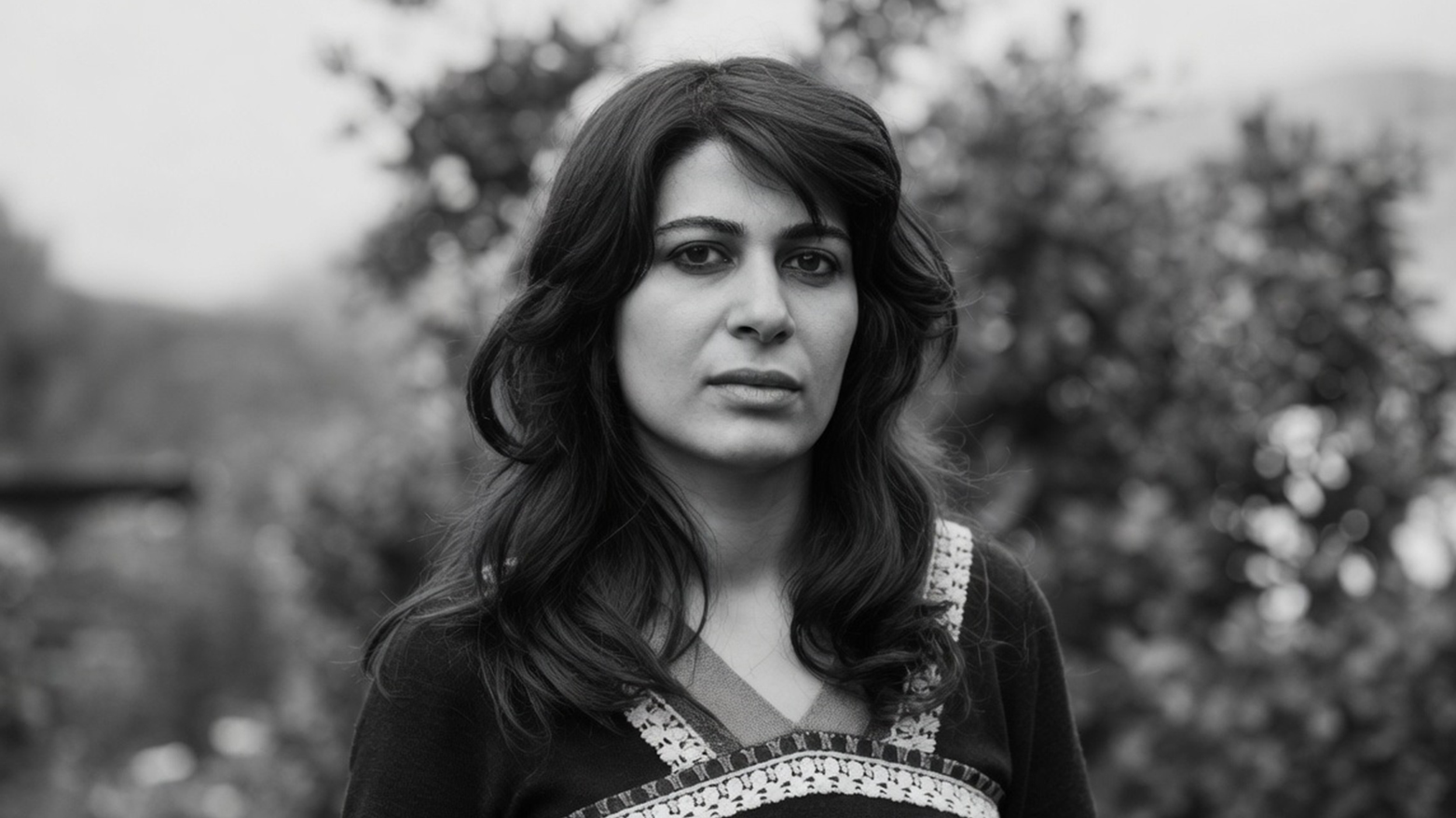
The symbolic importance of Leyla Qasim in Kurdish society is deeply tied to her demographic identity.
The report noted that her public execution spotlighted female agency at a time when traditional patriarchal norms often restricted women's visibility.
According to the text, her death served as a catalyst, inspiring widespread Kurdish student activism and accelerating recruitment into the Peshmerga forces during the 1974-1975 war. Internationally, her execution drew significant media attention to the Kurdish cause, framing the Ba'athist government's repression as indicative of genocidal intent.
Academic and Cultural Legacy
The institutional reverence for Qasim indicates that her narrative actively informs the cultural and political identity of the present.
According to the supplementary reporting, her legacy has been extensively analyzed in contemporary political thought through decolonial feminist frameworks.
Scholars emphasize that her story illustrates intersectional oppression, highlighting the convergence of gender, ethnicity, and class discrimination under an authoritarian state, while simultaneously demonstrating subaltern resistance.
Academic texts, including works by Ofra Bengio in the Middle East Journal (2016) and Choman Hardi in The Cambridge History of the Kurds (2021), reference Qasim as a trailblazer.
These scholars note that her assertion of Kurdish dignity helped influence post-1991 Kurdish women’s movements, which increasingly integrated gender equality into nationalist discourse.
These texts also compared her historical footprint to figures like Hannah Senesh, noting that her defiance challenged the state's attempt to construct "inferior" identities.
In literature and culture, Qasim's legacy has been immortalized through patriotic theater. One example of this is Gharbi Mustafa's 2010 play, Leyla, the Kurdish Bride, which fictionalizes her life as a national allegory of persecution and the yearning for liberation.
Furthermore, proposals for documentary films and her potential reburial in a national museum aim to cement her status as a revolutionary icon.
The 52nd anniversary of the executions functions as a solemn reminder of the severe historical costs associated with Kurdish political dissent in Iraq.
The statement from President Barzani reinforces the concept that the legacy of resistance, female political agency, and the pursuit of political dignity are deeply embedded in the historical memory of the Kurdistan Region, ensuring that the sacrifices of 1974 continue to be recognized in 2026.