Kurdistan Region Expands Solar Power Generation Capacity
Solar energy projects in the Kurdistan Region are gradually expanding as part of broader institutional efforts to diversify power sources, foster private-sector investment, and strengthen environmental sustainability.
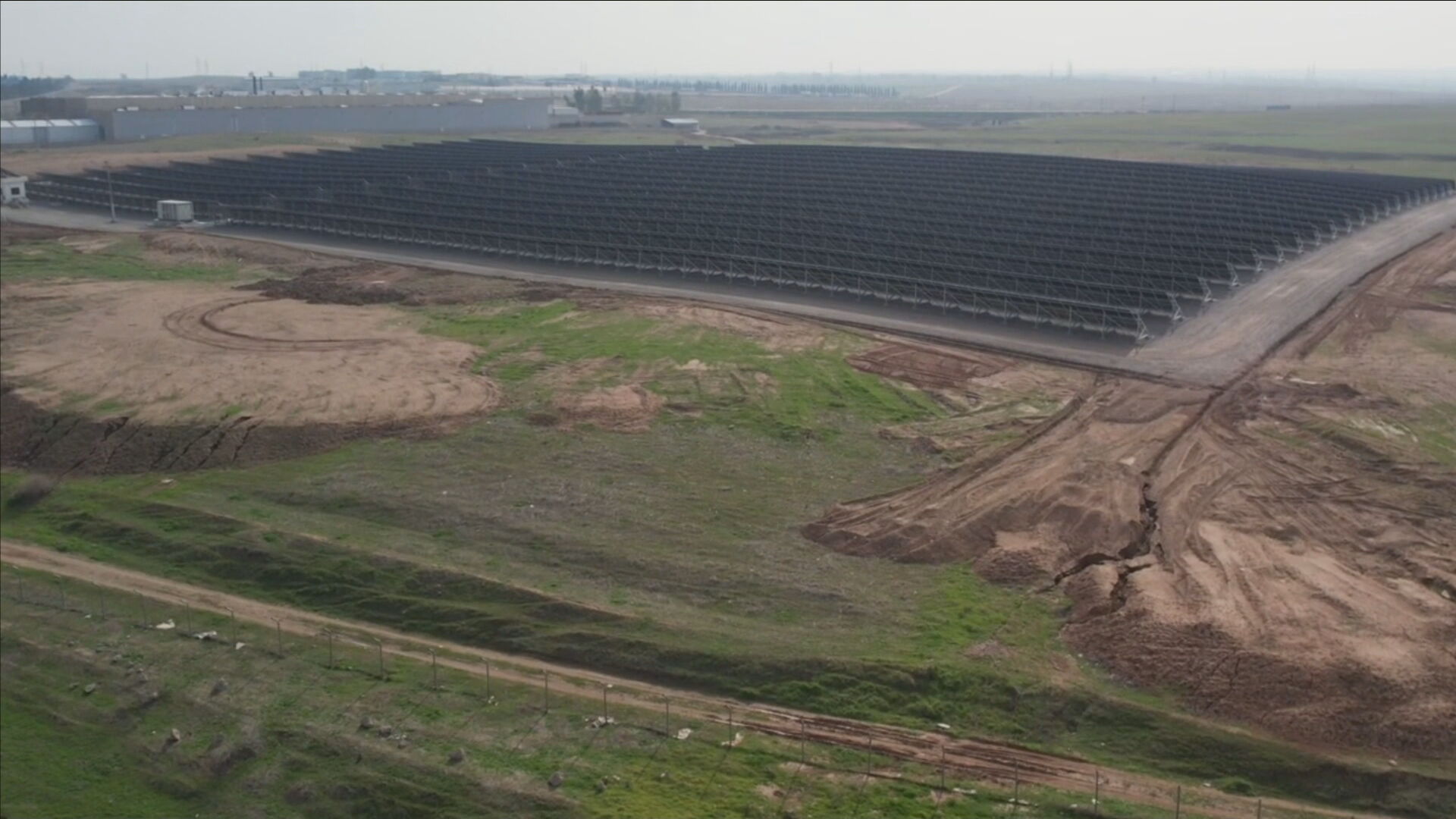
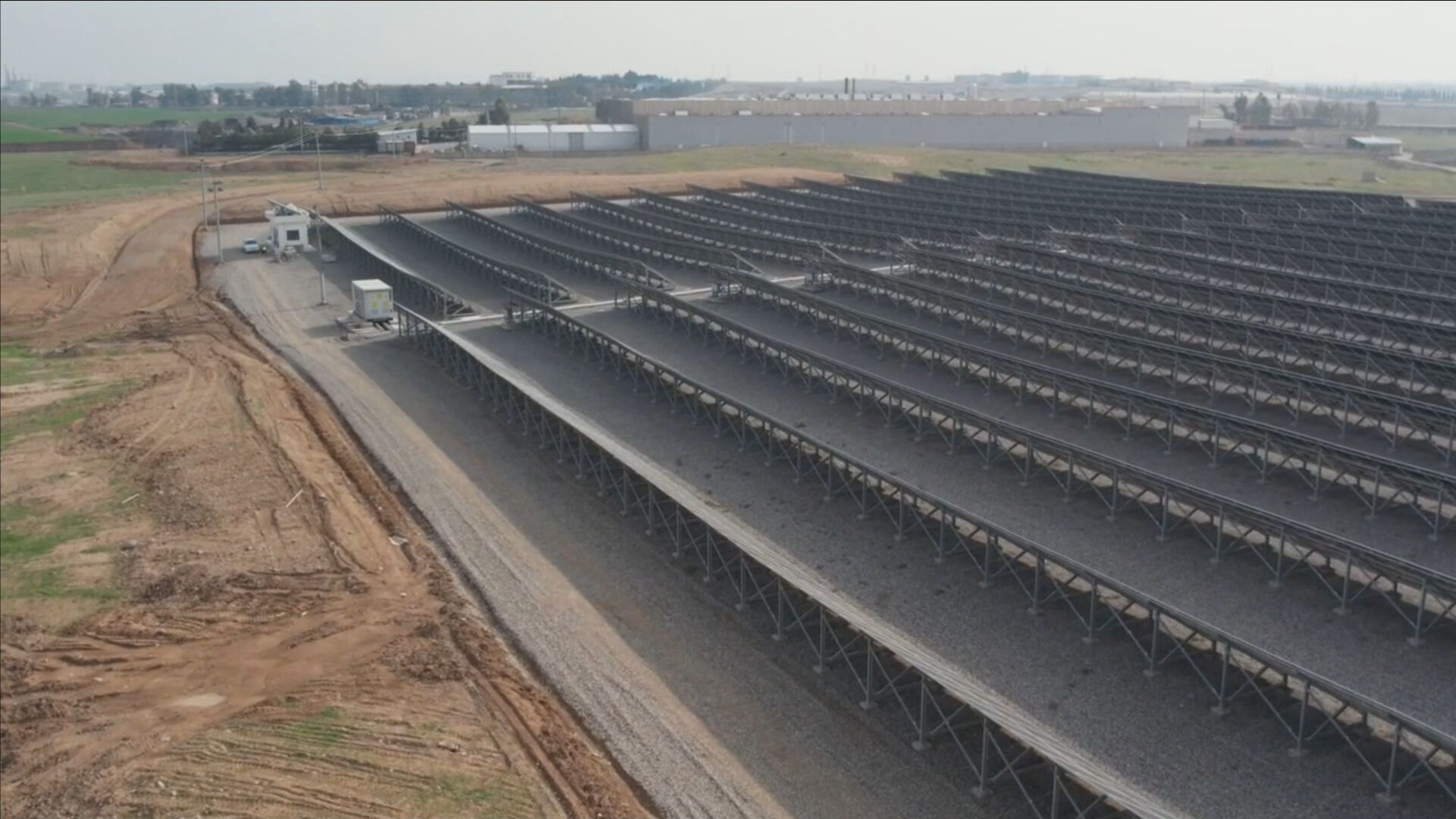
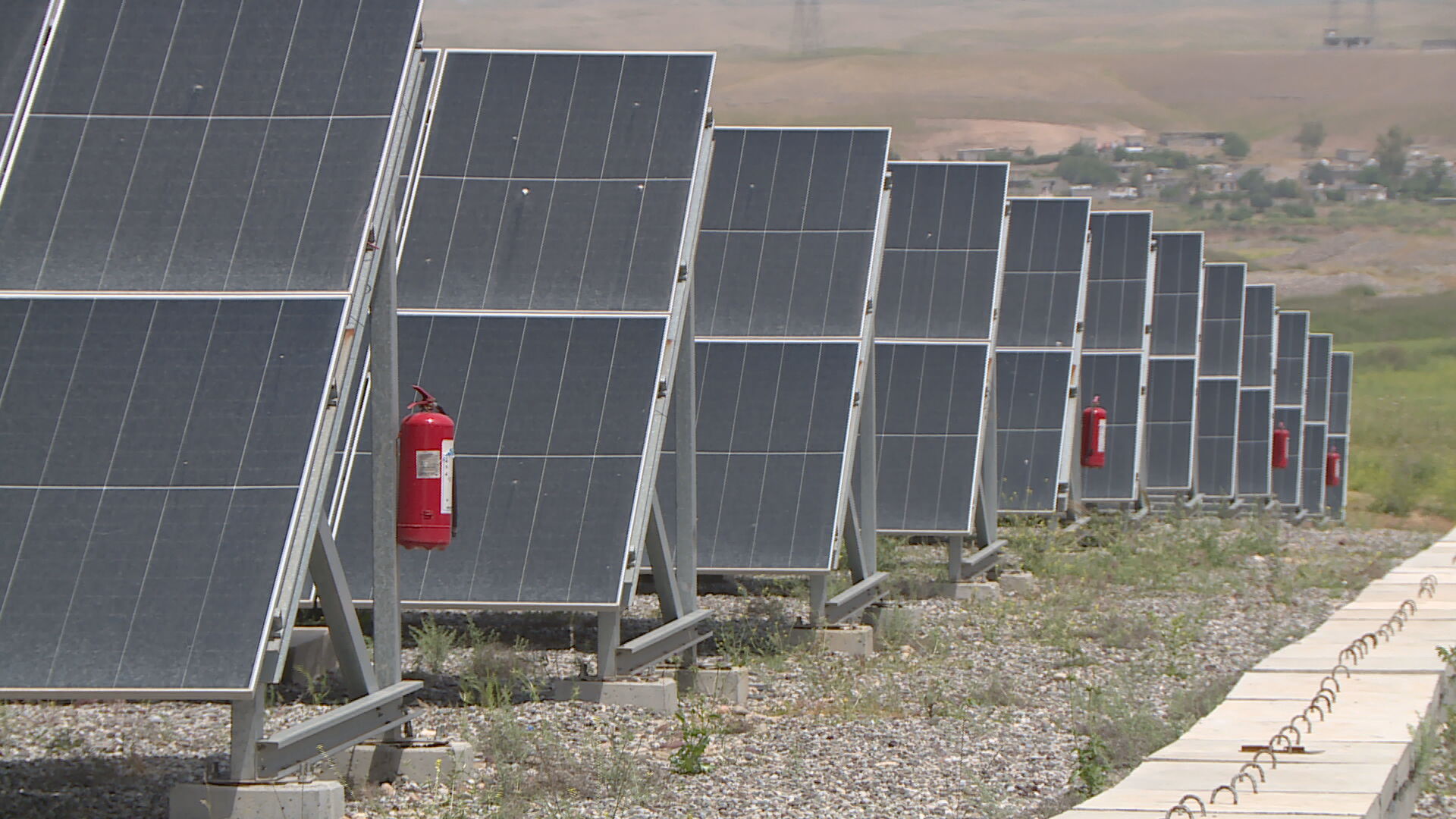
ERBIL (Kurdistan24) - A major industrial solar energy facility has been established in Erbil, the capital of the Kurdistan Region, with an installed capacity of approximately 4.5 megawatts. The plant supplies electricity to support local manufacturing operations for Coca-Cola İçecek (CCI).
According to a report by Kurdistan24's Ahmed Abdul Samad on Sunday, the newly operational plant marks a significant step in the region's transition toward renewable energy and represents one of the most prominent private-sector solar initiatives in the area, supplying sustainable power directly to commercial industry.
The development highlights a growing momentum for renewable power within the Kurdistan Region, where local authorities and private enterprises are increasingly collaborating to diversify energy sources.
As detailed by Kurdistan24, these solar infrastructure investments align with broader governmental strategies aimed at reducing environmental impacts and strengthening energy independence through coordinated institutional support and private-sector participation.
Largest Solar Project in Operation
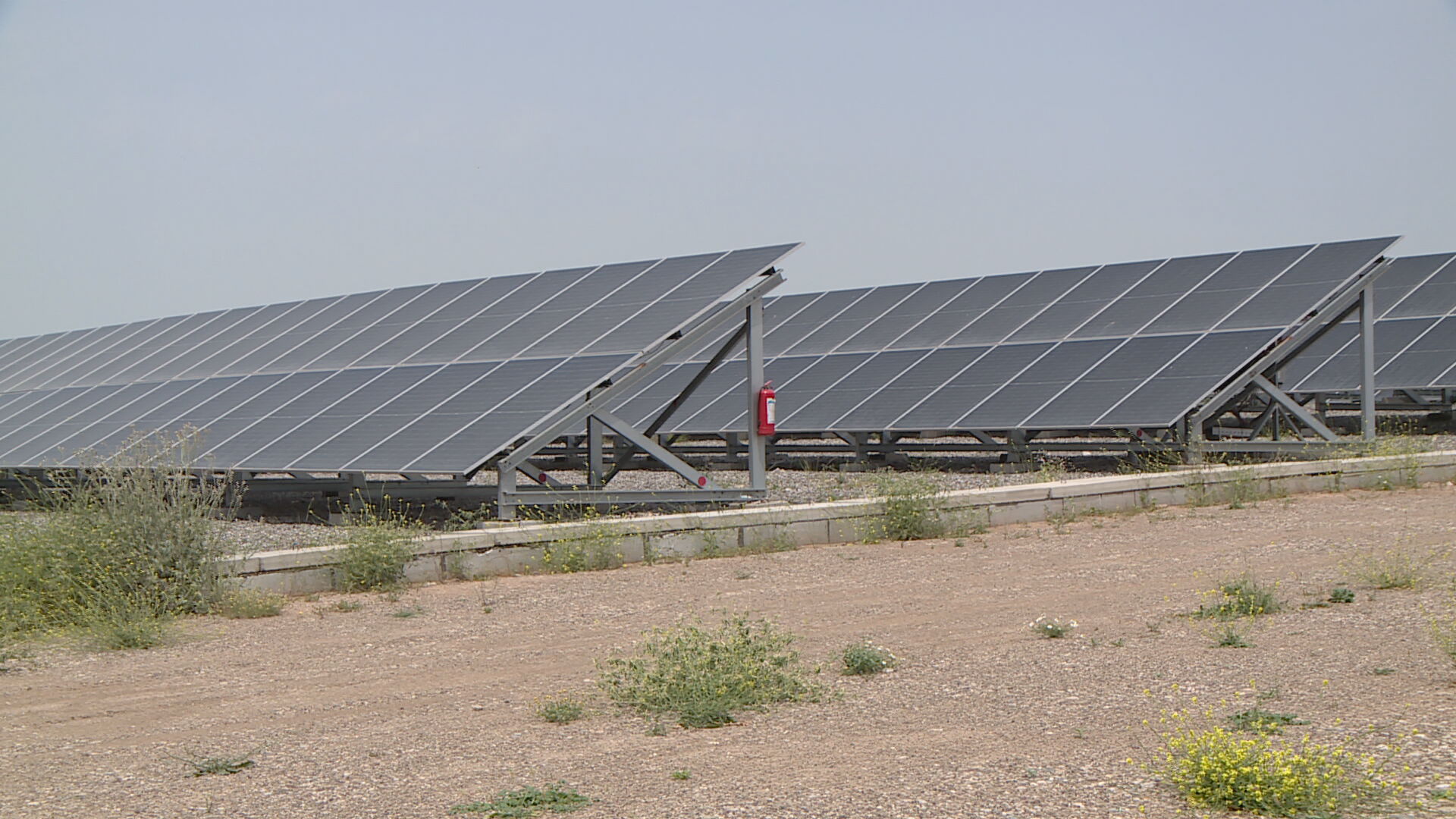
According to Kurdistan24 reporter Ahmed Abdul Samad, the facility is described as the largest solar power generation project currently operating in Iraq.
The installation was developed specifically to supply electricity to a commercial manufacturing company, showcasing how heavy industry can integrate green technology into its operations.
A project manager told Kurdistan24 that the initiative was completed with a financial budget of nearly $3.5 million.
While the company official noted that the facility was built with a working capacity of 4 megawatts, the reporter placed the total generated output at 4.5 megawatts.
According to the company representative, the solar array successfully covers 57 percent of the manufacturer's annual electricity requirements, positioning the firm as a pioneer in self-sufficient renewable energy generation within the region's industrial sector.
Monitoring and Technical Oversight
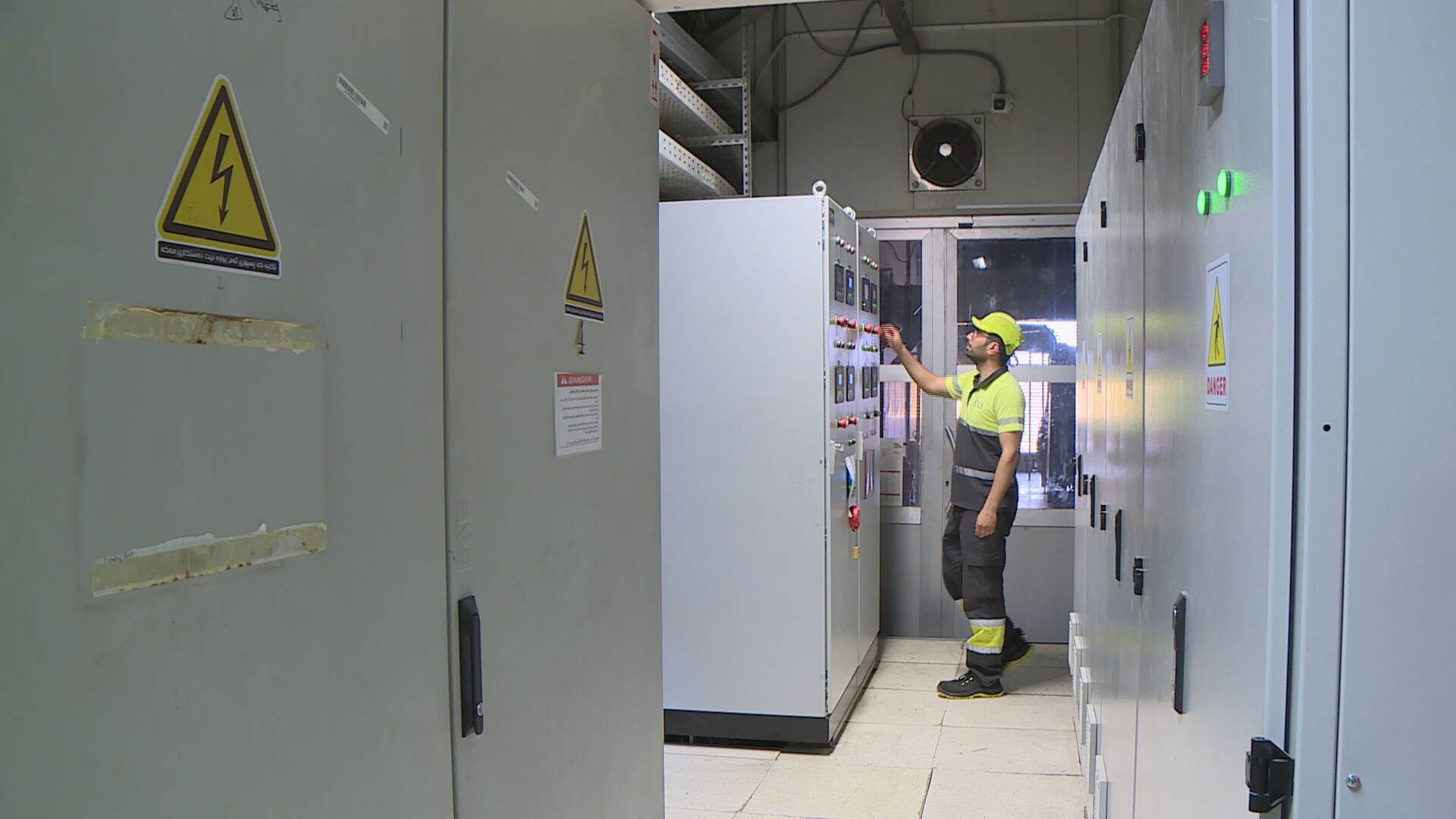
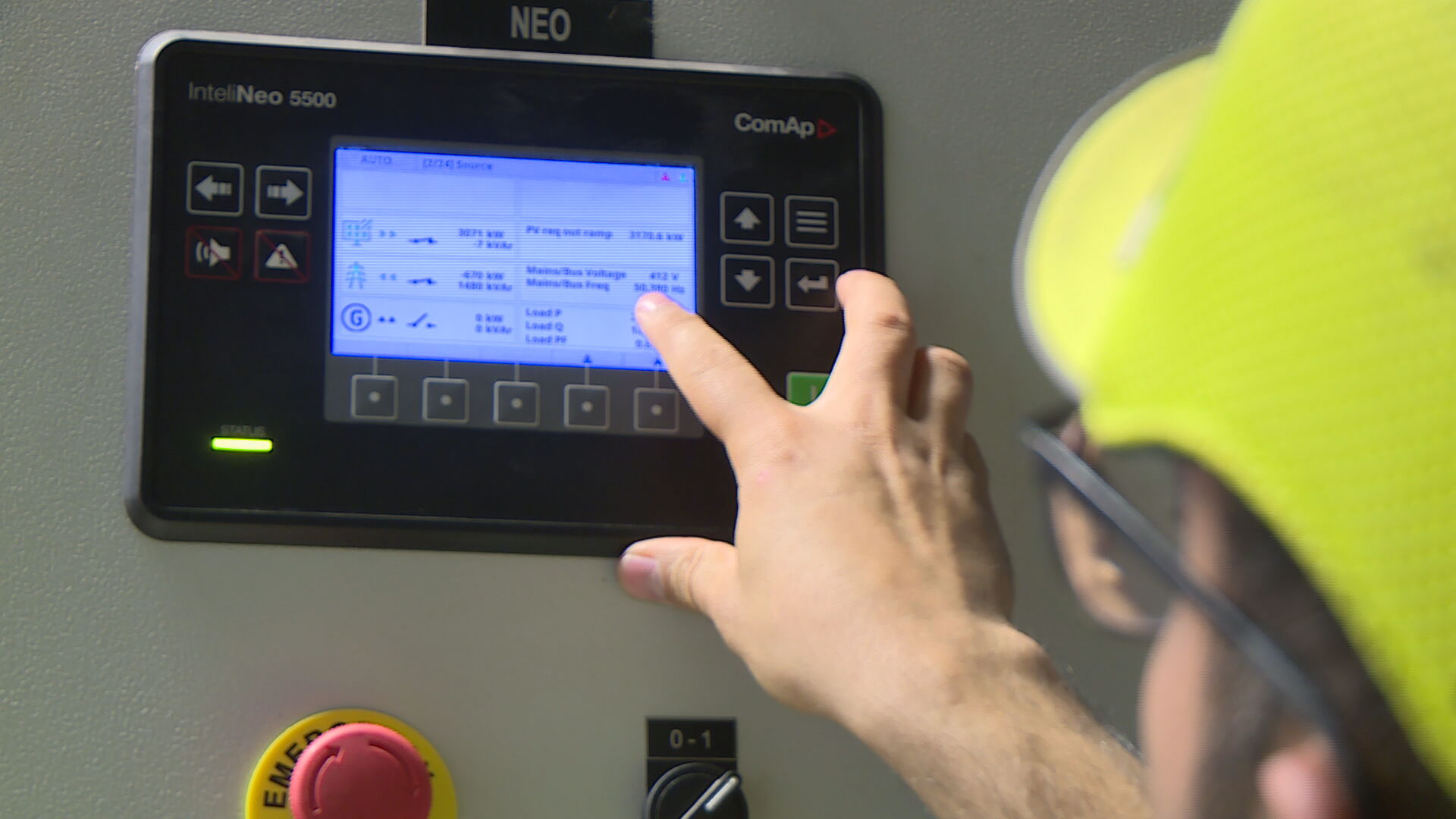
Maintaining the facility requires strict technical oversight to ensure continuous and reliable energy output. An engineer working at the site told Kurdistan24 that technical teams conduct inspections every one to two hours as part of their daily operational routine.
According to the technician, these regular evaluations are necessary to monitor key performance parameters, including overall production rates, voltage, and amperage.
The engineer noted that the technical team also carefully tracks the exact amount of excess power being supplied back into the government's electrical grid.
The report indicated that this rigorous hourly oversight underscores the importance of reliability and precise integration when managing large-scale solar energy systems.
Private Sector and Government Cooperation
The successful deployment of the solar facility relied heavily on institutional coordination between the private sector and regional authorities.
The project manager emphasized to Kurdistan24 that the construction and implementation phases were conducted in direct cooperation with the Kurdistan Regional Government (KRG).
According to the official's remarks, the company received crucial administrative support derived from the KRG cabinet's policies promoting the diversification of energy sources and environmental protection.
The manager told Kurdistan24 that the company only commenced the project after navigating the required administrative channels and securing all necessary approvals from the government, highlighting an organized regulatory environment designed to facilitate renewable energy investments.
Energy Diversification Efforts
The industrial solar plant fits into a wider framework of environmental and energy transition initiatives.
The Kurdistan24 reporter observed that governments globally are actively attempting to mitigate climate change and reduce ecological damage, a strategic approach that regional authorities in Erbil are also adopting.
Abdul Samad noted in his reporting that the KRG consistently backs projects focused on generating electricity through solar power.
These initiatives are part of an ongoing administrative effort to ensure the local environment remains clean while gradually transitioning the region's energy infrastructure away from traditional, carbon-intensive power sources.