Iran Forms New Authority to Manage Strait of Hormuz as War Talks Stall and Regional Tensions Persist
Mediated U.S.–Iran exchanges continue through Pakistan as both sides trade competing proposals
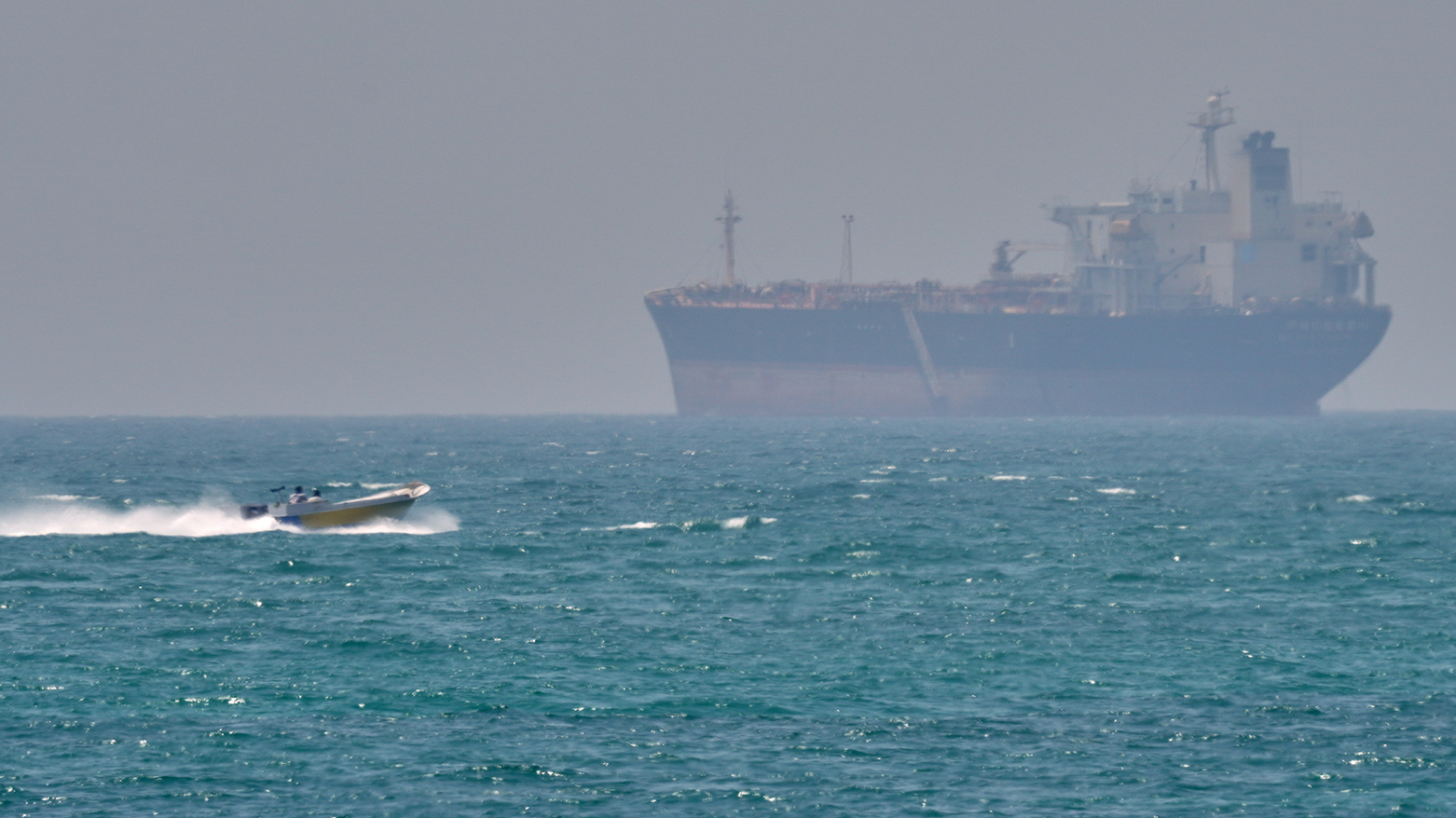
ERBIL (Kurdistan24) — Iran announced Monday the creation of a new body tasked with managing operations in the Strait of Hormuz, a strategic waterway that Tehran has effectively restricted since the outbreak of its conflict with the United States and regional allies earlier this year.
The Supreme National Security Council said on its official X account that the newly established “Persian Gulf Strait Authority” (PGSA) would provide “real-time updates on the #Hormuz_Strait operations and latest developments.” The announcement was also shared by the official account of the naval arm of Iran’s Islamic Revolutionary Guard Corps (IRGC), signaling coordination between state security institutions.
The move comes amid ongoing tensions over maritime security in the Gulf and reports that Iran intends to introduce a fee system for vessels passing through the Strait of Hormuz, one of the world’s most important energy chokepoints.
At the same time, diplomatic efforts to end the broader conflict between Washington and Tehran continue, though with limited progress.
A Pakistani source told Reuters that Islamabad has delivered a revised Iranian proposal to the United States aimed at ending the war in the Middle East. However, the source warned that negotiations remain fragile.
“We don’t have much time,” the source said, adding that both sides were repeatedly changing their positions and negotiating terms.
Pakistan has been acting as an intermediary as formal U.S.–Iran negotiations remain stalled following only one official round of talks, despite a fragile ceasefire in place since April 8.
Iranian foreign ministry spokesman Esmaeil Baqaei on Monday confirmed that exchanges were still ongoing through Pakistani mediation. He said Iran had already conveyed its concerns to Washington and that talks were continuing without further details being disclosed.
Baqaei defended Tehran’s negotiating position, including demands for the release of frozen Iranian assets abroad and the lifting of long-standing sanctions imposed on the country.
He also reiterated Iran’s demand for war reparations, describing the conflict as “illegal and baseless,” and emphasized that Tehran was “fully prepared for any eventuality” if diplomacy fails.
Iranian officials argue that their proposals reflect long-standing economic and security grievances, while accusing Washington of maintaining maximalist demands that hinder progress.
According to Iranian media reports, Washington recently presented a five-point proposal that includes restricting Iran to operating only one nuclear facility and transferring its highly enriched uranium stockpile to U.S. custody.
Iranian outlets also reported that the United States has rejected demands to release frozen Iranian assets in full or provide compensation for wartime damages, further deepening disagreements.
Fars News Agency said the U.S. position signaled that Washington would only end hostilities if Tehran formally entered peace negotiations under strict conditions.
Iran’s Mehr News Agency described the U.S. proposals as “excessive,” arguing that Washington is seeking concessions it failed to secure during the war, potentially pushing negotiations toward an impasse.
Earlier Iranian proposals reportedly called for a comprehensive ceasefire, including an end to Israeli military operations in Lebanon, an end to the U.S. naval blockade on Iranian ports imposed in April, and full sanctions relief alongside the release of frozen assets.
Tehran has also insisted it will retain control over the Strait of Hormuz, underscoring the waterway’s continued strategic importance even as diplomatic negotiations remain unresolved.
The diplomatic standoff comes as the region remains under a fragile ceasefire agreement reached earlier in April, with intermittent tensions still reported across multiple fronts.
While mediators, including Pakistan, continue to shuttle proposals between Washington and Tehran, both sides appear entrenched in their positions, raising concerns that the conflict could persist or escalate if negotiations collapse.
For now, the combination of maritime restructuring in the Gulf and stalled diplomacy highlights the deep uncertainty surrounding one of the most volatile geopolitical confrontations in recent years.