WHO Raises Alarm Over Rapidly Expanding Ebola Outbreak in DR Congo
The World Health Organization says it is evaluating whether candidate vaccines and treatments can be deployed in response to the latest Ebola outbreak in the Democratic Republic of Congo.
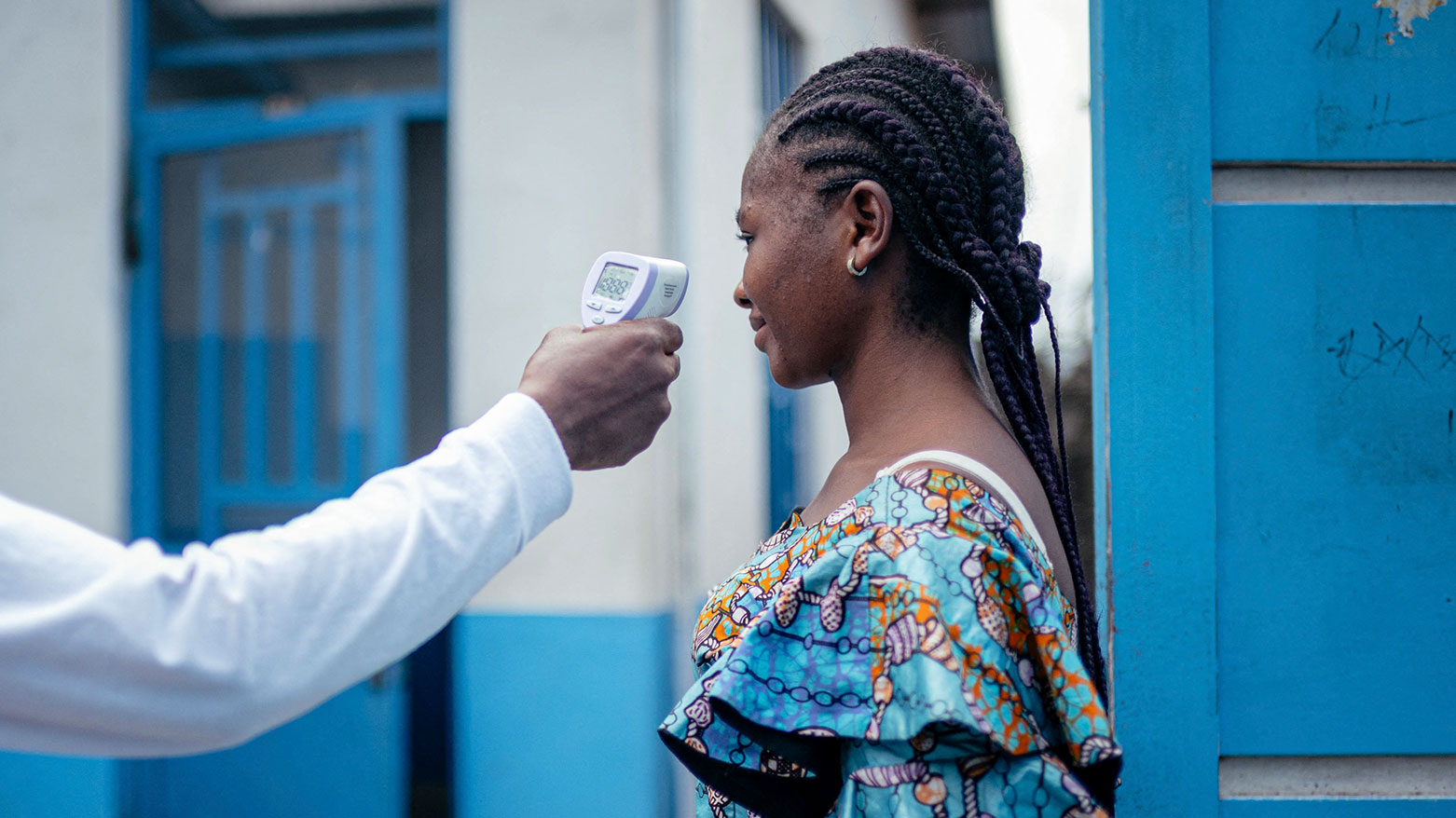
ERBIL (Kurdistan24) - The World Health Organization (WHO) has officially declared a highly contagious Ebola outbreak in the Democratic Republic of the Congo (DRC) to be a public health emergency of international concern. According to reporting by Agence France-Presse (AFP) on Tuesday, global health officials are increasingly alarmed by the rapid transmission of the virus, which has already claimed an estimated 131 lives across affected regions.
The determination serves as the WHO's highest level of global health alert, mobilizing international resources to combat an outbreak complicated by significant geographic, medical, and security challenges.
The severity of the current crisis is rooted in the specific nature of the pathogen involved.
The AFP report notes that the outbreak is caused by the Bundibugyo strain of the Ebola virus, a variant for which there are currently no approved vaccines or targeted therapeutic treatments.
The lack of medical countermeasures severely hinders standard outbreak control protocols. Furthermore, the epicenter of the outbreak is situated in an area plagued by active conflict and high population mobility, creating a complex humanitarian and epidemiological environment where tracing and containing the virus is exceptionally difficult.
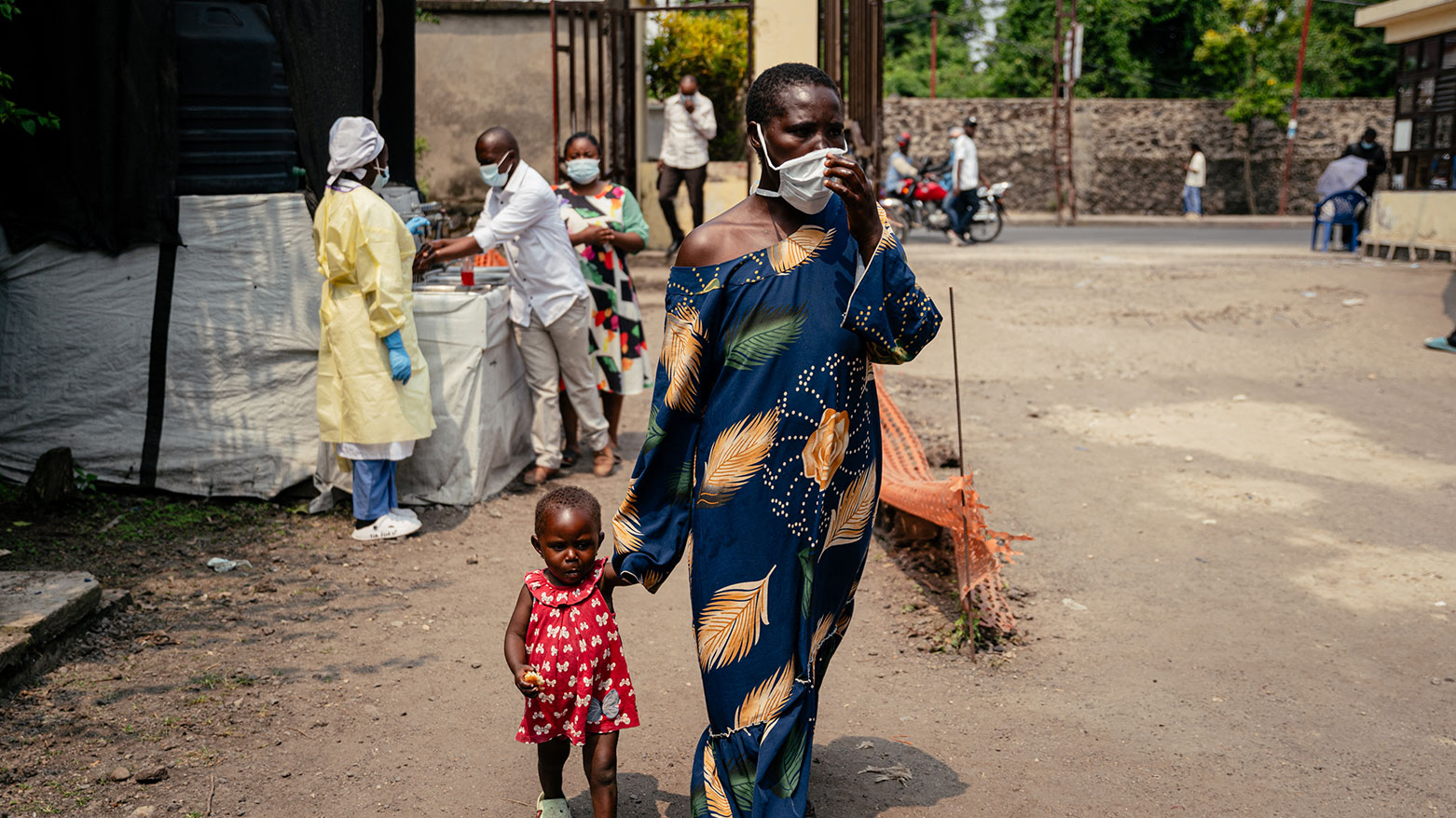
The situation has prompted immediate institutional action.
WHO Director-General Tedros Adhanom Ghebreyesus stated that the decision to escalate the emergency alert was not taken lightly, emphasizing the urgent need for cross-border cooperation.
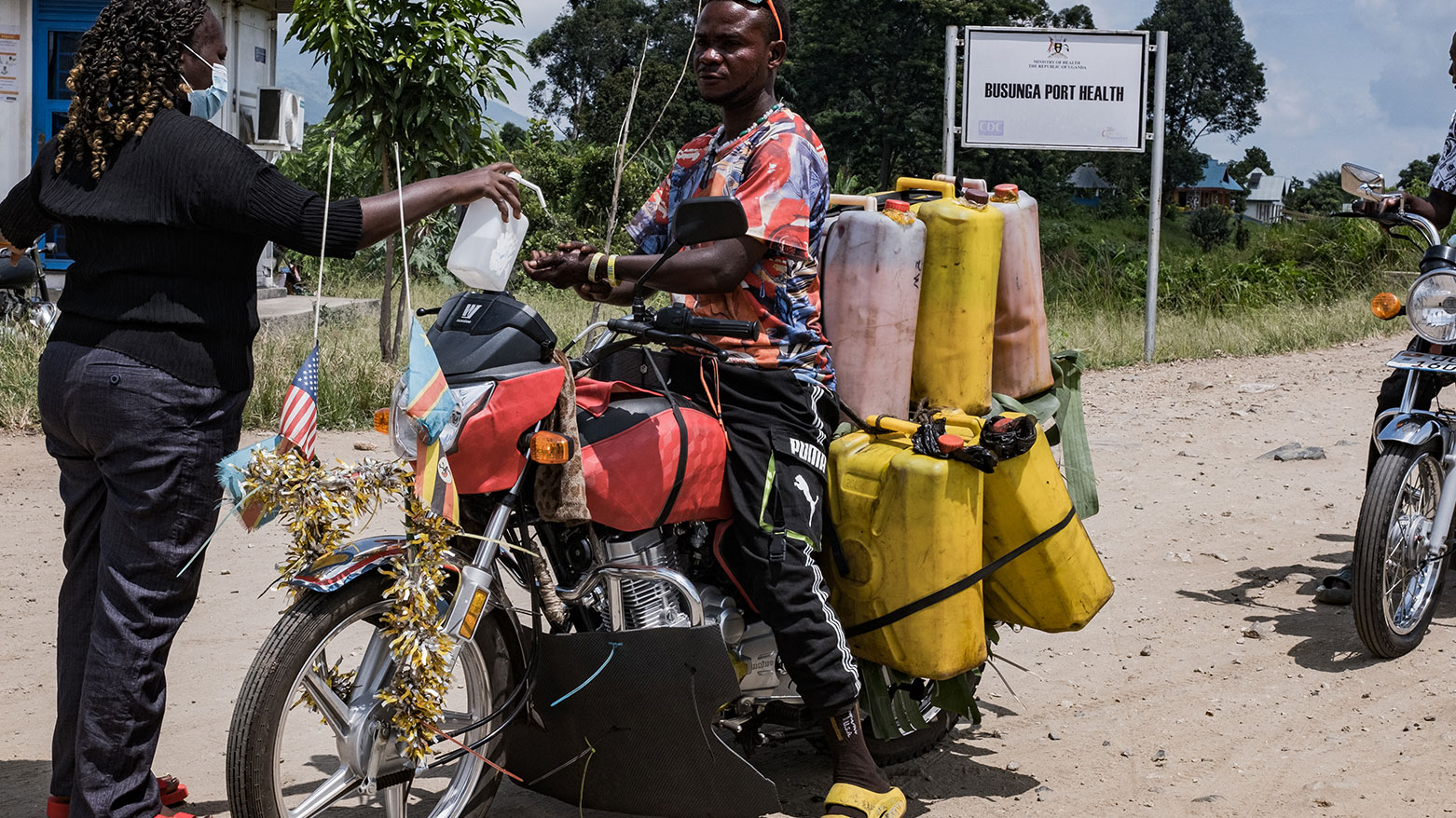
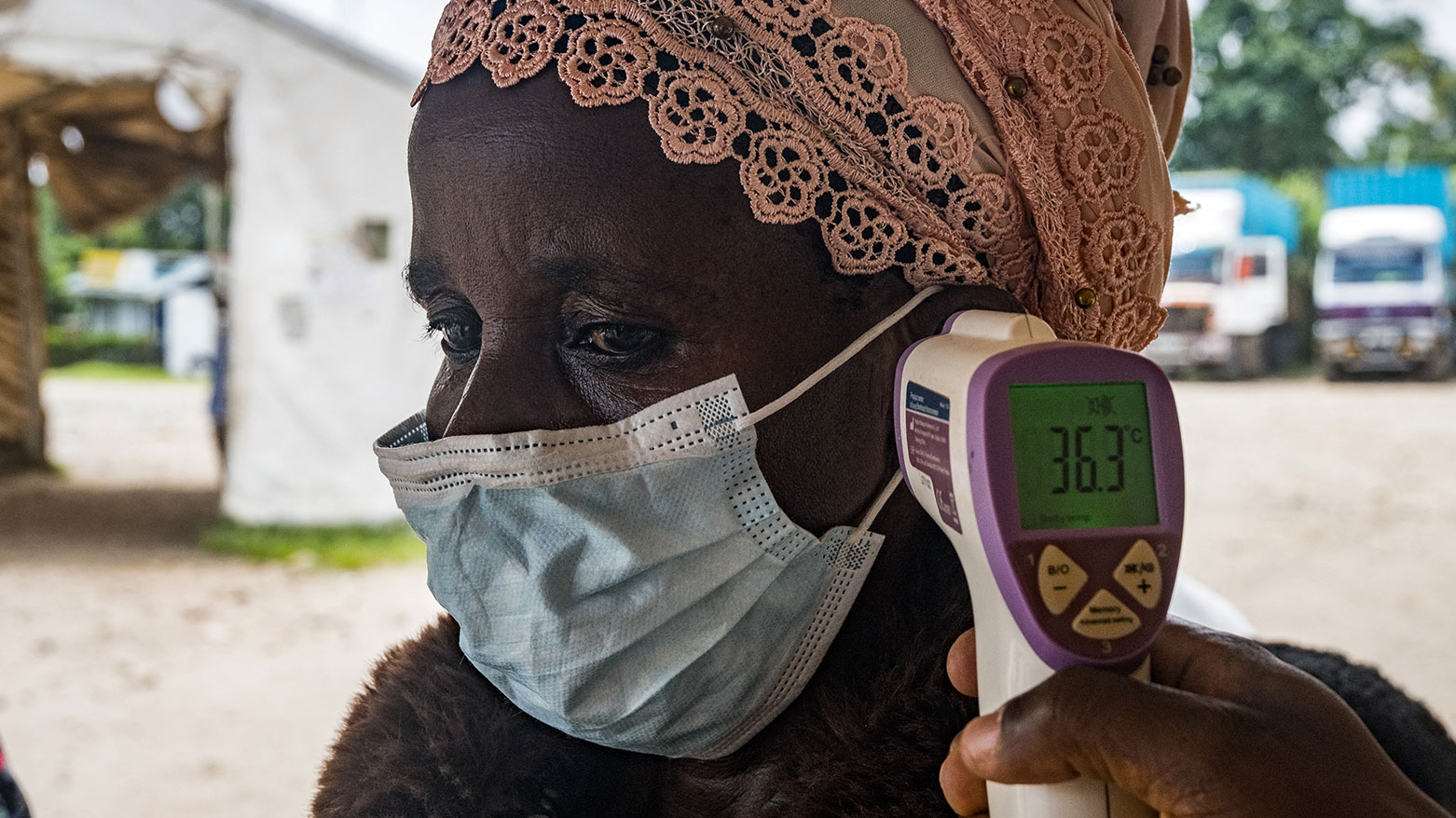
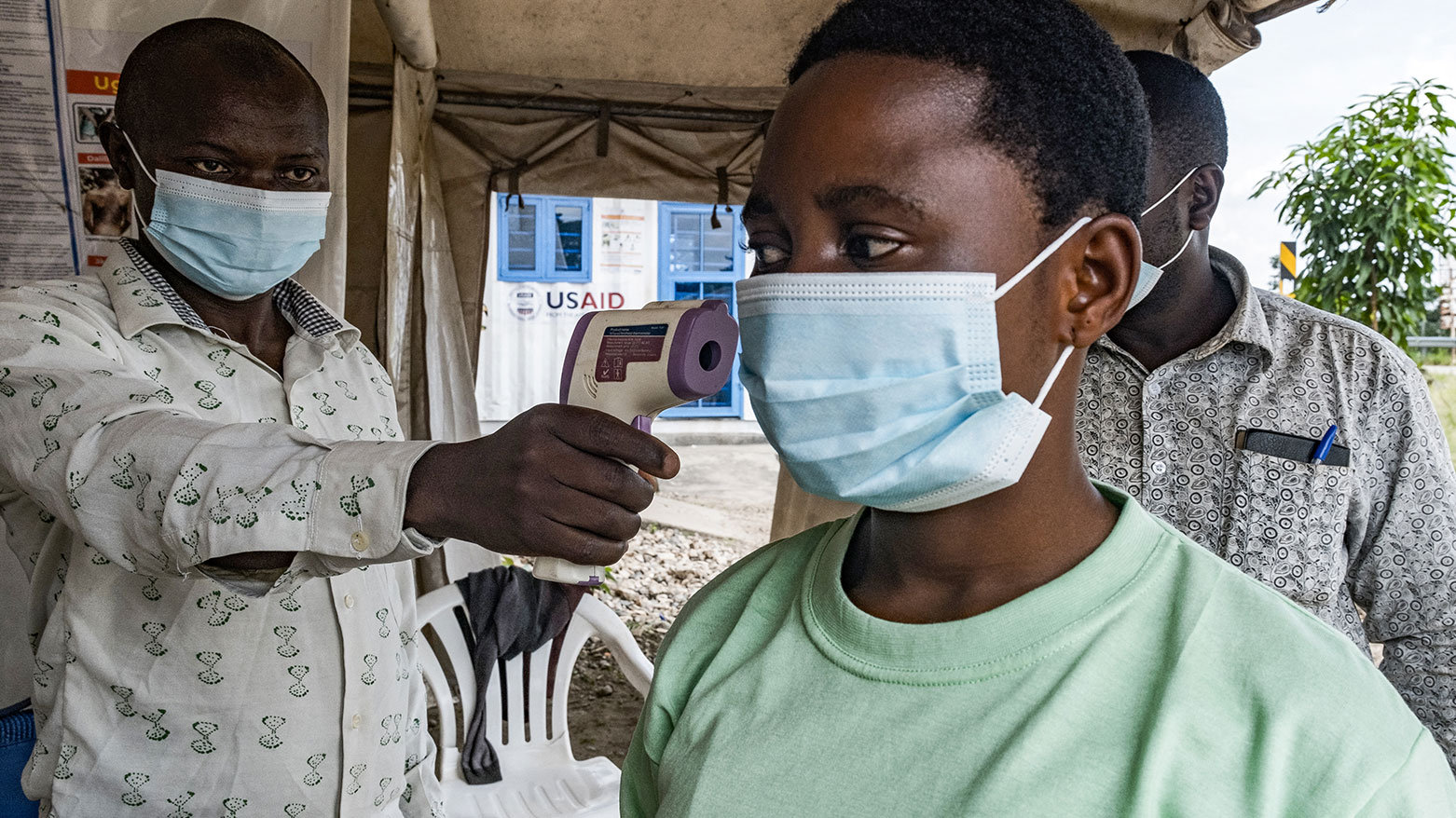
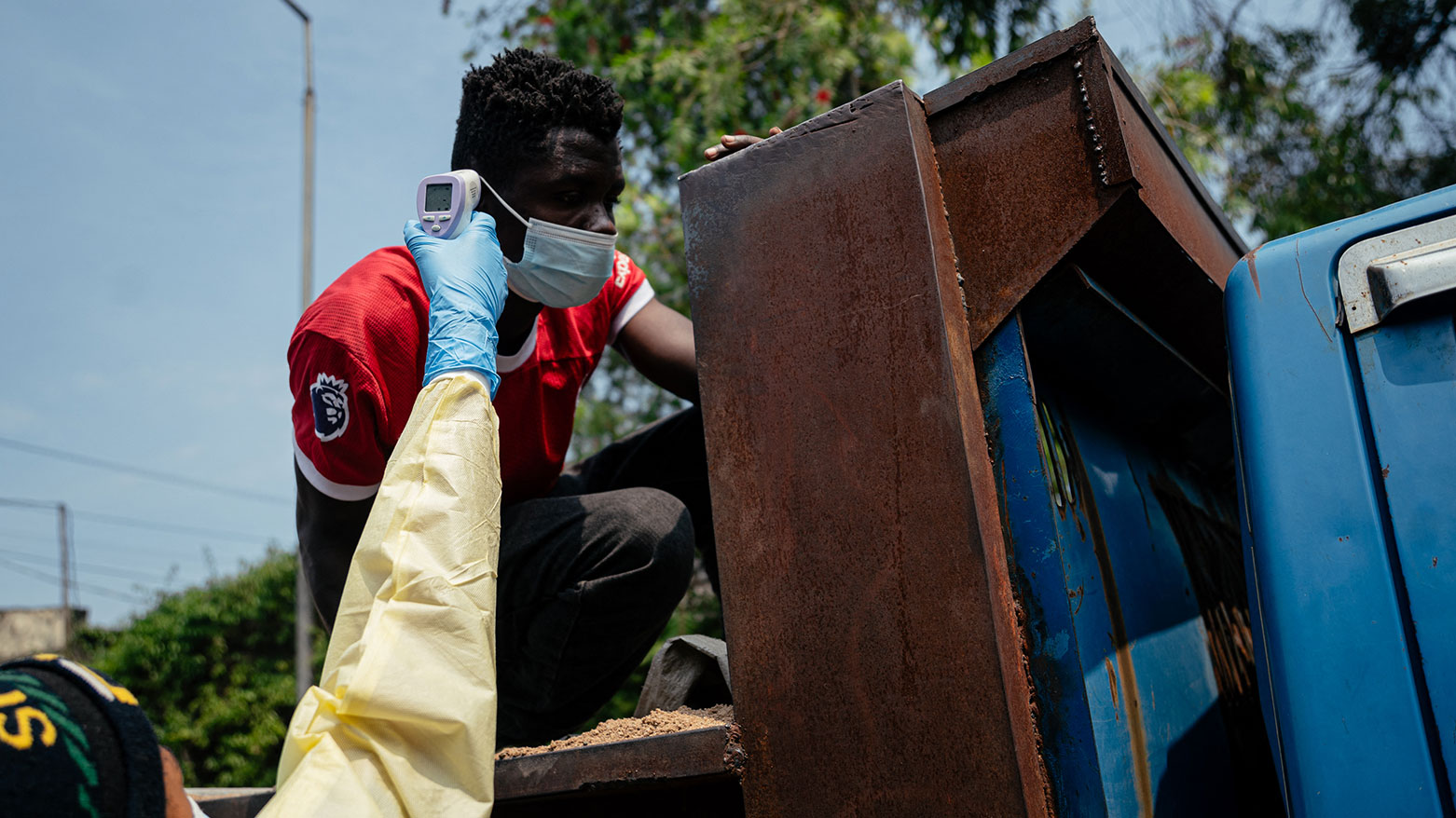
As the virus begins to spread beyond the eastern Congo into neighboring states, health ministries worldwide are moving to implement screening measures and secure their borders against further international transmission.
WHO Emergency Warning and Outbreak Scale
The acceleration of the outbreak has drawn intense scrutiny from global health monitoring bodies.
Speaking at the World Health Assembly in Geneva on Tuesday, Tedros articulated profound concerns regarding the trajectory of the disease.
"I'm deeply concerned about the scale and speed of the epidemic," the WHO chief stated, according to AFP.
His remarks underscored the critical need for a coordinated, multinational response to halt the virus's momentum.
The human cost of the outbreak is mounting rapidly. Congolese Health Minister Samuel Roger Kamba stated on national television that authorities had recorded approximately 131 deaths and 513 suspected cases, according to the AFP report.
These figures represent a sharp increase from late last week, when the toll stood at 91 dead out of 350 suspected cases.
However, Kamba clarified that the reported fatalities encompass all deaths identified within affected communities, noting that not all may ultimately be linked to Ebola.
The reliance on suspected case numbers reflects significant logistical constraints on the ground.
AFP reported that the outbreak is largely concentrated in hard-to-access areas, resulting in very few samples undergoing rigorous laboratory testing. Tedros confirmed that only 30 cases have been definitively proven to be Ebola within the primary hotspot thus far.
Geographic Spread and Regional Risk
The geographical epicenter of the outbreak is located in the northeastern Ituri province, which shares borders with Uganda and South Sudan.
According to AFP, Ituri serves as a major gold-mining hub, facilitating a constant flow of transient workers crisscrossing the region.
This high population mobility, combined with years of persistent clashes between local militias, creates an optimal environment for viral spread and severely complicates public health surveillance efforts.
The virus has already breached the initial containment zones. Minister Kamba reported that suspected cases have emerged in the commercial hub of Butembo, located in the neighboring North Kivu province, approximately 200 kilometers from ground zero.
More alarmingly, AFP reported that a case has been recorded in Goma, the provincial capital of North Kivu, an area currently under the control of the Rwanda-backed M23 armed group.
The presence of the virus in major population centers and conflict zones significantly elevates the risk of widespread regional transmission.
Medical Challenges and Public Health Concerns
The effort to contain the Bundibugyo strain is hindered by both medical limitations and social factors.
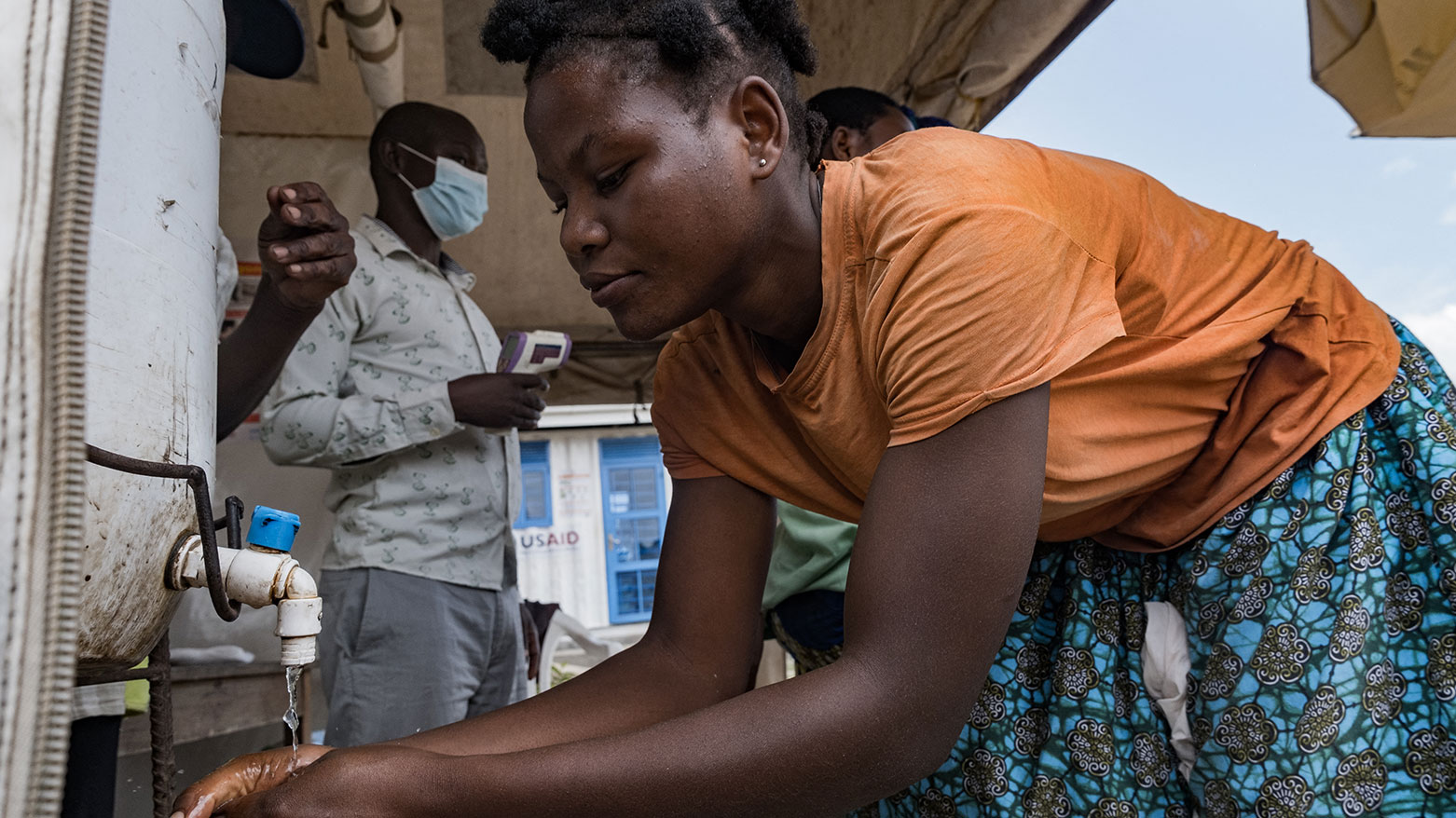
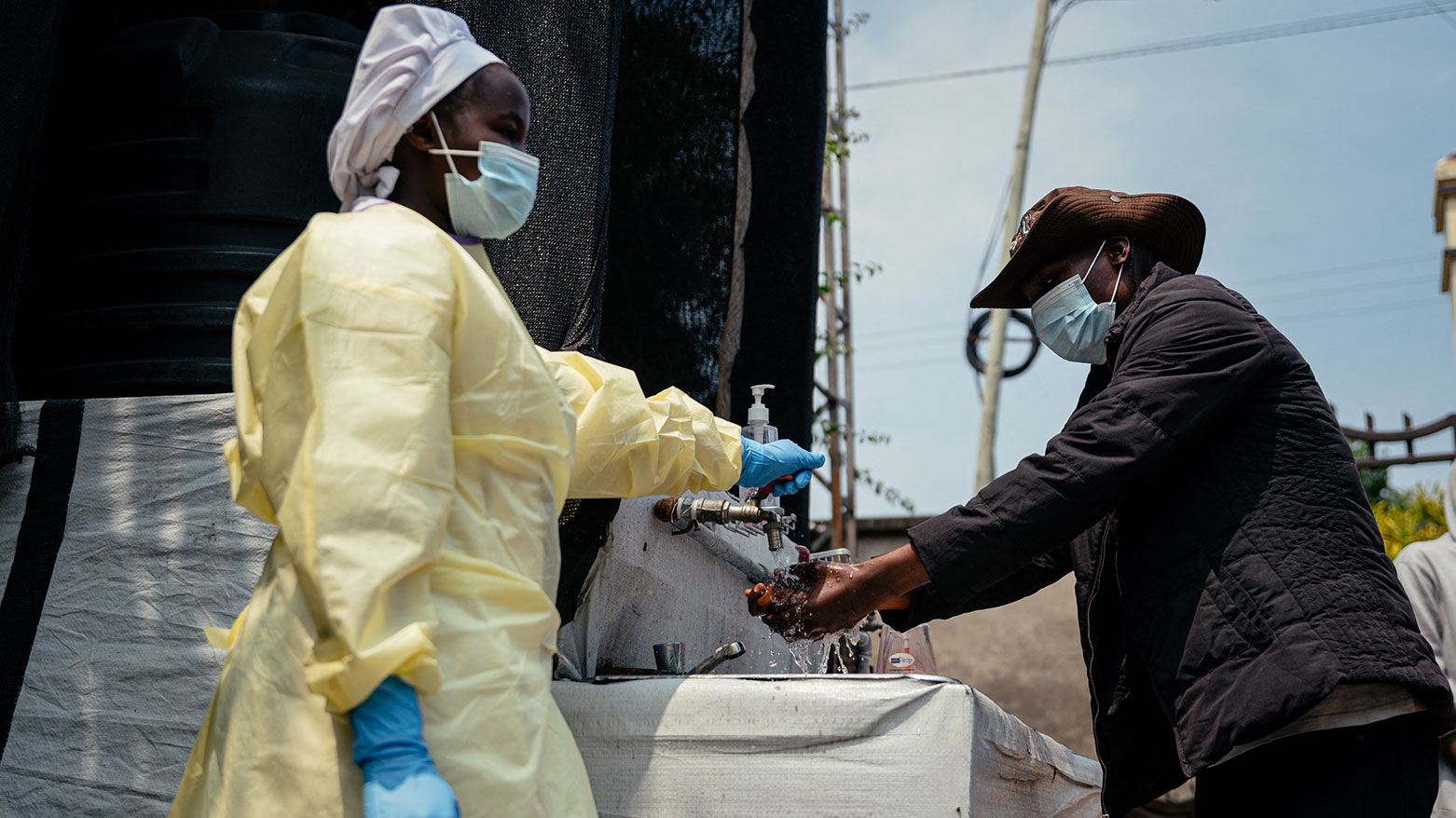
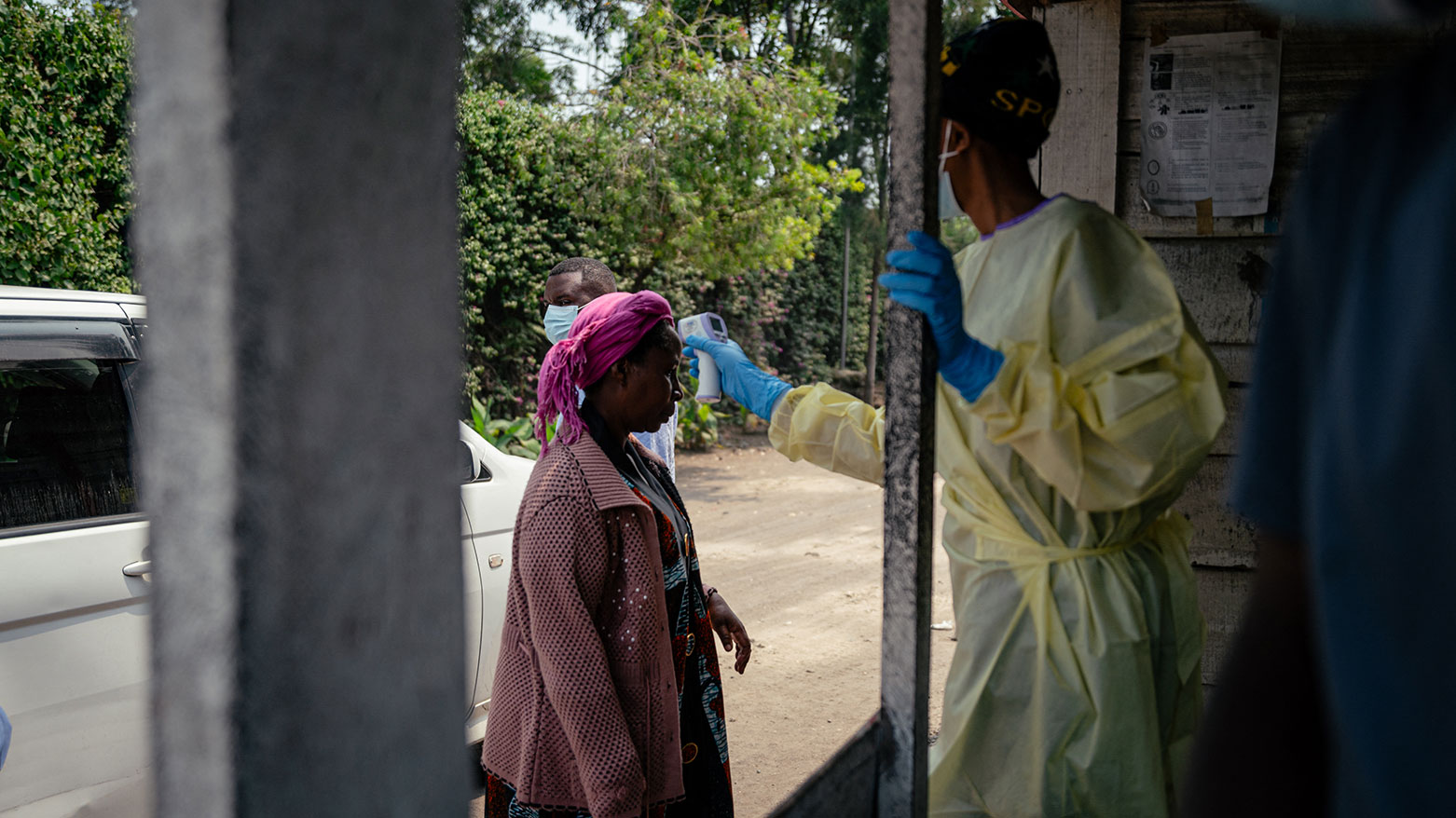
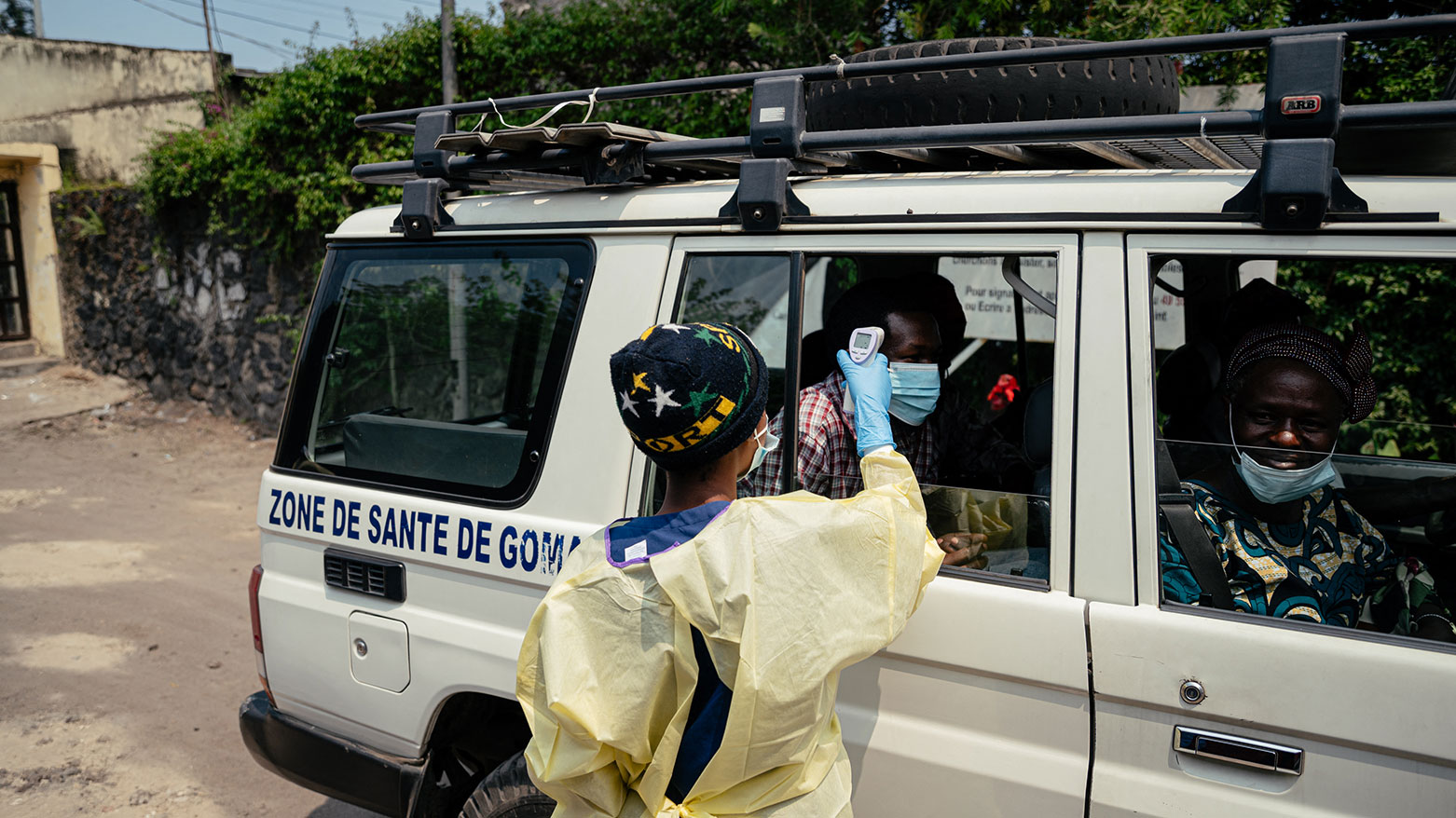
Without viable vaccines or therapeutics, healthcare workers must rely on strict isolation protocols, contact tracing, and supportive care to manage the outbreak.
These standard public health measures were delayed by initial misinterpretations of the disease within the affected communities.
According to Kamba's remarks cited by AFP, the early alert was slow to circulate because local populations believed they were dealing with a "mystical illness."
Consequently, many sick individuals were not brought to hospitals, allowing the virus to spread unchecked before health authorities could intervene.
This delay highlights the critical role of community engagement and transparent public health messaging in managing infectious disease outbreaks.
International Response and Containment Measures
The international health community has initiated a rapid escalation of resources to address the crisis.
The Africa Centres for Disease Control and Prevention (Africa CDC), headquartered in Ethiopia, declared the outbreak a continental public health emergency, enabling the deployment of emergency response teams and expanded surveillance operations across the continent, according to AFP.
The risk of international transmission was confirmed when Tedros announced that Uganda had notified the WHO of two confirmed cases in the capital city of Kampala.
These cases, which include one fatality, involved individuals who had traveled from the DRC.
The United States has also reported a domestic connection to the outbreak. The U.S. Centers for Disease Control and Prevention (CDC) confirmed that an American citizen tested positive for the virus following occupational exposure in the DRC.
The individual is scheduled to be transported to Germany for specialized treatment, according to statements from the German health ministry cited by AFP.
In response, the U.S. has implemented enhanced precautions, including screening air passengers arriving from affected areas and temporarily suspending certain visa services.
Historical Context of Ebola in the DRC
Ebola is a highly lethal viral disease transmitted through direct contact with bodily fluids, capable of causing severe internal bleeding and organ failure.
Since its initial identification in 1976, the virus has repeatedly afflicted the African continent.
According to AFP, various strains of Ebola have killed more than 15,000 people across Africa over the past half-century.
The current emergency marks the 17th Ebola outbreak in the Democratic Republic of Congo, a nation of over 100 million people.
The country previously endured its deadliest outbreak between 2018 and 2020, which claimed nearly 2,300 lives from approximately 3,500 cases.
A more recent, smaller outbreak between September and December of last year resulted in 45 fatalities, according to WHO data cited by AFP.
As the World Health Organization and regional bodies intensify their response, the ongoing Ebola outbreak highlights the extreme difficulty of containing infectious diseases in conflict-affected regions.
The situation underscores the urgent need for international coordination, rapid surveillance deployment, and robust community trust to prevent further loss of life.