Iraq Fortifies Over 300km of Syrian Border With Concrete Wall
Baghdad expands concrete walls and thermal surveillance to combat infiltration and smuggling.
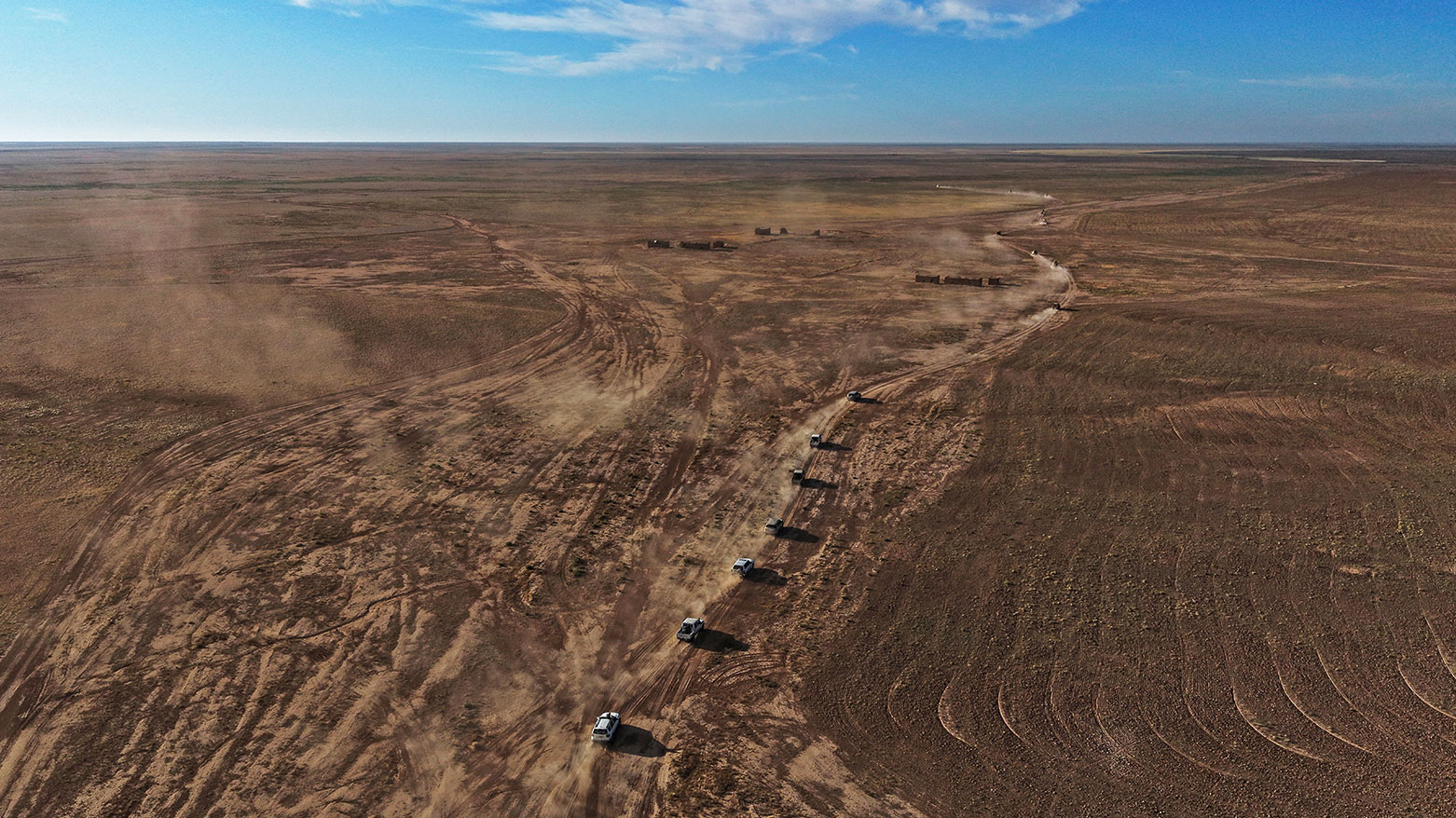
ERBIL (Kurdistan24) - The Iraqi government has fortified more than 300 kilometers of its shared boundary with Syria using a newly constructed concrete wall, marking a significant milestone in an expansive national security campaign.
According to statements by Iraqi Ministry of Interior spokesperson Miqdad Miri, the border control project remains actively ongoing, reflecting Baghdad's urgent prioritization of border defense and its evolving posture against transnational threats.
During a recent press conference, Miri detailed the extensive scale of the operations executed between Jan. 1 and May 1, 2026.
According to the Ministry of Interior, the physical concrete barriers are heavily reinforced by a modernized surveillance network, which includes the deployment of 950 thermal cameras and 970 wire fencing systems.
The security overhaul also incorporates the excavation of deep trench networks and the reconstruction of numerous concrete watchtowers along the frontier.
Furthermore, Iraqi officials emphasized new logistical support measures designed to sustain border forces in harsh, remote environments.
According to the report, authorities have drilled 240 water wells and integrated solar energy systems to provide reliable power to off-grid security installations.
This comprehensive infrastructure upgrade addresses the historically porous nature of the roughly 620-kilometer Iraq-Syria border.
According to Kurdistan24 reporting, the frontier has represented a critical security vulnerability for decades.
Following the events of 2003, the border served as a primary transit corridor for Al-Qaeda militants entering Iraq.
The subsequent outbreak of the Syrian Civil War in 2011 caused a total collapse of border authority on the Syrian side, an instability that culminated in 2014 when ISIS fighters crossed from Deir ez-Zor to occupy Mosul and vast swaths of Iraqi territory.
By erecting this formidable concrete barrier, the Iraqi government is attempting to mitigate three principal security challenges.
First, authorities aim to prevent further infiltration by ISIS remnants, who continue to operate in the remote desert regions of eastern Syria.
Second, the wall is intended to disrupt transnational narcotics smuggling; as Syria has become a major production hub for Captagon, Iraq is utilizing the fortified border to combat the trafficking of the illicit stimulant.
Finally, the Ministry of Interior seeks to assert strict state control over cross-border transit to prevent militias and unauthorized armed groups from moving weapons and explosives into the country.
The border project highlights Baghdad's broader effort to reinforce state authority over unauthorized cross-border activity.
By deploying thermal surveillance and physical barricades, the government is attempting to insulate domestic security from the ongoing instability in adjacent Syrian desert regions.
Iraq's expansive border fortification campaign represents a concerted effort to strengthen long-term defense capabilities, emphasizing modernized surveillance and counterterrorism measures as the state navigates the persistent security pressures tied to its turbulent western frontier.