Kurdistan Citizens Optimistic About Prime Minister's Visit to Baghdad
Citizens in Kurdistan expressed optimism over Prime Minister Masrour Barzani's visit to Baghdad, hoping it will resolve long-standing disputes with the federal government over salaries, budgets, oil revenues, and constitutional issues, including Article 140, as talks begin.
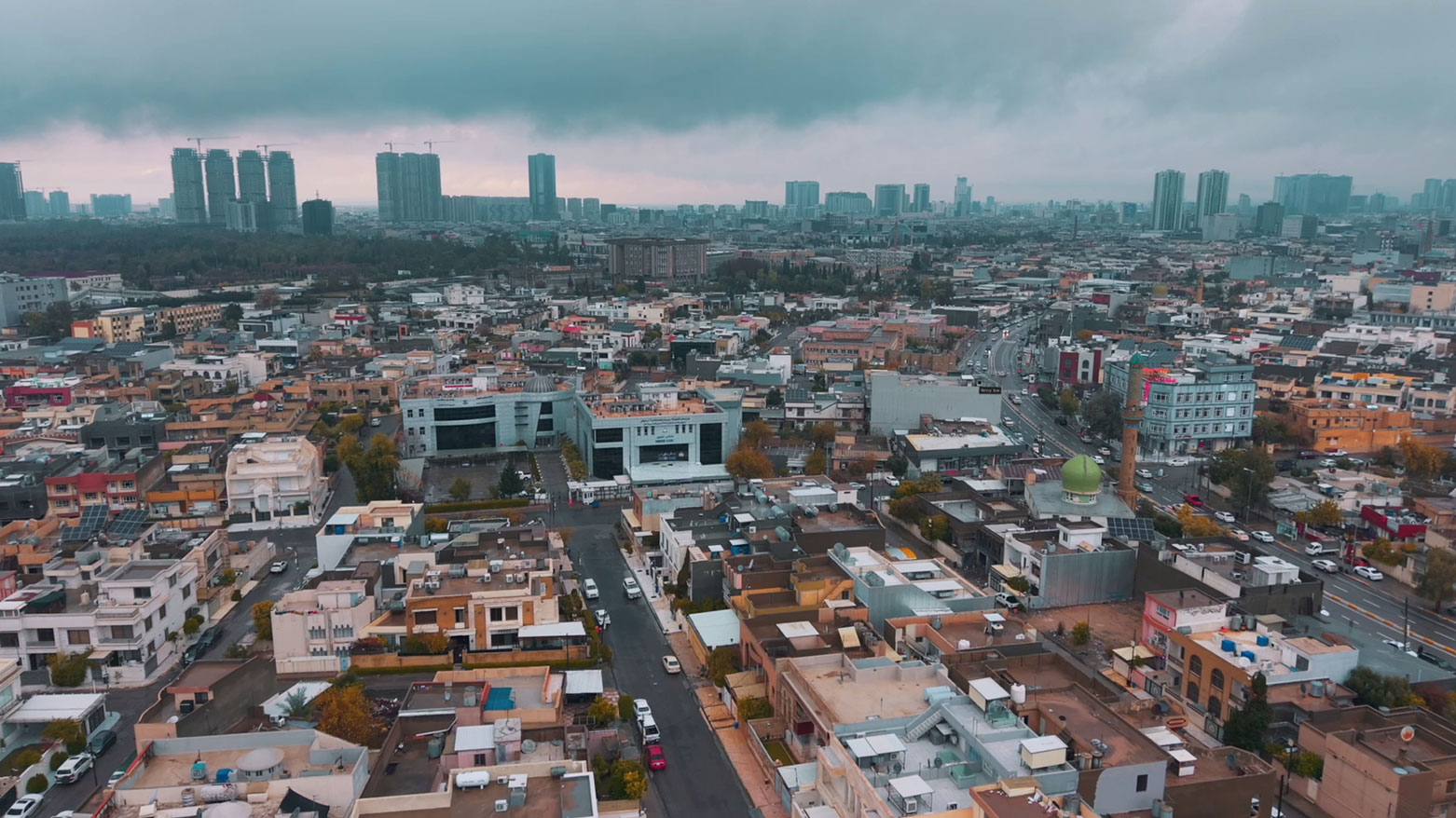
ERBIL (Kurdistan24) - Citizens across the Kurdistan Region are expressing significant optimism regarding Prime Minister Masrour Barzani's high-level visit to Baghdad on Saturday. Public expectations are centered on the Prime Minister's perceived ability to resolve long-standing disputes between the Kurdistan Regional Government (KRG) and the federal government, particularly concerning civil service salaries, budget allocations, and constitutional rights.
The visit is widely viewed by the public as a decisive political engagement aimed at addressing the complex administrative and financial hurdles that have historically hindered relations between Erbil and Baghdad.
As the Prime Minister enters two days of consultations with federal leaders, many in the Kurdistan Region see this mission as a potential turning point for economic and political stability.
Public confidence in diplomatic resolution
Among the general public, there is a prevailing sentiment that the Prime Minister's personal involvement and diplomatic experience are critical for "untangling" the complicated issues that have stalled past negotiations.
Citizens have described the Prime Minister as a figure capable of reopening diplomatic channels that were previously considered deadlocked.
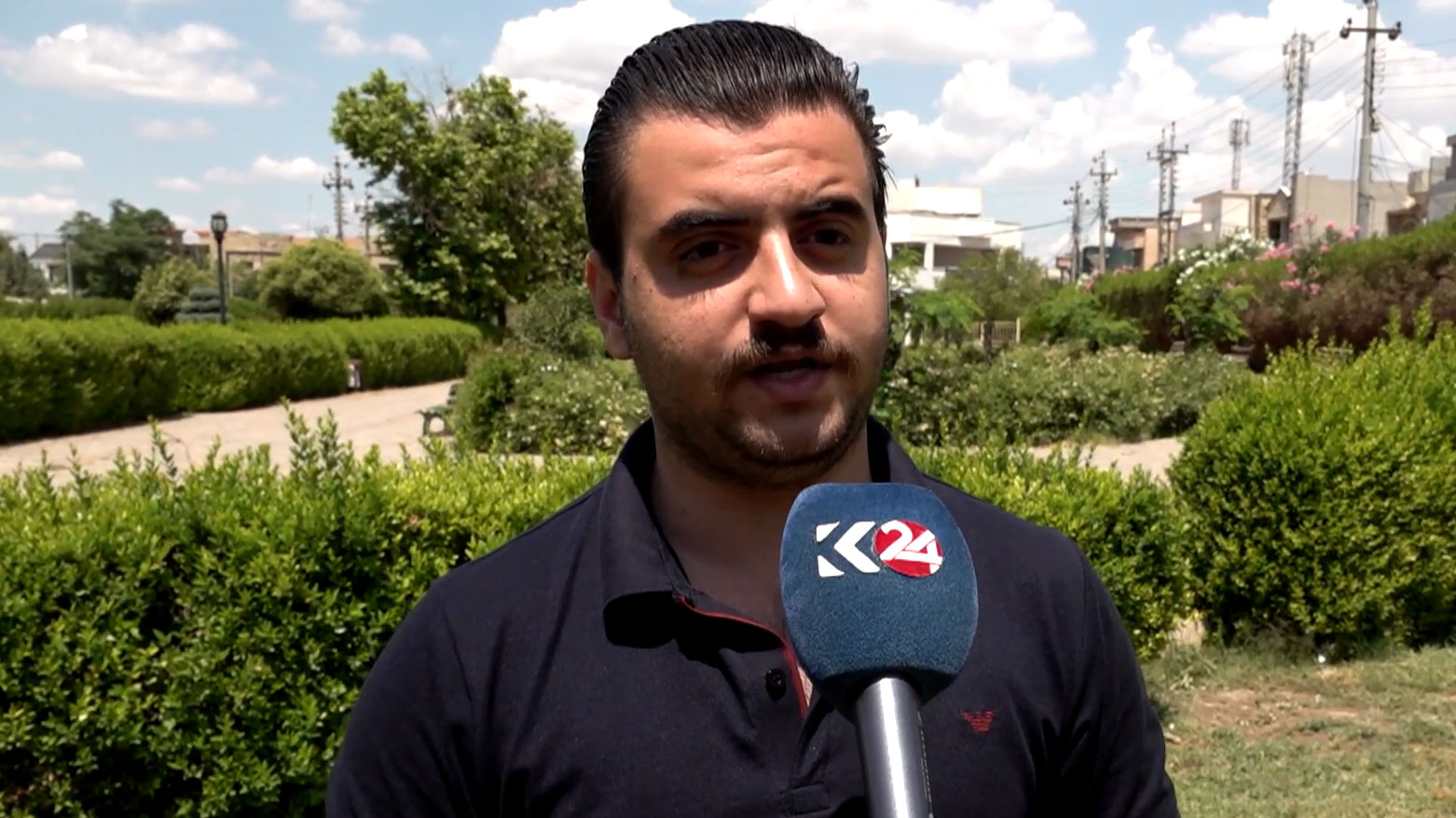
Hejar Faris, a citizen in Erbil, told Kurdistan24 that the public is increasingly convinced that the Prime Minister can effectively manage the pending files in Baghdad.
"The people in general have reached the conviction that His Excellency Masrour Barzani personally can solve all the pending issues between Baghdad and the Kurdistan Region," Faris said, adding that the street has built "great hopes" upon the results of this trip.
This sense of confidence is echoed by Nureddin Ala, who cited the Prime Minister's past performance in reconstruction and international diplomacy as a reason for his optimism.
"He can open these closed doors because he has had experience in politics and diplomacy," Ala noted.
He highlighted that previous diplomatic missions abroad have successfully resolved trade and political issues, leading to expectations for a similar outcome in the federal capital.
Timing and formal agreements
The timing of the visit is also a focal point for the public, coinciding with the early stages of federal government formation in Iraq.
Rabar Anwar, another citizen, pointed out that the current political environment provides an appropriate moment for a comprehensive settlement.
"We hope a comprehensive agreement is made on all matters related to the people's income," Anwar said, emphasizing that citizens want to see previous verbal understandings formalized into written, implemented agreements.
Furthermore, issues such as the implementation of Article 140 of the Iraqi Constitution, which addresses Kurdistani territories, remain high on the public agenda.
Fakhri Shahab expressed hope that the Prime Minister would return with "blessed hands," ensuring that the formation of any new federal cabinet aligns with the interests and rights of the people of both the Kurdistan Region and Iraq as a whole.
Economic and institutional expectations
The visit has also garnered attention from various professional sectors and experts who view the diplomatic mission as essential for the Region's economic trajectory.
Key agenda items are expected to include the normalization of salary payments, the regular transfer of budget shares, and the establishment of sustainable mechanisms for oil revenue management.
Kamaran Mohammed, a member of the Erbil Chamber of Commerce, told Kurdistan24 that the Prime Minister has successfully maintained a positive image for the Kurdistan Region both domestically and internationally.
"This visit is another step toward strengthening political and economic relations," Mohammed stated.
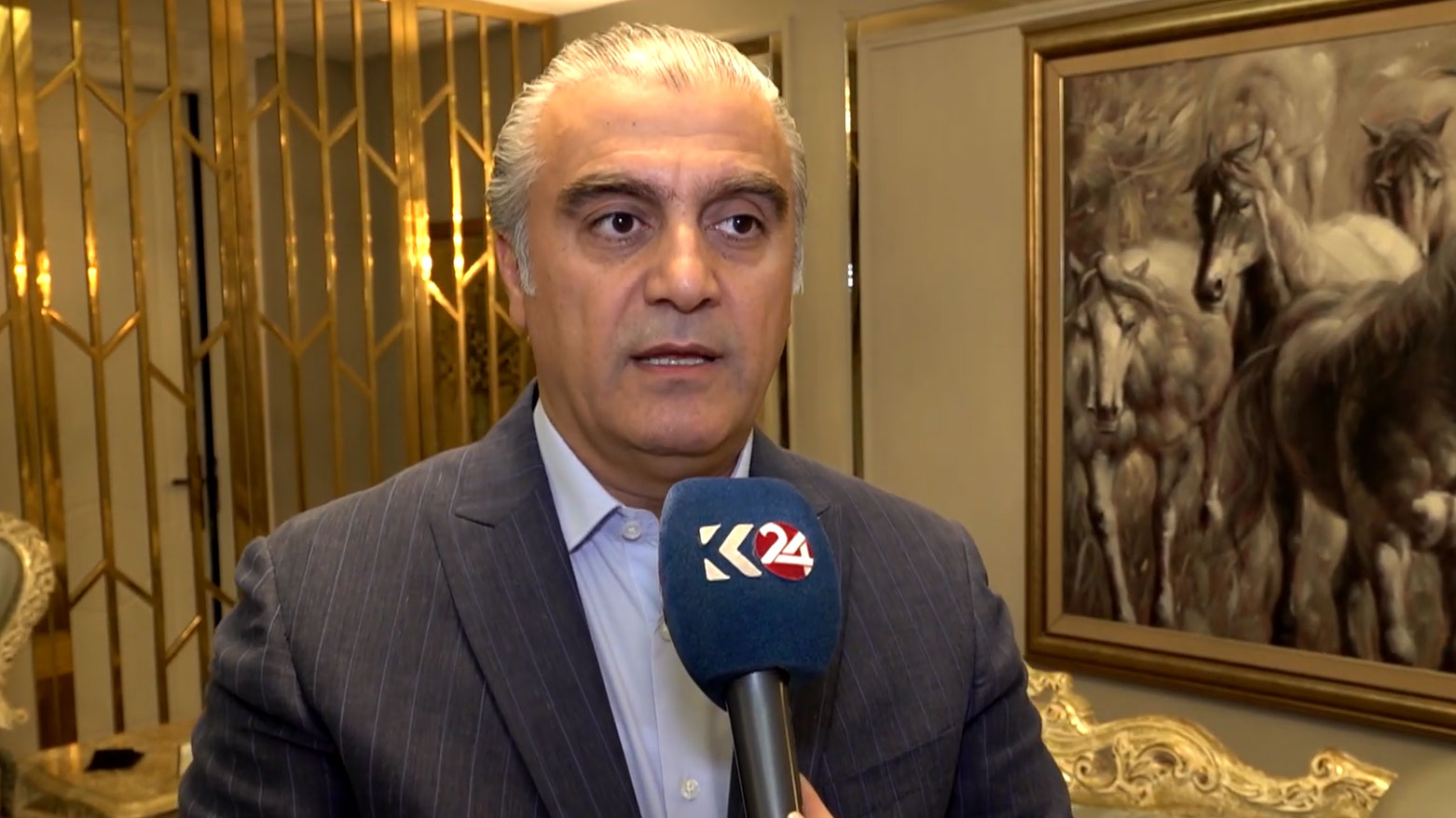
Similarly, sector representatives emphasized the importance of protecting the legal rights of the population.
Abdullah Akram, Deputy Head of the Jewelers Union, noted that the public is waiting for concrete results because the Prime Minister "has always emphasized protecting the rights and interests of the citizens."
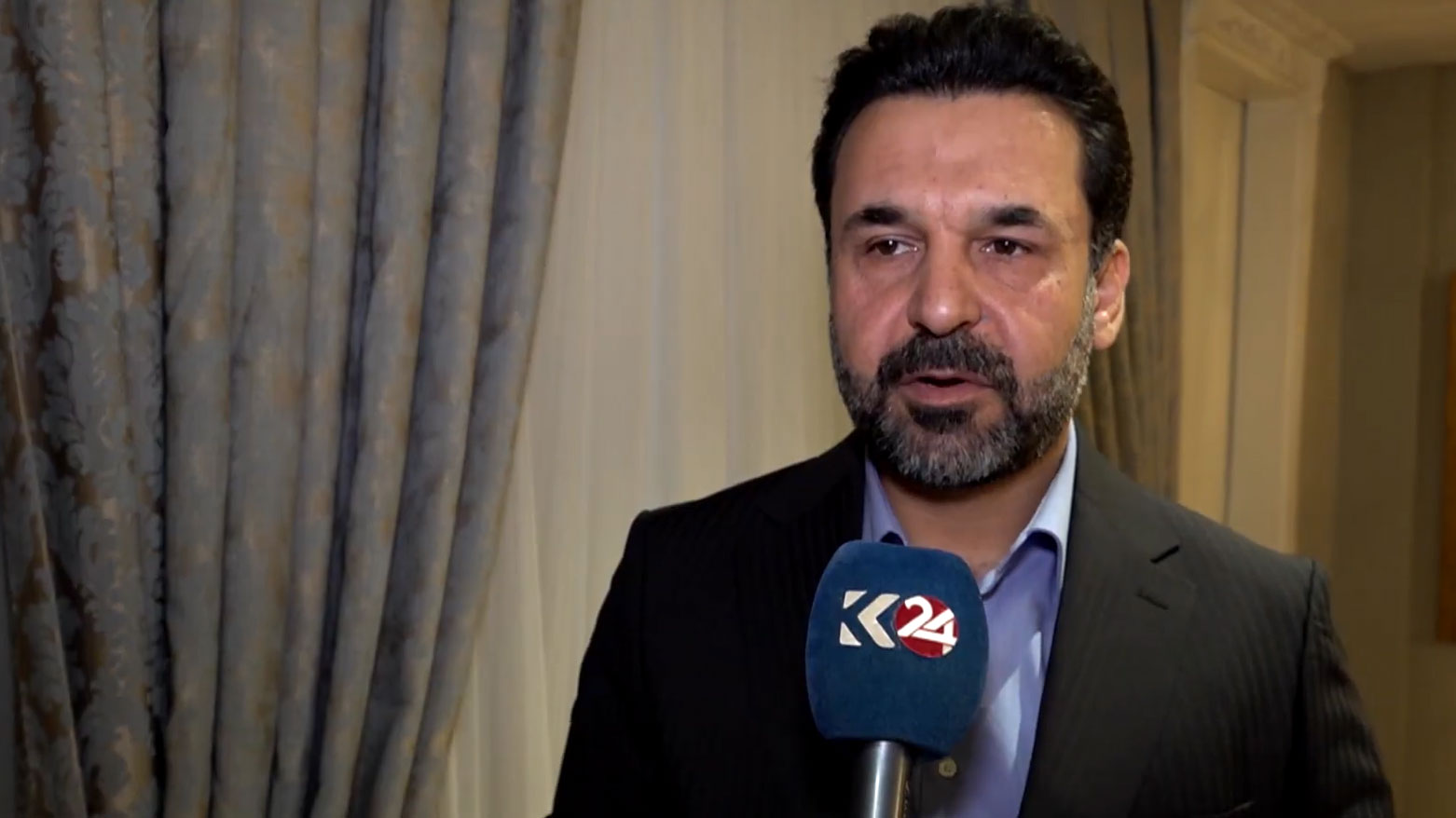
Adding to this, Hawre Mohammed, President of the Kurdistan Quran Reciters Association, praised the "wisdom and calm" with which the Prime Minister has handled previous crises, expressing hope that the Region's constitutional rights remain shielded during this round of talks.
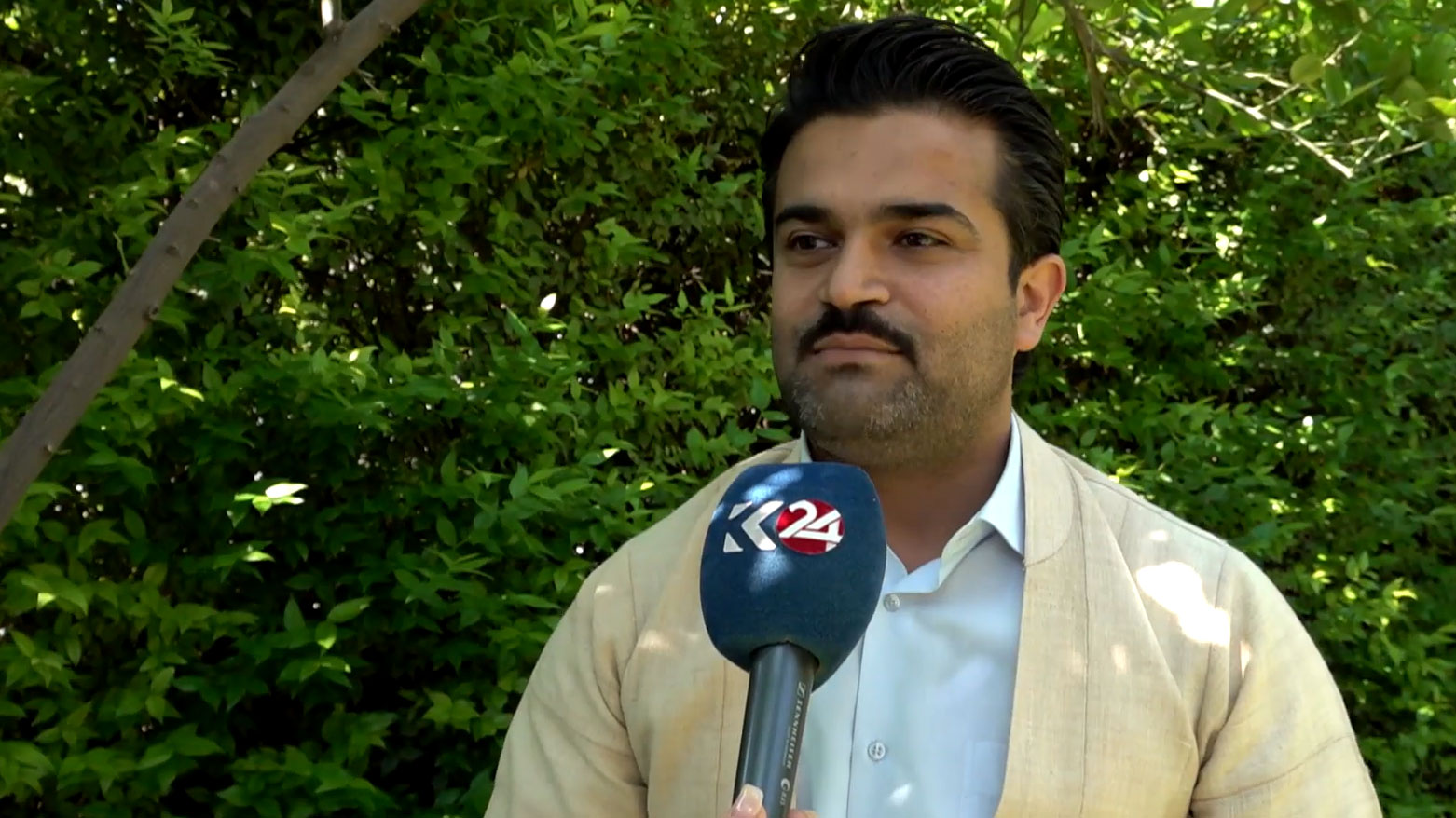
Abdullah Safwan, a university student, suggested that the Prime Minister's internal project successes have built a level of charisma and trust that translates well into the Baghdad negotiations.
While public optimism remains high, the broader political and economic landscape between Erbil and Baghdad remains complex.
As Prime Minister Masrour Barzani concludes his first day of meetings, the focus remains on whether this significant diplomatic push will lead to the long-term stability and constitutional clarity that citizens in the Kurdistan Region are currently anticipating.