Qatari Delegation Arrives in Tehran as Iran-U.S. Peace Deal Appears Near
Visit comes amid intensified mediation efforts and growing expectations that a framework agreement to end months of conflict could be finalized within days
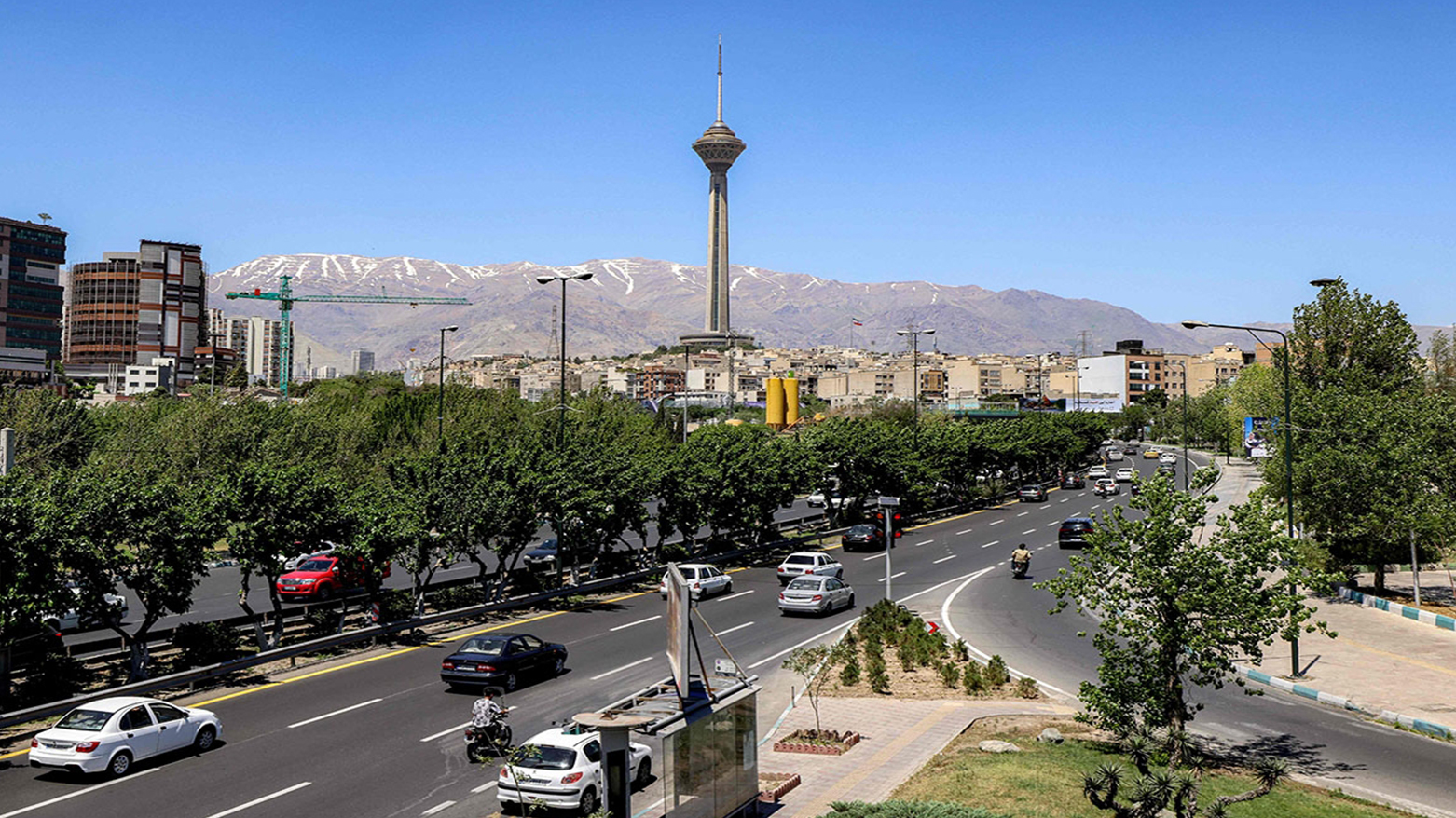
ERBIL (Kurdistan24) — A Qatari delegation arrived in Tehran on Sunday as diplomatic efforts intensified to secure a formal agreement ending the months-long war between Iran and the United States, according to Iranian media reports.
Iran's ISNA news agency reported that an adviser to Qatar's foreign minister had been dispatched to the Iranian capital, while Tasnim news agency said the visit was intended to review “the latest developments regarding the diplomatic process” aimed at bringing the conflict to a close.
The visit comes at a critical stage in negotiations, with mediators and officials from both sides signaling that a breakthrough may be imminent after months of fighting that destabilized the Middle East and disrupted global energy markets.
On Saturday, key mediator Pakistan expressed optimism that an agreement was closer than ever. Pakistani Prime Minister Shehbaz Sharif said a deal could be finalized within 24 hours, while Pakistan's Foreign Ministry indicated that an electronic signing ceremony had been scheduled for Sunday, though no further details were released.
Iran, however, struck a more cautious tone. Foreign Ministry spokesperson Esmail Baghaei said a signing would not take place on Sunday but acknowledged that the chances of finalizing a memorandum of understanding in the coming days were high.
“The likelihood of finalizing the memorandum of understanding in the coming days is high,” Baghaei said in remarks carried by Iranian state media.
A fragile ceasefire has been in place since April 7 following months of hostilities between Iran and the United States. Despite repeated claims by Trump in recent weeks that an agreement was imminent, Iranian officials have remained wary, citing the collapse of previous negotiations that were followed by military strikes by the United States and Israel.
The latest diplomatic momentum follows a dangerous escalation earlier this week, when Iran exchanged fire with U.S. and Israeli forces, briefly raising fears that the ceasefire could collapse and trigger a broader regional war.
Iranian Foreign Minister Abbas Araghchi suggested on Friday that negotiations were nearing a conclusion, writing on X that an agreement “has never been closer.” His comments came a day after Trump claimed significant progress in talks, despite simultaneously threatening action against Iran's oil industry.
Qatar has emerged as one of the key diplomatic intermediaries in the conflict, alongside Pakistan and several Gulf states. Doha has frequently played a mediating role in regional disputes and has maintained channels of communication with both Tehran and Washington throughout the crisis.
The negotiations are focused primarily on ending the war and stabilizing the region. According to Iranian officials, the memorandum currently under discussion does not address Iran's nuclear program, long one of the most contentious issues between Tehran and Washington.
“At this stage, it has been decided that there will be no discussion of the nuclear issue,” Baghaei said.
The decision reflects the complexity of the nuclear dispute, which has remained a central source of tension between Iran, the United States, and Israel for years. Concerns over Iran's stockpile of highly enriched uranium have repeatedly fueled international alarm and contributed to cycles of sanctions, diplomatic standoffs, and military confrontation.
Nevertheless, Trump suggested that the issue could be addressed later, stating on social media that once the situation had stabilized, the United States would move to “downblend and destroy” Iran's enriched uranium, either inside Iran or on U.S. territory.
The status of the Strait of Hormuz, a critical artery for global oil and natural gas exports, is also expected to feature prominently in discussions among world leaders at the upcoming Group of Seven summit, which begins Monday.
A senior U.S. administration official said Trump plans to meet on the sidelines of the summit with the leaders of Qatar, the United Arab Emirates, and Egypt to discuss efforts to consolidate the ceasefire and advance a lasting settlement.
The official added that France and Britain have expressed interest in participating in future mine-clearing operations in the Strait of Hormuz once fighting has fully ceased.
The waterway has been largely closed to commercial shipping since the outbreak of the conflict, disrupting energy supplies and raising concerns over global economic stability.
While major obstacles remain, the arrival of the Qatari delegation in Tehran underscores the growing diplomatic push to transform the fragile ceasefire into a formal agreement, offering the strongest indication yet that months of warfare between Iran and the United States may be approaching an end.