Kurdistan Region Distributes Over 280,000 Blood Units Annually, KRG Health Minister Says
A life-saving medical network in the Kurdistan Region is operating at a scale most patients never see, and with a record that stands out globally.
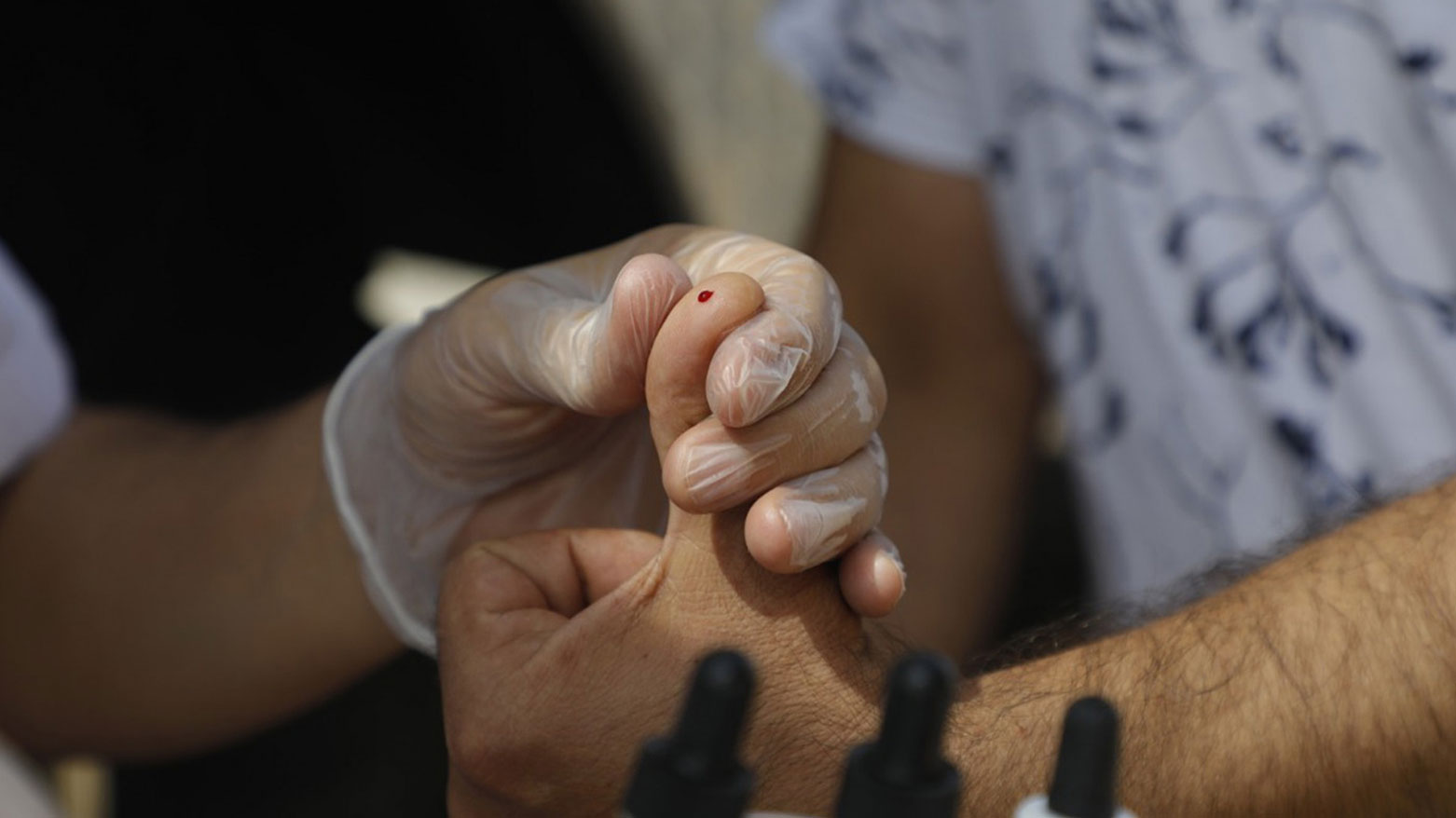
ERBIL (Kurdistan24) - The Kurdistan Regional Government (KRG) provides more than 280,000 units of blood to patients annually free of charge, operating under strict safety protocols that have ensured zero cases of viral transmission through transfusions, according to the region's top health official.
Speaking at a press conference on Sunday, KRG Minister of Health Saman Barzanji detailed the immense scale and rigorous safety standards of the region's blood donation and distribution network.
He noted that blood banks across the Kurdistan Region supply an average of 780 bottles daily to meet the continuous needs of local hospitals and emergency centers.
"Blood has no medical substitute, and humans are its only source," Barzanji told reporters. "Therefore, donating blood is a humanitarian, national, and religious duty to save patients' lives."
The financial and logistical undertaking required to maintain this stable supply chain is substantial.
The health minister revealed that the necessary screening, preparation, and processing of each blood unit cost the government more than $100.
Despite these high operational expenses, the KRG fully subsidizes the process, providing the blood entirely free of charge to patients in both the public and private healthcare sectors.
According to the statistics shared during the briefing, 66 percent of the distributed blood is utilized within public hospitals, while the remaining 34 percent is supplied to private medical facilities.
To ensure uninterrupted access for critical medical cases, government blood banks operate continuously, 24 hours a day, including on weekends and official holidays.
A cornerstone of the region's blood supply system is its stringent regulatory and medical screening framework. Barzanji proudly highlighted the Kurdistan Region's impeccable safety record in this critical medical field.
"To date, no cases of disease or viral transmission through blood transfusions have been recorded," he stated.
To safeguard this track record, the Ministry of Health enforces strict regulatory exclusivity over blood collection.
The minister clarified that only official, government-run blood bank centers are legally authorized to receive donations and distribute blood, a measure designed to prevent unregulated practices and ensure comprehensive medical screening.
Concluding his remarks, Barzanji emphasized the importance of leading by example to foster a culture of civic responsibility.
He noted that he proudly participates as a blood donor every year, hoping to encourage more citizens to contribute to the national supply and to reinforce the vital message that "donating blood is donating life."
|
Summary Kurdistan Region Health Minister Saman Barzanji announced that over 280,000 units of blood are distributed annually to patients free of charge. Supplying roughly 780 bottles daily, the KRG covers all associated costs, and no cases of viral transmission have been recorded in the region to date. |