One in 100 Babies Born in Sulaimani Has a Hole in the Heart, Doctors Warn
"While the current rate may still seem manageable, we must investigate the root causes and find preventive solutions; otherwise, the rate will increase and pose a serious threat," Dr. Zahir, a pediatric cardiology subspecialist, told Kurdistan24.
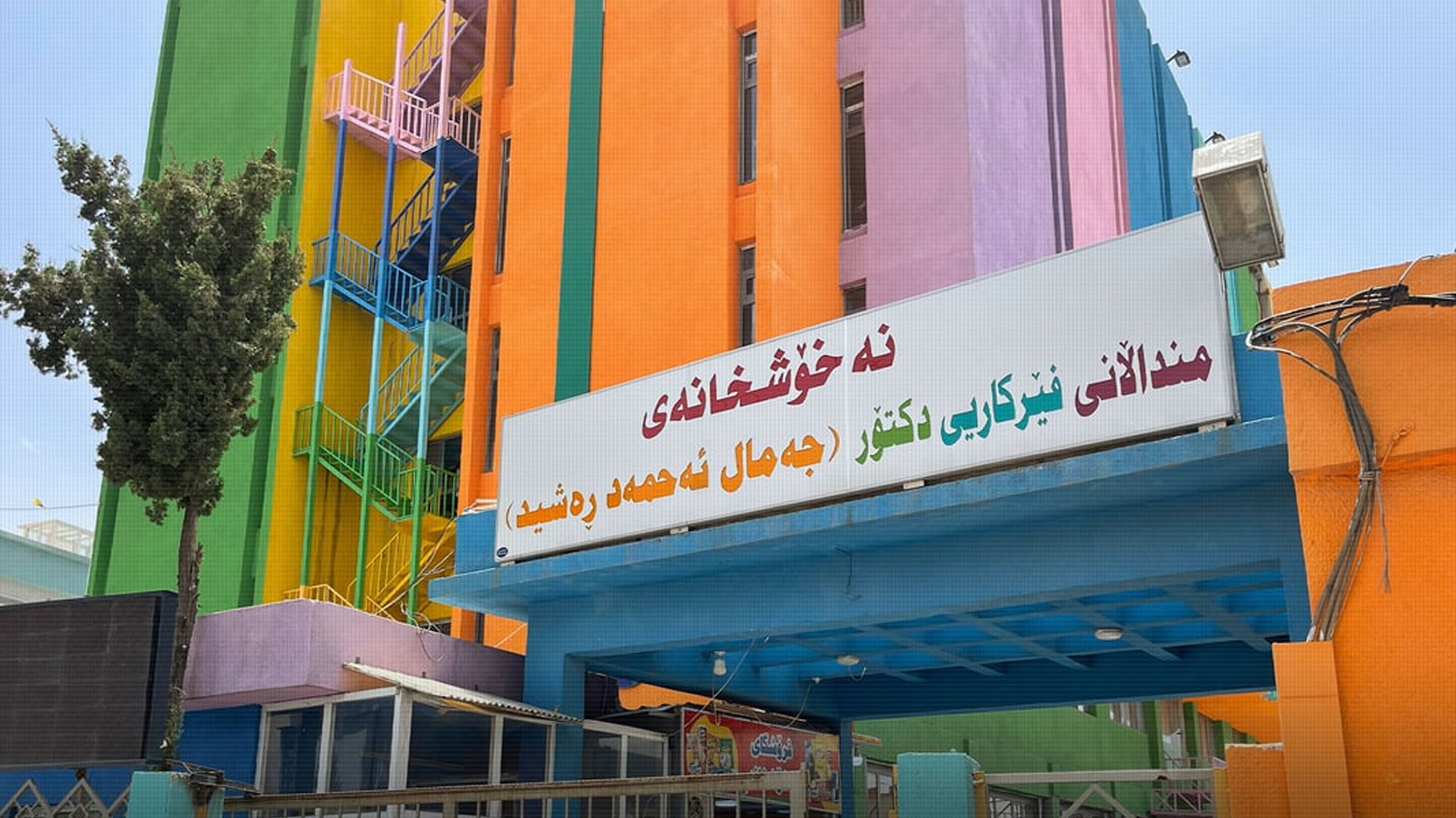
ERBIL (Kurdistan24) - Approximately 100 babies are born daily in Sulaimani province, and recent health data reveals that one in every 100 newborns is diagnosed with a hole in the heart or a similar congenital heart defect.
According to global health standards, an incidence rate of five such cases per 1,000 live births is considered normal.
The current data in Sulaimani, representing a rate of roughly 10 per 1,000, has prompted local health professionals to call for closer monitoring and preventive action.
Dr. Koyan Zahir, Director of the Jamal Ahmed Rashid Pediatric Teaching Hospital in Sulaimani and a pediatric cardiology subspecialist, told Kurdistan24 that advanced medical equipment and the presence of specialized doctors have made it easier to detect these heart anomalies immediately at birth.
"While the current rate may still seem manageable, we must investigate the root causes and find preventive solutions; otherwise, the rate will increase and pose a serious threat," Dr. Zahir warned.
Addressing the factors contributing to these congenital heart defects, Dr. Zahir explained that while genetics play a primary role, several external factors are also to blame.
He cited poor maternal nutrition, environmental factors, and the consumption of unprescribed or harmful medications by the mother during pregnancy as significant contributors.
He emphasized that health authorities are intensifying their efforts to take all necessary steps to prevent a further increase in these cases.
According to standard medical protocols, newborns suspected of having heart issues are immediately placed in incubators for close observation.
If an infant exhibits cyanosis, a bluish discoloration of the skin, doctors can often confirm a critical blockage in the blood vessels. Such severe cases require urgent medical intervention or surgery within the first week of life to prevent fatal outcomes.
The most common congenital heart anomalies observed among newborns in the province include a hole in the heart (septal defects), the underdevelopment of the right or left side of the heart, and the malformation or underdevelopment of major blood vessels.