Amman to Erbil: Jordanian Capital Signals Decisive Shift Toward Kurdistan Expansion
Industrialists and financiers have pledged to anchor new ventures in the Kurdistan Region, moving to establish a bilateral Economic Council and a high-level trade summit as Erbil cements its status as a premier Middle Eastern investment hub.
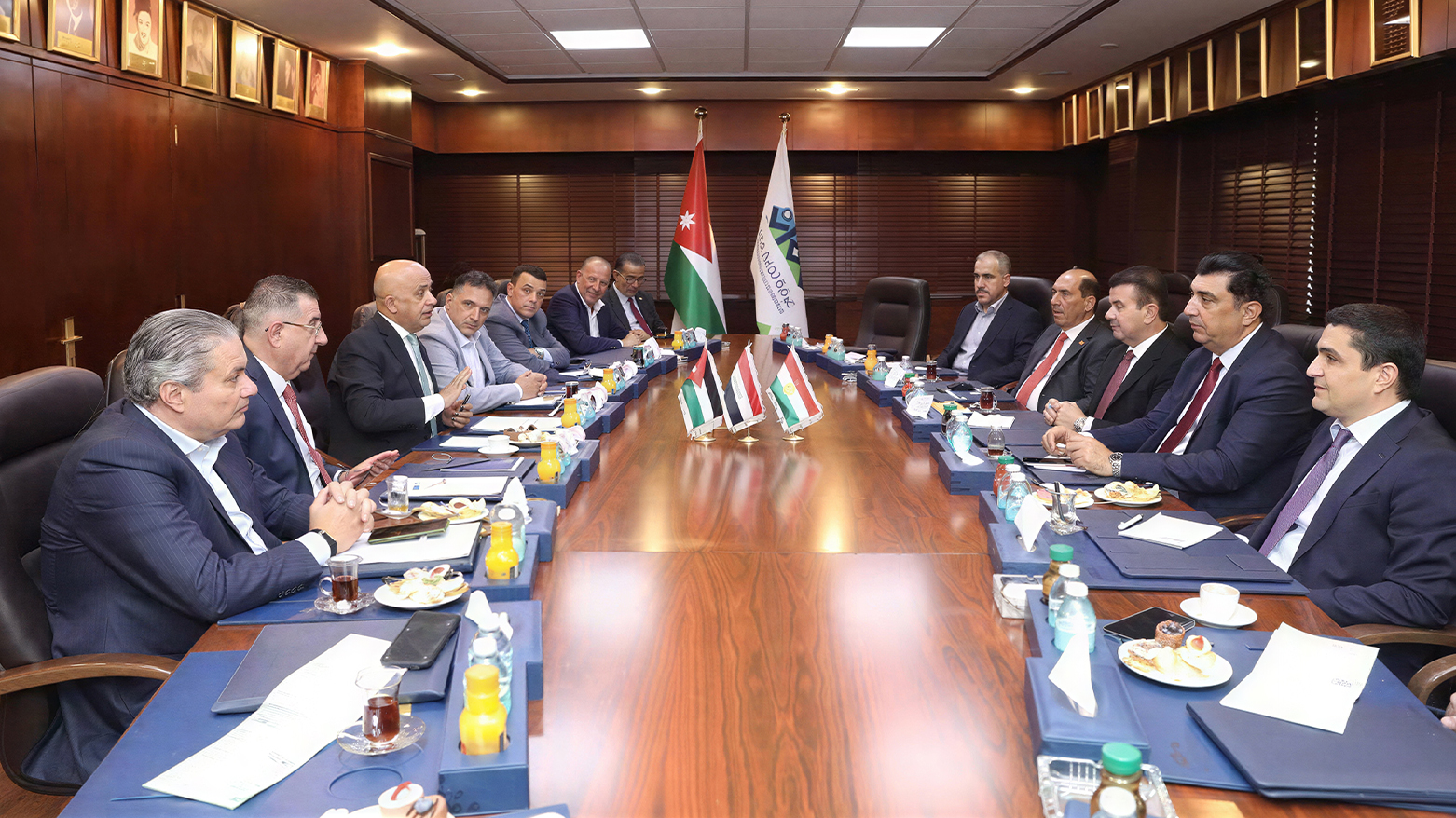
ERBIL (Kurdistan24) - A new era of economic diplomacy is taking root between Amman and Erbil as Jordanian investors and commercial giants signal a firm, long-term commitment to expanding their presence within the Kurdistan Region. This strategic pivot follows a high-level diplomatic mission and sets the stage for a transformative trade and industrial summit designed to integrate the two economies more closely than ever before.
The momentum was crystallized following a productive multi-day visit to Jordan by a delegation from the Erbil Chamber of Commerce and Industry.
Led by Gaylan Haji Saeed, the mission engaged in intensive consultations with a broad spectrum of the Jordanian business elite, including more than 200 prominent industrialists and major employers.
The depth of the engagement was underscored by the presence of high-ranking officials, including the Iraqi Ambassador to Jordan, the Jordanian Consul General in Erbil, and the former Jordanian Minister of Industry.
Speaking with Kurdistan24's journalist Kawa Jam, Haji Saeed, who serves as the President of the Erbil Chamber of Commerce and Industry, confirmed that the dialogue has already yielded concrete results.
He revealed that Jordanian business leaders have committed to an upcoming visit to the Kurdistan Region to finalize the details of a landmark Jordan-Kurdistan High Summit, which Erbil is slated to host in the near future.
Building a Structural Economic Bridge
Rather than relying on sporadic trade missions, the two sides are moving to institutionalize their relationship. Central to this vision is the planned establishment of the "Jordan-Kurdistan Economic Council."
According to Haji Saeed's statements to Kurdistan24, this body will encompass representatives from across the economic spectrum, serving as a permanent platform for investors to identify market needs, navigate regulatory environments, and explore mutual export capacities.
This institutional deepening is further supported by a new "twinning agreement" between the Chambers of Commerce in Erbil and Amman.
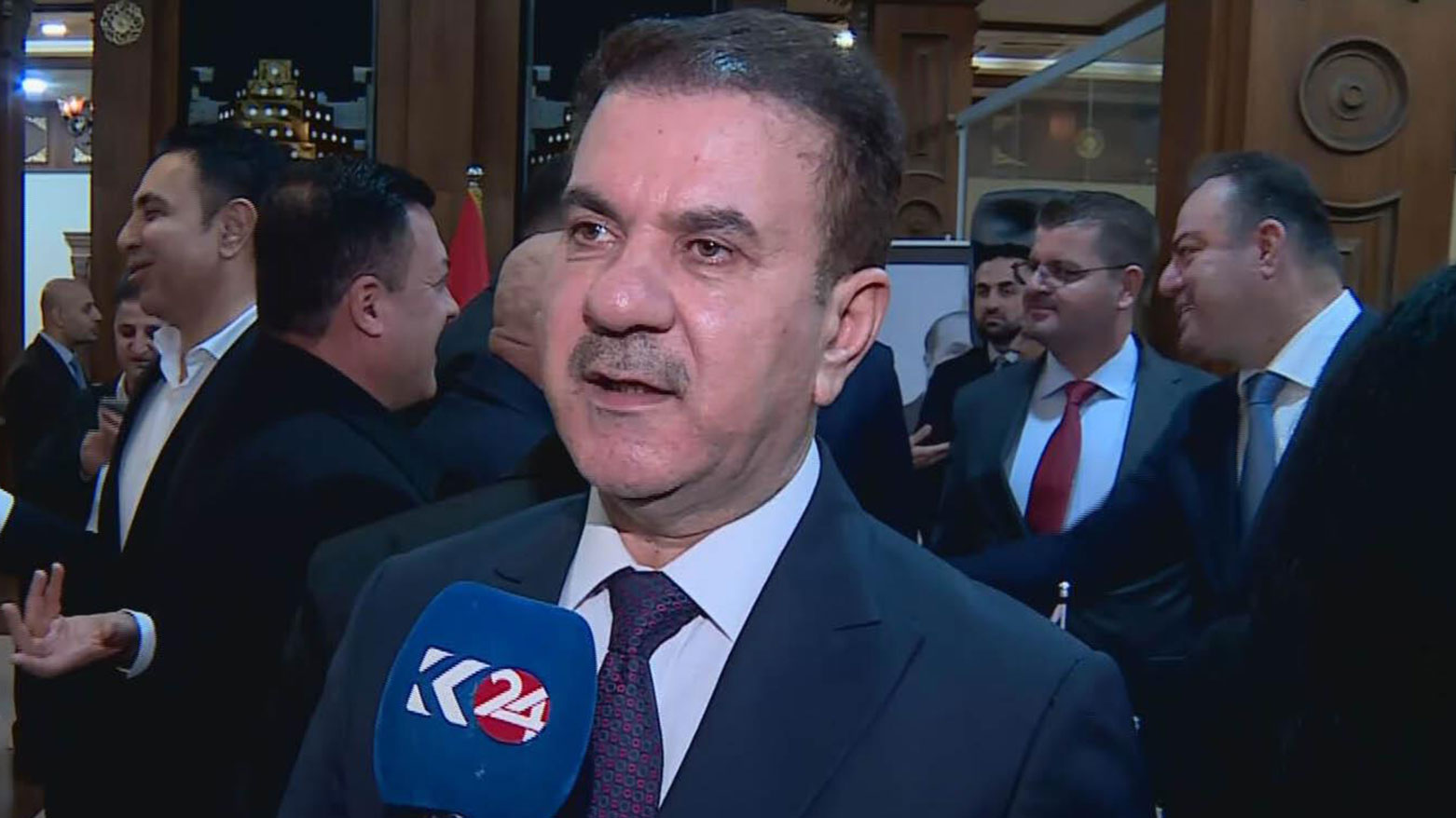
This accord is expected to facilitate a seamless exchange of data and technical expertise.
By linking these two commercial hubs, members of both chambers will gain access to specialized facilities and bilateral privileges intended to reduce the friction of cross-border investment and trade.
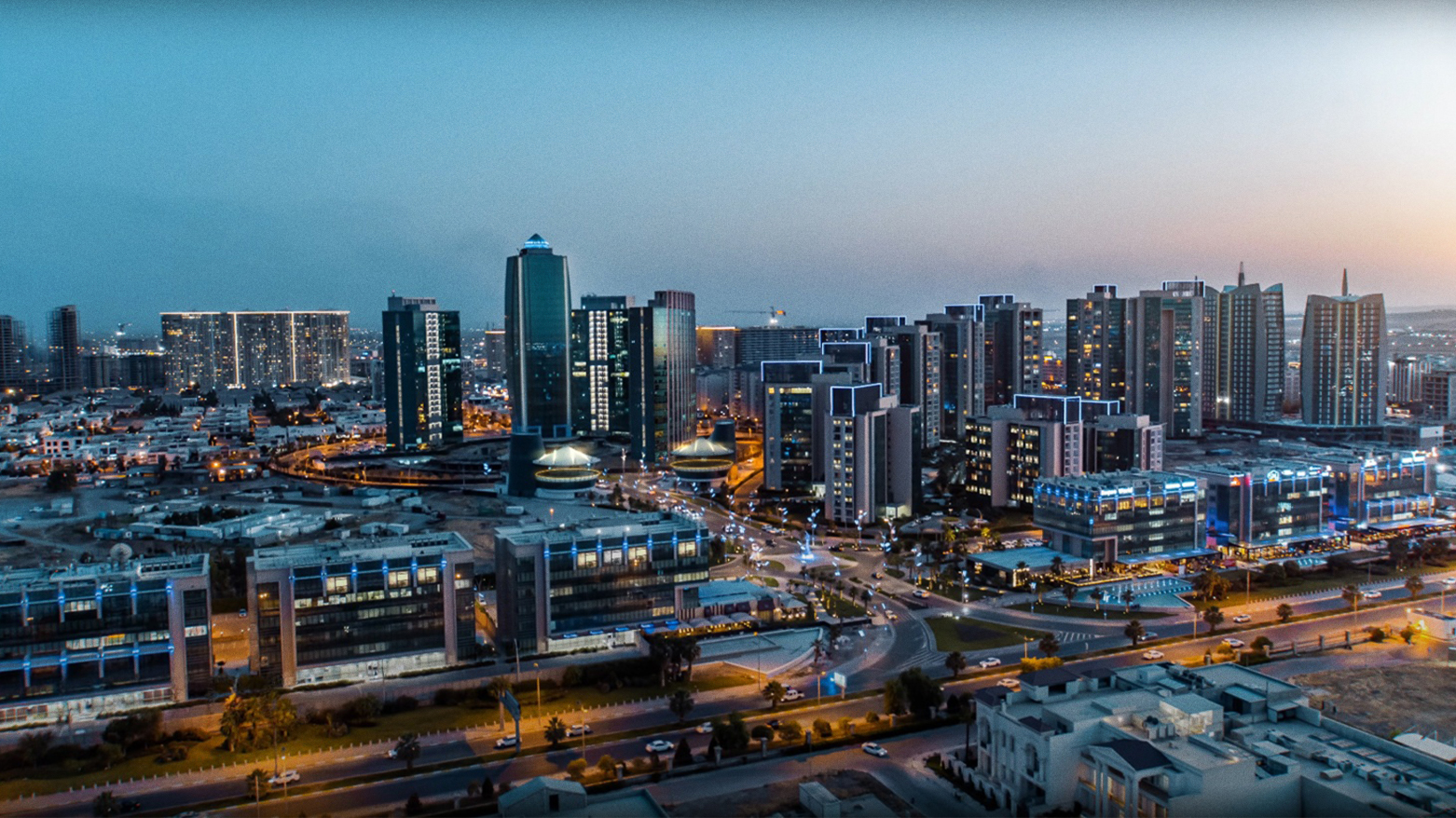
The surge in Jordanian interest is not an isolated event but part of a broader, upward trajectory for foreign direct investment in the Kurdistan Region.
In his capacity as President of the Kurdistan Federation of Chambers of Commerce and Industry, Haji Saeed noted that the region's robust infrastructure and stable climate have made it an increasingly attractive destination for capital from across the Middle East.
Investors from the Gulf, specifically the United Arab Emirates, Saudi Arabia, Qatar, and Bahrain, are demonstrating a pronounced focus on the region's strategic sectors.
The data reflects a maturing market; over the past seven years, the Kurdistan Region has absorbed more than $22 billion in total investment.
Foreign capital accounts for a significant portion of that figure, roughly $5.1 billion, or more than 23 percent of the total. Within this landscape, Erbil province has emerged as the primary magnet for international financiers.
While Chinese investors currently maintain a leading position with approximately $4.9 billion in allocated capital, the regional makeup is shifting.
Projections shared by Haji Saeed indicate that the UAE and other Gulf nations are poised to ascend the rankings rapidly as they move to diversify their portfolios into the Kurdistan Region's emerging markets.
The Legal Catalyst: Investment Law No. 4
The driving force behind this influx of international interest remains the Kurdistan Region's sophisticated legislative framework. Investment Law No. 4 of 2006 is frequently cited by analysts as one of the most competitive and investor-friendly frameworks in the Middle East.
It provides the legal certainty and financial incentives that institutional investors, such as those in the Jordanian delegation, require to commit large-scale capital.
The law fundamentally levels the playing field by granting foreign nationals the same rights and responsibilities as domestic developers.
Crucially, it allows for 100 percent foreign ownership of projects, eliminating the traditional requirement for a local partner, a hurdle that often deters international firms in other regional markets.
Financial incentives are equally robust.
Approved ventures are granted a full tax holiday for 10 years starting from the date of commencement.
Furthermore, all machinery and equipment imported for a project are shielded from customs duties for three years, and raw materials receive a five-year customs exemption.
For Jordanian industrialists looking to establish manufacturing hubs in Erbil, these provisions significantly lower the barrier to entry and improve long-term profitability.
Beyond tax relief, the law provides essential protections for capital mobility and property rights. Investors are granted the unrestricted right to repatriate both profits and original capital in foreign currency. In a rare privilege for the region, foreign investors are also permitted to purchase land and real estate for residential developments.
These rights are anchored by strong anti-expropriation guarantees; the state is legally prohibited from nationalizing or confiscating projects except under strict conditions of public interest, which requires a court order and immediate, fair compensation.
A New Chapter in Regional Integration
As Erbil prepares to host the Jordanian delegation and the subsequent High Summit, the regional implications are profound.
By fostering a direct economic corridor between Amman and the Kurdistan Region, both sides are positioning themselves to better navigate the complexities of the Middle Eastern market.
For the Kurdistan Region, the commitment of Jordanian investors provides a vital boost to its economic diversification strategy.
For Jordan, Erbil represents a stable, high-growth gateway into the wider Iraqi market.
As the planned Jordan-Kurdistan Economic Council begins its work, the resulting joint ventures are expected to drive job creation and infrastructure development, proving that economic diplomacy remains the most effective tool for regional stability and shared prosperity.
|
Summary Jordanian industrialists have pledged to expand their footprint in the Kurdistan Region, moving toward the establishment of a joint Economic Council. Bolstered by favorable 2006 investment laws and a $22 billion capital inflow, Erbil is now set to host a high-level bilateral trade summit. |