Trump Publicly Rebukes Netanyahu as US Pushes to Finalize Iran Peace Deal
Rare criticism of Israeli premier highlights growing tensions over Lebanon strikes and efforts to secure a diplomatic breakthrough with Tehran
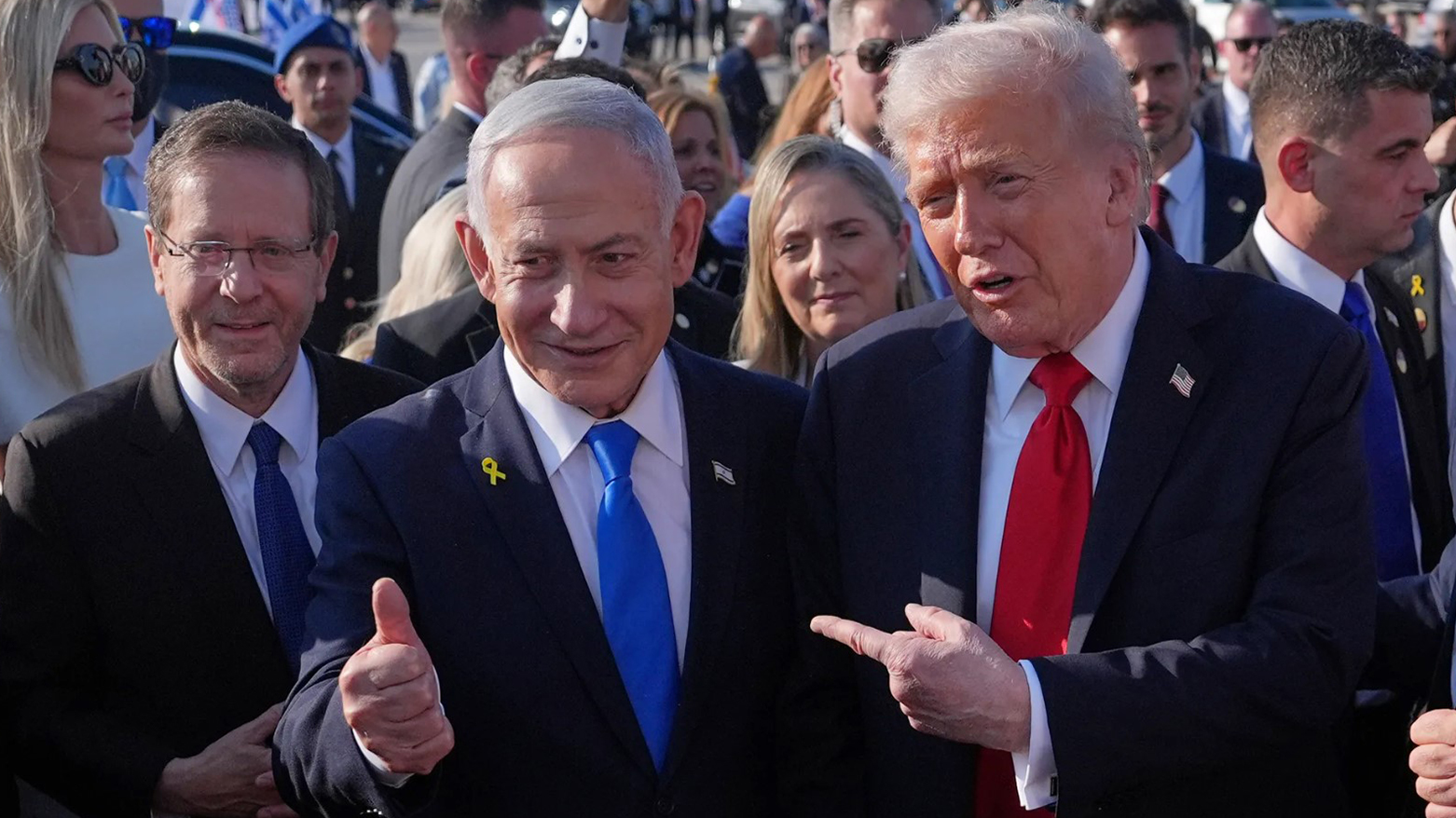
ERBIL (Kurdistan24) — U.S. President Donald Trump has sharply criticized Israeli Prime Minister Benjamin Netanyahu in a rare public display of friction between the two longtime allies, as Washington works to finalize a peace agreement with Iran aimed at ending months of regional conflict.
The unusually blunt remarks come ahead of a planned signing ceremony on Friday at Switzerland's Burgenstock Resort near the city of Lucerne, where U.S. and Iranian officials are expected to launch negotiations on a comprehensive settlement addressing Iran's nuclear program, sanctions relief, and regional security issues.
Trump's criticism centers on recent Israeli military operations in Lebanon, which U.S. officials fear could undermine the fragile diplomatic momentum between Washington and Tehran.
Speaking at the G7 summit in France on Tuesday, Trump said he had expressed dissatisfaction directly to Netanyahu over Israel's actions.
"Without the U.S., there would be no Israel. Without me, there would be no Israel because no other president was willing to do what I did," Trump said. "I have had a great relationship with Bibi. Now Bibi has to be more responsible with respect to Lebanon."
The remarks mark a striking shift in tone from a president widely regarded as one of Israel's strongest supporters. During his first term, Trump moved the U.S. embassy from Tel Aviv to Jerusalem, recognized Israeli sovereignty over the Golan Heights, and brokered the Abraham Accords between Israel and several Arab states.
According to reports, Trump has privately and publicly vented frustration with Netanyahu in recent days, even describing him as "crazy" while blaming Israeli actions in Lebanon for complicating negotiations with Iran.
The tensions underscore the competing pressures facing the White House. While Trump seeks to secure a diplomatic achievement by ending the war with Iran, he is also confronting domestic political criticism over a conflict that has driven up energy prices and generated growing public opposition in the United States.
Aaron David Miller, a longtime adviser on Middle East affairs to both Democratic and Republican administrations, said Trump's willingness to confront Netanyahu reflects the importance he places on ending the conflict.
"If Netanyahu gets in between something Trump really wants, and that's out of this war, he's prepared to use the leverage that he has," Miller said.
The dispute also highlights evolving political attitudes toward Israel in the United States. For decades, support for Israel enjoyed broad bipartisan backing in Washington. In recent years, however, divisions have deepened as criticism of Israeli policies has increased among progressives, while some conservatives have questioned the extent of America's long-standing commitments abroad.
Trump's comments drew immediate criticism from some pro-Israel and Jewish organizations.
Halie Soifer, head of the Jewish Democratic Council of America, criticized Trump's suggestion that Israel's existence depended on his actions.
"He is framing Israel's mere existence as contingent on him," Soifer said. "It's deeply offensive to the vast majority of Jews who care about Israel's future."
Others downplayed the significance of the dispute. Matt Brooks, president of the Republican Jewish Coalition, characterized Trump's remarks as a disagreement between close allies rather than a fundamental rupture.
Brooks argued that Trump's criticism carries different political weight because of his long record of support for Israel, including policies implemented during his first administration and efforts to secure the release of Israeli hostages during his second term.
The public disagreement has also revived comparisons with the often-tense relationship between Netanyahu and former President Joe Biden. While Biden and former Vice President Kamala Harris frequently disagreed with Netanyahu over the war in Gaza, their criticism was generally more restrained amid concerns about appearing unsupportive of Israel.
Mort Klein, president of the Zionist Organization of America, said Trump should have addressed his concerns privately rather than publicly criticizing the Israeli leader.
Klein suggested the comments may reflect changing public sentiment in the United States, where support for Israel has become increasingly polarized following years of conflict in Gaza and broader regional instability.
The growing friction between Trump and Netanyahu comes at a critical moment for Middle East diplomacy. Analysts have repeatedly warned that continued fighting between Israel and Iran-backed Hezbollah in Lebanon could derail efforts to reach a broader agreement with Tehran, potentially jeopardizing one of the most ambitious diplomatic initiatives of Trump's presidency.
As negotiators prepare to meet in Switzerland, the success of the emerging U.S.-Iran accord may depend not only on compromises between Washington and Tehran but also on whether tensions between two of America's closest regional partners can be contained.