A Monumental Vision in Erbil: Prime Minister to Lay Foundation for the 'Barzani Grand Mosque'
Spanning over two million square meters, the ambitious project seeks to blend Islamic architecture with traditional Kurdish motifs, creating a new cultural and spiritual landmark for the Kurdistan Region.
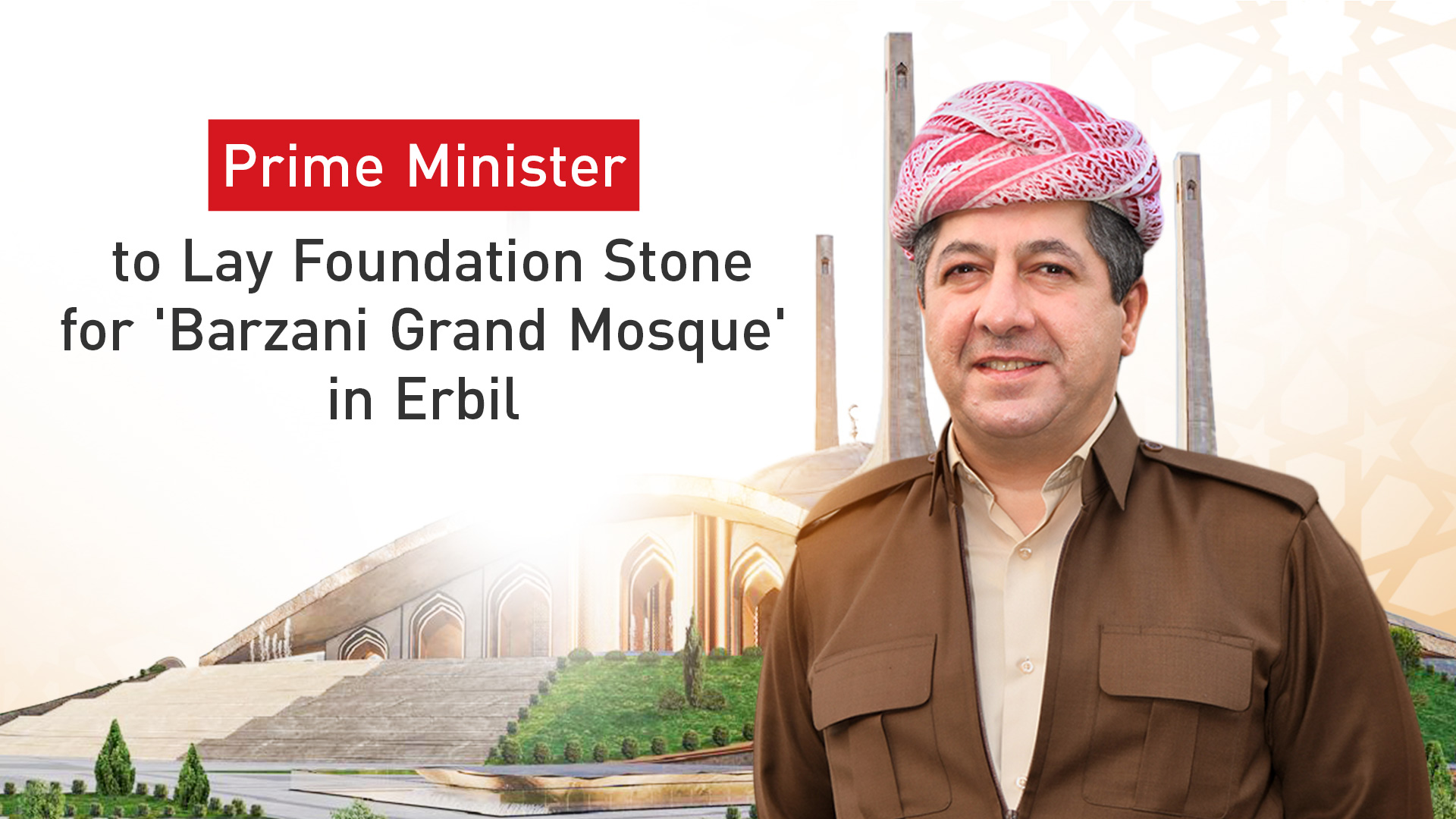
ERBIL (Kurdistan24) - Under the expansive sky of the Kurdistan Region's capital, Prime Minister Masrour Barzani is set to lay the foundation stone on Sunday for what is slated to become one of the most ambitious and recognizable landmarks in the Middle East. The ceremony marks the official commencement of the "Barzani Grand Mosque," a sprawling, multi-purpose complex that seeks to redefine Erbil's urban landscape by intertwining religious devotion, environmental design, and a profound assertion of Kurdish national identity.
The project, which encompasses more than two million square meters, is not merely a place of worship.
It represents a monumental civic undertaking intended to serve as a cultural anchor for a region that is rapidly modernizing while striving to preserve its historical roots.
First envisioned by Prime Minister Barzani in 2023, the initiative was shepherded by Dr. Pshtiwan Sadq, Minister of Endowment and Religious Affairs, and brought to life through the designs of Kurdish architect Rashid Fattah and the local "Graph" engineering team.
Architecture Rooted in Kurdish Identity
Historically, the construction of grand mosques across the Islamic world has reflected the cultural and political aspirations of their builders, from the soaring minarets of Istanbul to the intricate tilework of Isfahan.
The Barzani Grand Mosque breaks from imported architectural norms by turning inward to Kurdistan's own heritage.
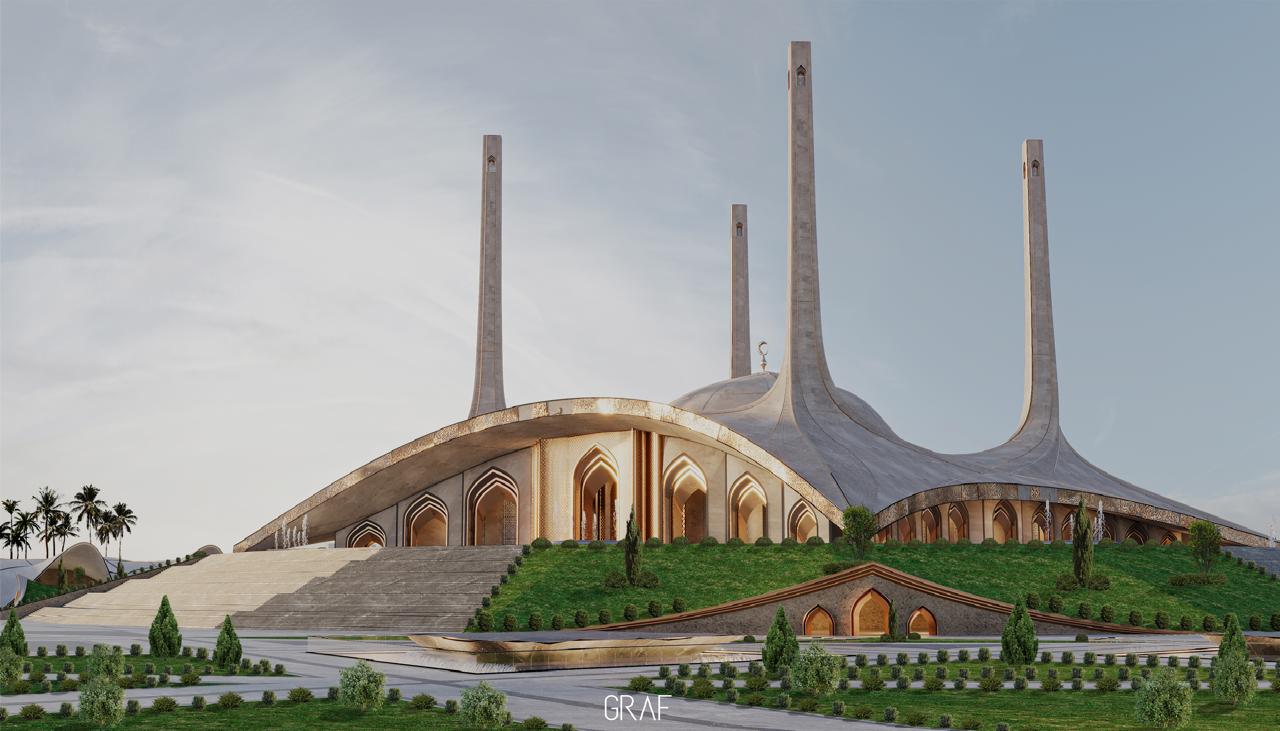
According to the project's developers, the main structure's design draws deep inspiration from the traditional Kurdish Rashmall, the iconic black wool tent historically used by nomadic Kurdish tribes. Auxiliary buildings throughout the complex will reflect other traditional tent forms.
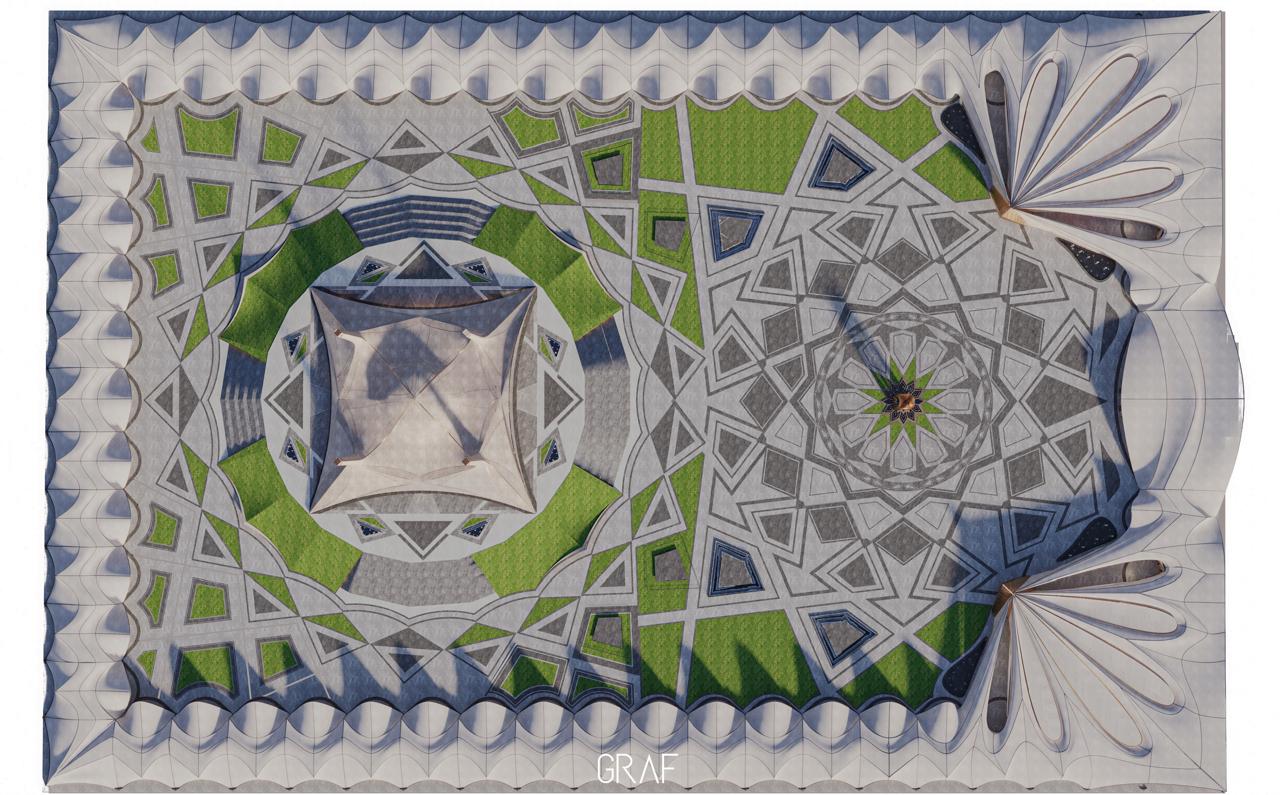
This deliberate architectural language attempts to merge classical Islamic spatial concepts with distinctly Kurdish visual elements, ensuring that the structure resonates intimately with the local population.
The mosque is also envisioned as a profound historical tribute. By bearing the name of the late Mulla Mustafa Barzani, the complex honors the legacy of modern Kurdish history's most central and unifying figure. The dedication transforms the project from a purely religious center into a monument to the Kurdish struggle for self-determination and survival across generations.
Record-Breaking Ambitions
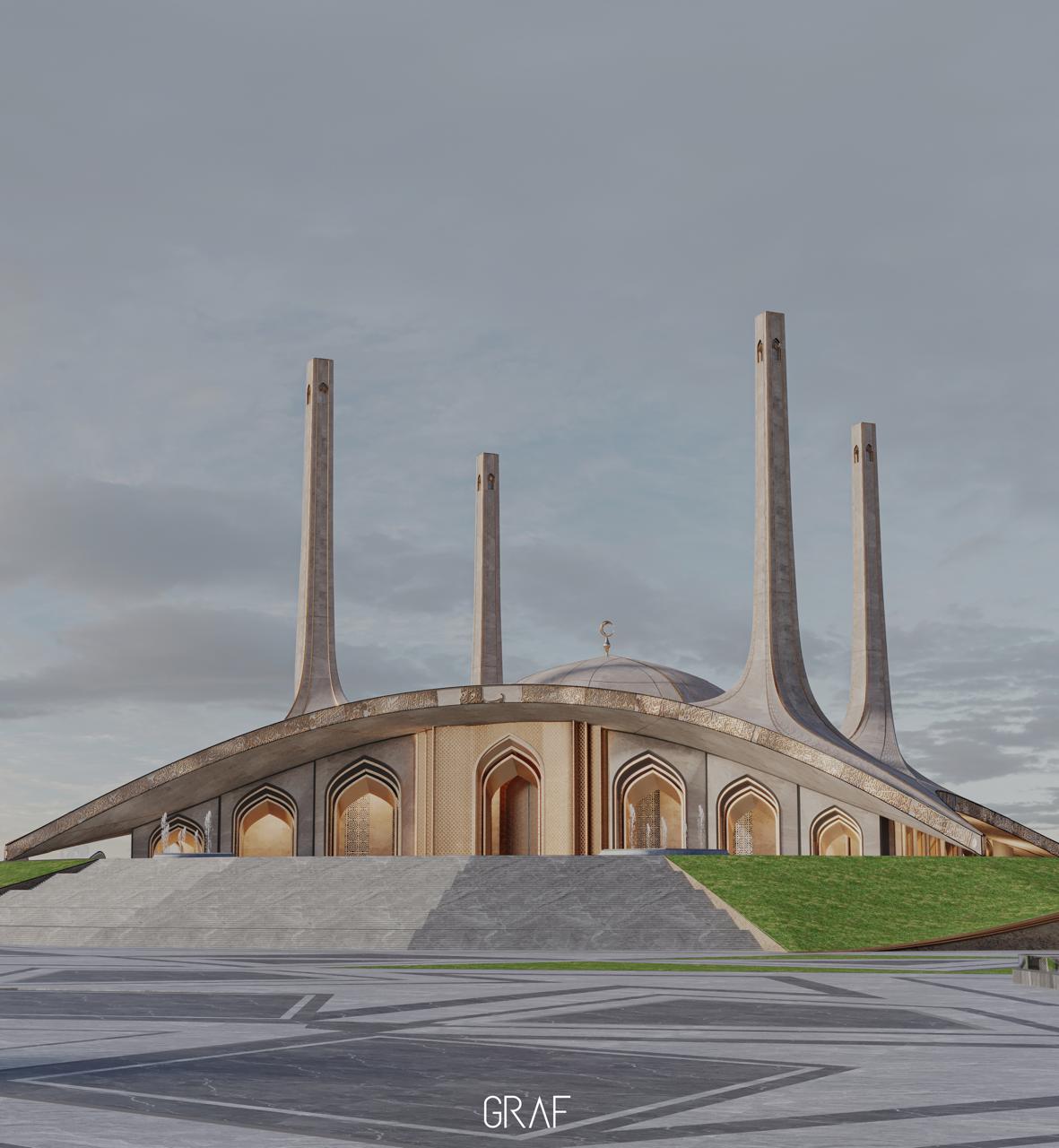
The scale of the project is unprecedented for the Kurdistan Region, with developers explicitly targeting several world records. The main prayer hall, designed to accommodate approximately 9,000 worshippers, will sit atop an artificial hill and feature what developers claim will be the world's largest dome and tallest entrance doors. Inside, the hall is planned to house the world's largest handmade carpet.
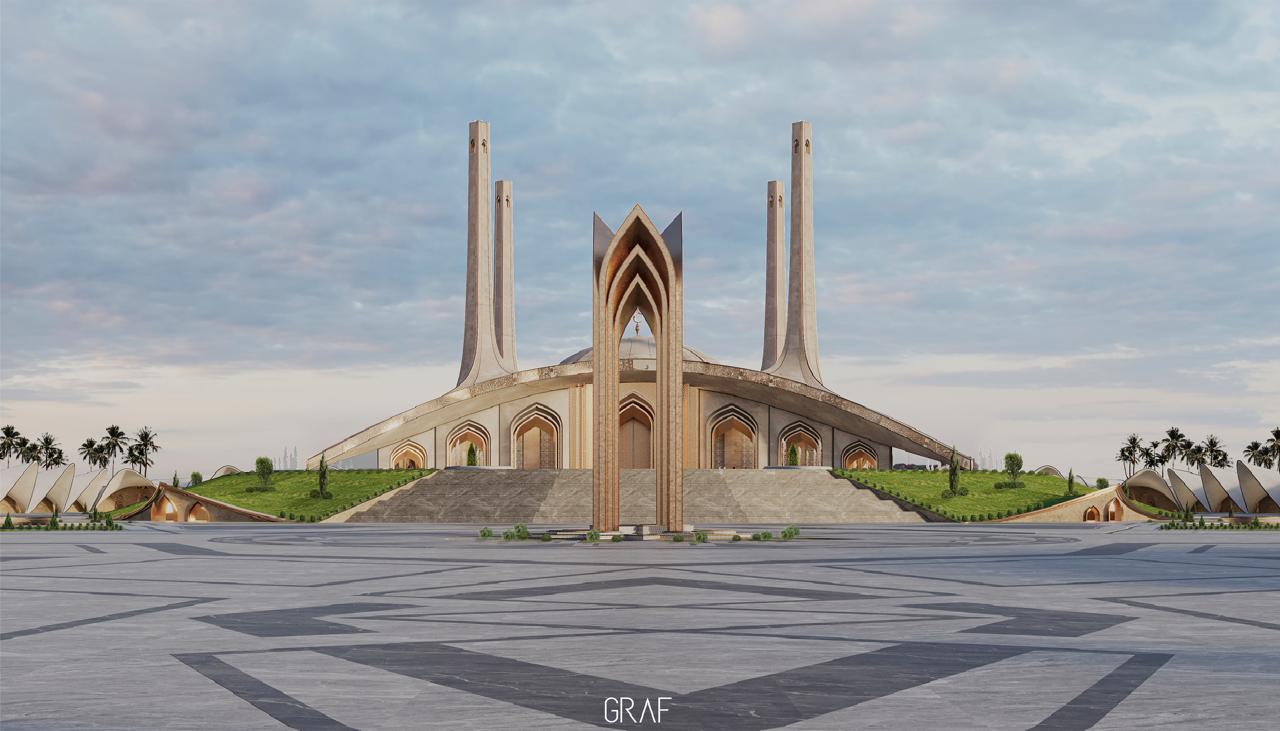
The complex is flanked by four towering minarets, uniquely equipped with elevators that will ferry visitors to observation points offering panoramic views across the sprawling metropolis of Erbil. The grounds will also feature the world's largest sundial.
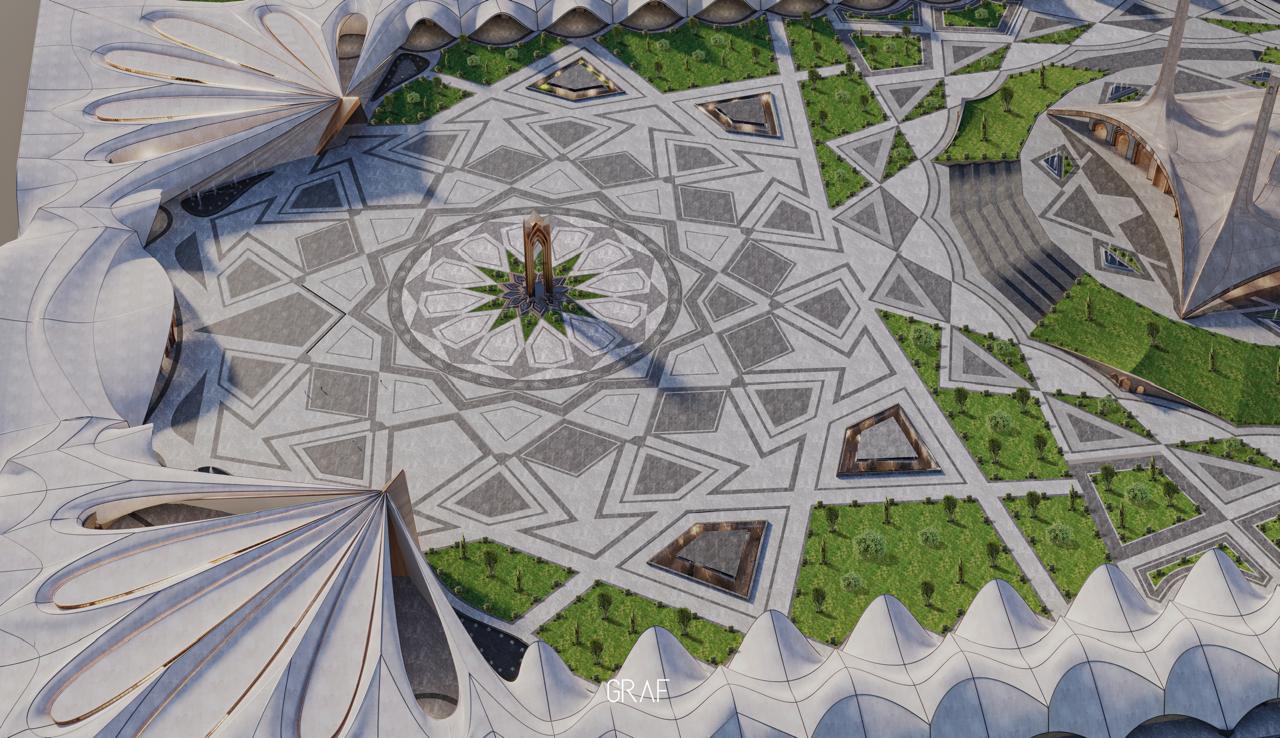
Beyond the main sanctuary, the site is engineered to host immense gatherings. The surrounding courtyards, gardens, and specialized religious event halls have been designed with the capacity to accommodate large crowds simultaneously, anticipating massive crowds during religious holidays, cultural festivals, and national commemorations.
A New Public Space
While the mosque serves as the spiritual heart of the project, the broader complex functions as a massive public park and cultural district. The master plan dedicates a significant portion of the two million square meters to expansive forests and gardens, with a goal of planting more than one million trees and flowering species. This aggressive greening effort aligns with recent regional initiatives to combat climate change, reduce urban heat, and expand public recreation spaces.
Water features heavily in the environmental design. The complex will boast a 48-meter-high artificial waterfall, planned to be the largest of its kind, which will cascade into a sprawling man-made lake at the center of the grounds.
The site is further envisioned as a center for scholarship and civic life. The complex will house a major library and archive dedicated to preserving Kurdish and religious texts, a museum focused on Kurdish history and manuscripts, a religious school, a conference center, public dining facilities, and a traditional market specializing in Kurdish crafts and religious goods.
Broader Significance for the Kurdistan Region
The launch of the Barzani Grand Mosque reflects a broader trend in the Kurdistan Region: a strategic pivot toward massive infrastructure projects that project stability, attract tourism, and foster civic pride. As the Kurdistan Regional Government works to diversify its economy beyond oil, creating world-class cultural and religious destinations is seen as a vital component of long-term urban planning.
For Erbil, a city that has expanded rapidly over the past two decades, the mosque complex promises to provide a new center of gravity, a space where religious tradition, historical memory, and environmental sustainability converge.
As construction begins, the project stands as a bold statement of intent, signaling that the Kurdistan Region intends to build monuments that rival the architectural achievements of its neighbors, firmly grounded in the unique cultural heritage of its people.
|
Summary Prime Minister Masrour Barzani laid the foundation stone for the Barzani Grand Mosque in Erbil, an ambitious two-million-square-meter project. Featuring record-breaking architecture, vast gardens, and a museum, the landmark aims to intertwine Islamic heritage with Kurdish cultural identity. |