Vance Arrives in Switzerland as U.S.-Iran Nuclear Talks Enter Critical 60-Day Phase
Negotiations begin amid Lebanon violence, Strait of Hormuz tensions, and scrutiny over Trump-backed accord with Tehran
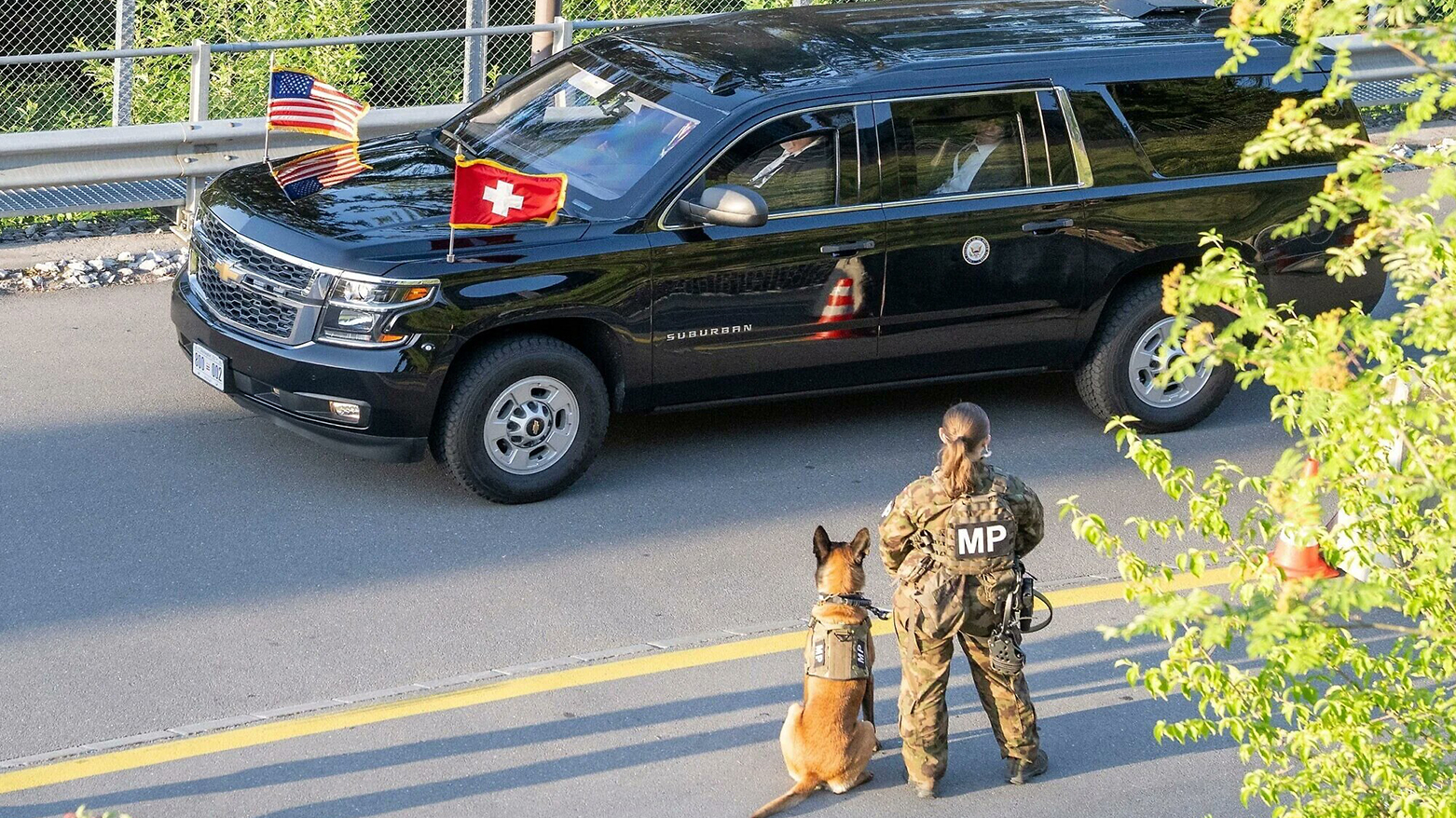
ERBIL (Kurdistan24) — U.S. Vice President JD Vance arrived in Switzerland on Sunday to help formally launch negotiations with Iranian officials aimed at curbing Tehran’s nuclear program and expanding upon a fragile interim agreement that ended the recent war between the United States and Iran.
The talks, taking place at the Bürgenstock resort near Lucerne, follow the signing last week of a framework agreement between U.S. President Donald Trump and Iranian President Masoud Pezeshkian.
Negotiators now face a 60-day deadline to resolve complex technical issues that could have far-reaching consequences for global security and energy markets.
The diplomatic effort has already encountered obstacles. In recent days, heavy fighting between Israel and the Iranian-backed Hezbollah movement in Lebanon has threatened to undermine momentum toward a broader regional de-escalation.
The situation was further complicated by Iran’s announcement that it had closed the Strait of Hormuz, the strategic maritime passage through which roughly one-fifth of the world’s traded oil and natural gas flows.
However, U.S. Central Command disputed Tehran’s claim, saying maritime traffic continued through the waterway under close monitoring by American forces. Vance has also maintained that millions of barrels of oil have continued to transit the strait in recent days.
Vance’s arrival came shortly after Iranian state media reported that Tehran’s delegation had reached Switzerland. The Iranian team includes parliamentary speaker Mohammad Bagher Qalibaf, Foreign Minister Abbas Araghchi, as well as senior central bank and oil officials.
The U.S. delegation is also being led by special envoy Steve Witkoff and Jared Kushner, who have already begun discussions on the technical aspects of the nuclear negotiations.
Regional stakeholders are also participating in the talks. Pakistani Prime Minister Shehbaz Sharif and Army Chief Asim Munir are expected to attend alongside Qatari mediators.
Pakistan’s Foreign Ministry said Sharif would hold separate meetings with the Iranian, Swiss, and American delegations to reaffirm Islamabad’s support for dialogue and lasting peace in the region.
While Vance is expected to remain in Switzerland for only a brief period, his presence has attracted significant political attention in Washington as speculation grows about a possible 2028 presidential bid.
The vice president and Trump have faced criticism from some Republican hard-liners who argue the agreement resembles the nuclear deal negotiated under former President Barack Obama, which Trump and many Republicans have long criticized as ineffective.
Under the interim accord, Iran is permitted to resume unrestricted oil exports and gain access to billions of dollars in previously frozen assets. In return, Tehran has agreed to dilute its stockpile of highly enriched uranium, much of which is believed to be stored at facilities targeted during U.S. strikes last summer.
The agreement also allows commercial vessels to pass through the Strait of Hormuz without charge for 60 days, though it does not rule out future fees imposed by Iran.
On Saturday, Trump warned that Washington could impose its own tolls on the strategic waterway if a final agreement is not reached within the allotted timeframe.
The Trump administration has sought to reassure global markets that the conflict with Iran would have only a temporary impact on energy prices. Oil futures fell sharply after the framework agreement was announced last week, though investors are expected to closely monitor developments from the Swiss negotiations.
Adding to the uncertainty, neither Israel nor Hezbollah is a party to the U.S.-Iran agreement. Israeli Prime Minister Benjamin Netanyahu has pledged to maintain Israeli military operations in southern Lebanon until all threats to Israel are eliminated, while Hezbollah has insisted it will continue attacks unless Israel withdraws from Lebanese territory.
According to reports, clashes between Israel and Hezbollah in the days following the U.S.-Iran agreement resulted in the deaths of 47 people in Lebanon and four Israeli soldiers, underscoring the fragile security environment surrounding the negotiations.