Trump Envoys to Visit Israel for Talks on Gaza Plan
Jared Kushner and Nikolay Mladenov are expected to travel to Israel and Egypt next week as Washington seeks to narrow differences over Trump’s Gaza peace plan.
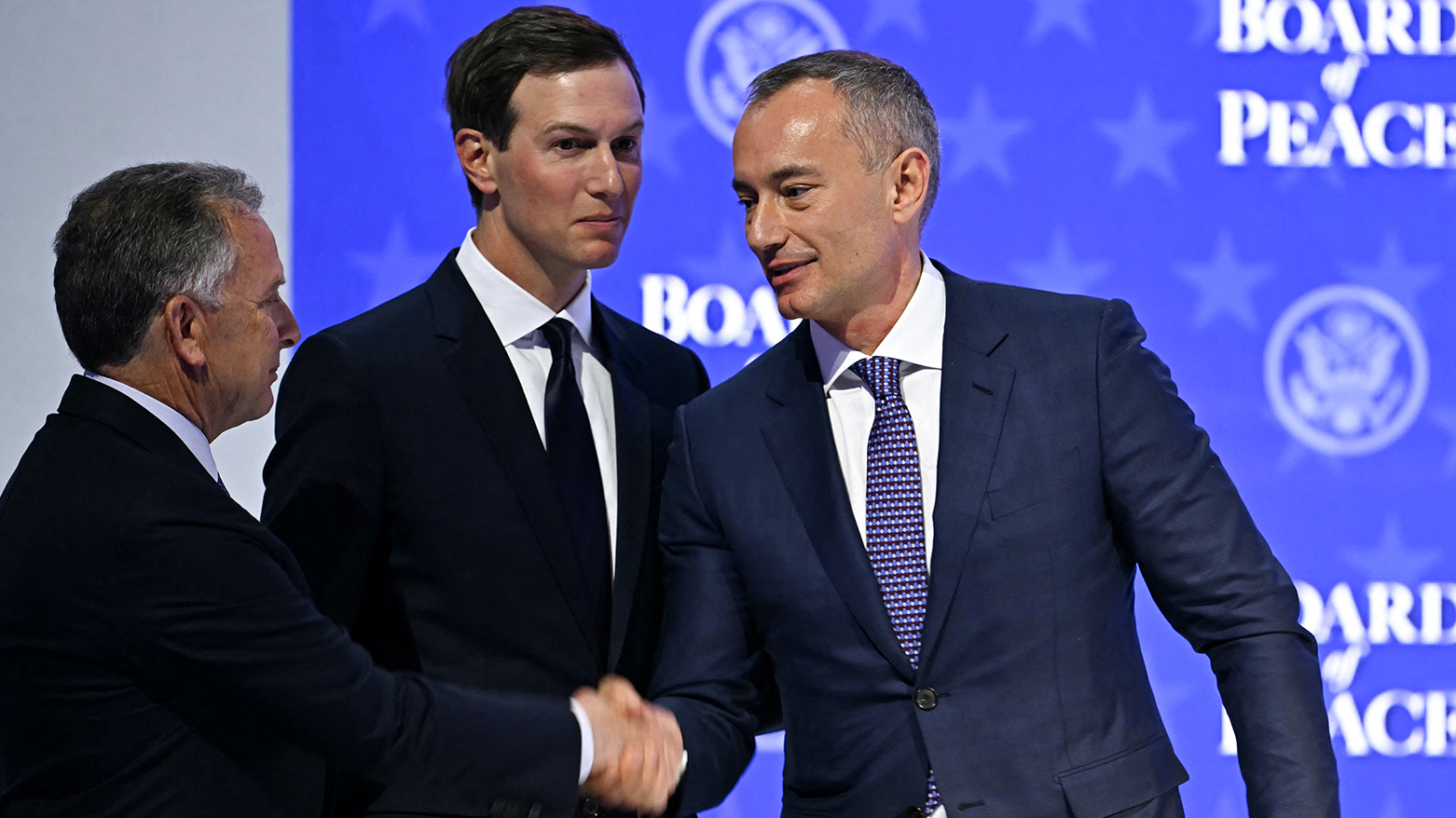
ERBIL (Kurdistan24) - US President Donald Trump’s special envoy Jared Kushner and Nikolay Mladenov, the high representative for Gaza affairs at Trump’s Peace Board, are expected to visit Israel and Egypt next week as Washington seeks to bridge differences over a Gaza plan rejected by Israeli Prime Minister Benjamin Netanyahu.
The planned visit comes after Netanyahu formally rejected a 15-point proposal that had received Hamas’ approval, including a provision under which Hamas would hand over its weapons to a new Palestinian committee tasked with governing the Gaza Strip.
A Peace Board official said Kushner and Mladenov hope to hold constructive discussions on implementing Trump’s broader peace plan.
“The US and Israel agree on the end goal, which is the disarmament of Hamas,” the official said.
Netanyahu, facing pressure from right-wing forces ahead of Israel’s October elections, has maintained that the Israeli military will not withdraw from Gaza.
This position remains in place despite assurances from Trump’s peace team that any Israeli withdrawal would come only after Hamas is fully disarmed.
Trump’s Gaza plan is the latest stage of a ceasefire agreement announced through US mediation in October 2025. The agreement has contributed to a reduction in Israeli attacks on the Gaza Strip, although the attacks have not stopped completely.
The planned visit comes as Trump has yet to provide the political backing Netanyahu is seeking ahead of Israel’s October 27 election.
According to a report published by Axios on Friday, Netanyahu faced a difficult political picture during a meeting with Trump at the White House two weeks ago.
When Trump asked about Netanyahu’s standing in pre-election polls, Netanyahu remained silent, while one of his advisers quickly responded: “Mr. President, he is ahead.”
According to a US official cited by Axios, however, the reality was different. Netanyahu was behind in the polls, with his current coalition projected to win between 49 and 53 seats, well below its current 68 seats and short of the 61 needed to form a government.
Opposition parties were projected to hold around 67 to 70 seats, while Gadi Eisenkot, Netanyahu’s main rival, was leading in the polls.
According to the report, Netanyahu’s immediate objective is no longer an outright victory but securing enough seats to prevent his opponents from forming a government without the support of Arab parties.
If successful and no side is able to form a government, Netanyahu could remain as caretaker prime minister for several more months until another election is held.
The differences between Trump and Netanyahu have become increasingly visible over Gaza, Iran and Lebanon during the past three months.
Although Trump’s advisers initially expected him to support Netanyahu at the beginning of the war, the prolonged conflict has increasingly separated their political interests.
Sources cited in the report said Trump personally respects Netanyahu but has become frustrated with his political decisions, reportedly saying: “Netanyahu is his own worst enemy.”
The main dispute emerged after Netanyahu openly rejected Trump’s Gaza peace plan, known as the Peace Board plan. He later promised Kushner during a phone call that he would give the proposal an opportunity and reduce attacks on Gaza.
According to the sources, Israeli forces subsequently reduced their attacks and withdrew to designated lines.
Israeli opposition leaders, including Yair Lapid, Naftali Bennett and Gadi Eisenkot, have also sought to influence Trump’s position.
According to the report, they used intermediaries and joint financial donors to send messages to Trump asking him to remain neutral in the election.
Trump’s supporters, meanwhile, believe Netanyahu’s weakness in the polls is a key reason the US president has so far avoided intervening.
Trump’s standing inside Israel has also declined to some extent following his agreement with Iran and restrictions on Israeli military operations.
In several recent interviews, Trump has avoided directly answering questions about whether he supports Netanyahu. When referring to the Israeli prime minister, he has also spoken of him in the past tense.
The Israeli election could have significant implications for Trump’s broader Middle East agenda.
Over the next two years, Trump wants to implement his Gaza peace plan, reshape relations between Israel, Lebanon and Syria, and, above all, secure a historic peace agreement between Israel and Saudi Arabia.
The White House does not want Israel’s domestic political crises to obstruct its regional diplomatic agenda, as happened in 2019, when three consecutive Israeli elections disrupted the US diplomatic process.
Against this backdrop, Kushner and Mladenov’s planned visit to Israel and Egypt represents an effort by Washington to narrow differences over Gaza while maintaining focus on the broader objectives of Trump’s peace plan.