Pezeshkian Reaffirms Iran’s Enrichment Rights Ahead of Key Nuclear Talks in Switzerland
Tehran says Lebanon conflict, frozen assets, and oil exports will dominate discussions with U.S. mediators at Bürgenstock summit
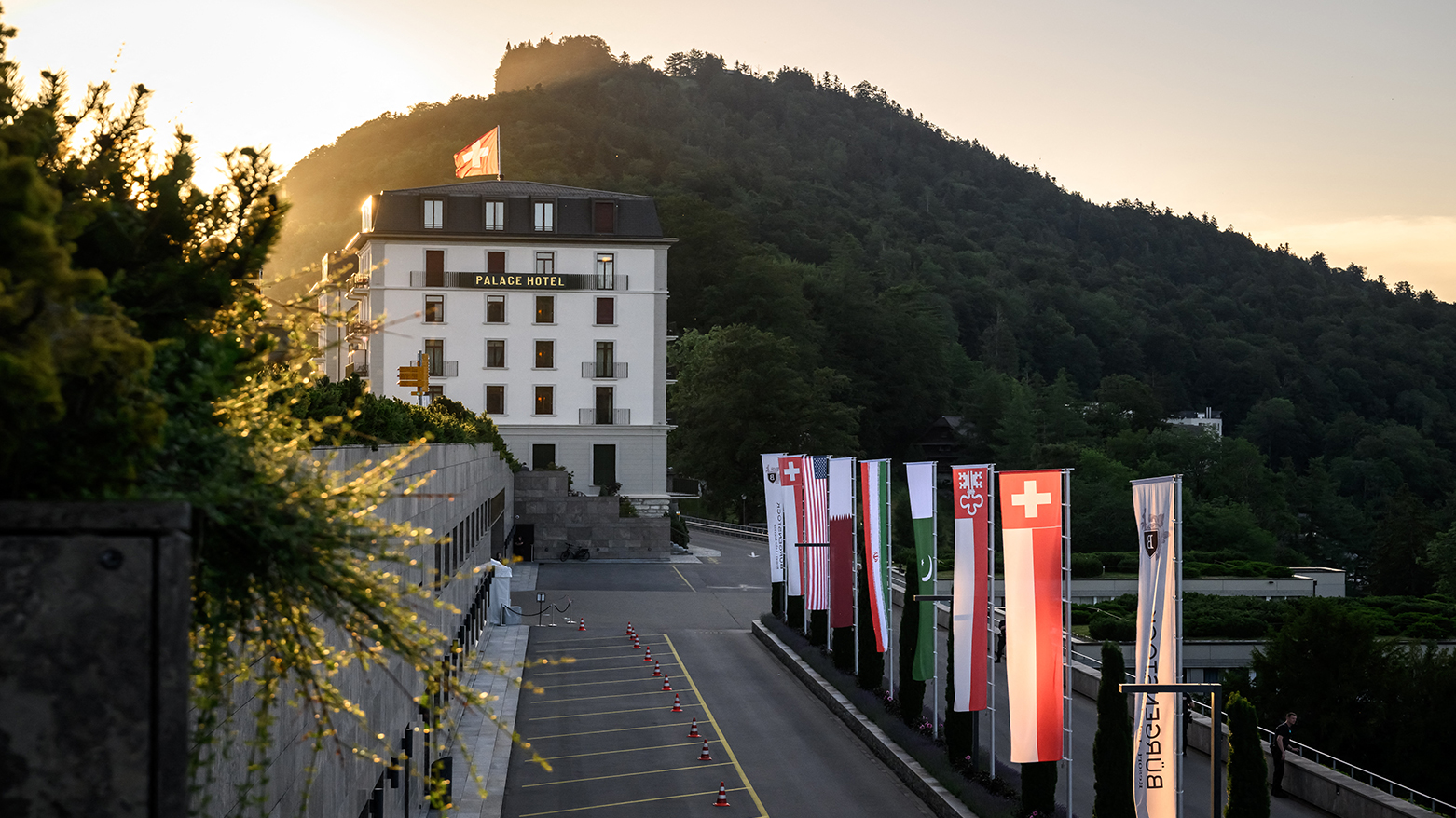
ERBIL (Kurdistan24) — Iranian President Masoud Pezeshkian on Sunday reiterated Tehran’s willingness to provide assurances that it is not pursuing nuclear weapons, while firmly rejecting any demand to abandon uranium enrichment ahead of crucial talks with the United States in Switzerland.
Speaking before Iranian and U.S. negotiators were set to meet at the Bürgenstock resort near Lucerne, Pezeshkian said Iran remained committed to demonstrating the peaceful nature of its nuclear program but would not compromise on what it considers a sovereign right.
“What the United States demands is that Iran not build an atomic bomb. This is nothing new, and we can also state in writing that we have no intention of building a bomb,” the president was quoted as saying on his official website.
“However, we will not relinquish our right to enrichment, and the other side will have no choice but to accept this right,” he added.
The remarks came as Tehran and Washington prepared to begin negotiations aimed at expanding and implementing a recently signed agreement intended to end months of hostilities between the two countries.
The accord, reached on Thursday, followed a conflict that began on Feb. 28 after U.S.-Israeli strikes on Iran and is intended to establish a framework for broader security and nuclear-related understandings.
Iranian officials said the ongoing conflict in Lebanon between Israel and the Iranian-backed Hezbollah movement would be the primary issue raised during Sunday's talks.
“The Zionist regime continues to violate its commitment in Lebanon; this issue will be the main topic of discussion in today’s talks,” Iranian Foreign Ministry spokesman Esmaeil Baqaei said in remarks carried by the state news agency IRNA.
Under the agreement between Tehran and Washington, hostilities between Israel and Hezbollah were also expected to cease. However, renewed violence in recent days has raised concerns about the durability of the broader diplomatic process.
Iran’s military announced on Saturday that it had once again closed the Strait of Hormuz in response to continued Israeli attacks in Lebanon. Despite the announcement, there were no reports of fresh strikes in Lebanon after Saturday evening, and Baqaei said a “fragile cessation” of fighting had taken hold since then.
According to the Iranian spokesman, the negotiations will involve separate meetings with mediators from Pakistan and Qatar before a four-party session later in the day bringing together representatives from Iran, the United States, Pakistan, and Qatar.
“This meeting will be in the form of separate meetings with the mediators in the morning and a quadrilateral meeting in the afternoon, meaning that the delegations of all four countries will be present in the same room,” Baqaei said from Switzerland.
In addition to regional security issues, Tehran intends to press for the release of frozen Iranian assets and greater freedom to export its oil.
“The issue of making available Iran’s frozen or restricted assets, as well as the discussion related to issuing the necessary licenses for the sale of Iranian oil, will also be on the agenda,” Baqaei said.
Iran has not officially disclosed the value of its frozen assets abroad, but media estimates place the figure at more than $100 billion. Much of the money has remained inaccessible since the 1979 Islamic Revolution, which overthrew the U.S.-backed Shah and fundamentally reshaped relations between Tehran and Washington.
The talks in Switzerland are being closely watched by global markets and regional powers, as their outcome could influence future sanctions policy, energy exports, nuclear restrictions, and efforts to stabilize a region still facing multiple active conflicts.