Trump Warns Iran Over Hezbollah as Swiss Peace Talks Begin
In a post on his Truth Social platform, Trump demanded that Tehran "immediately stop their highly paid PROXIES in Lebanon from causing trouble," referring to Hezbollah, the Iran-backed armed group that has continued exchanging fire with Israel.
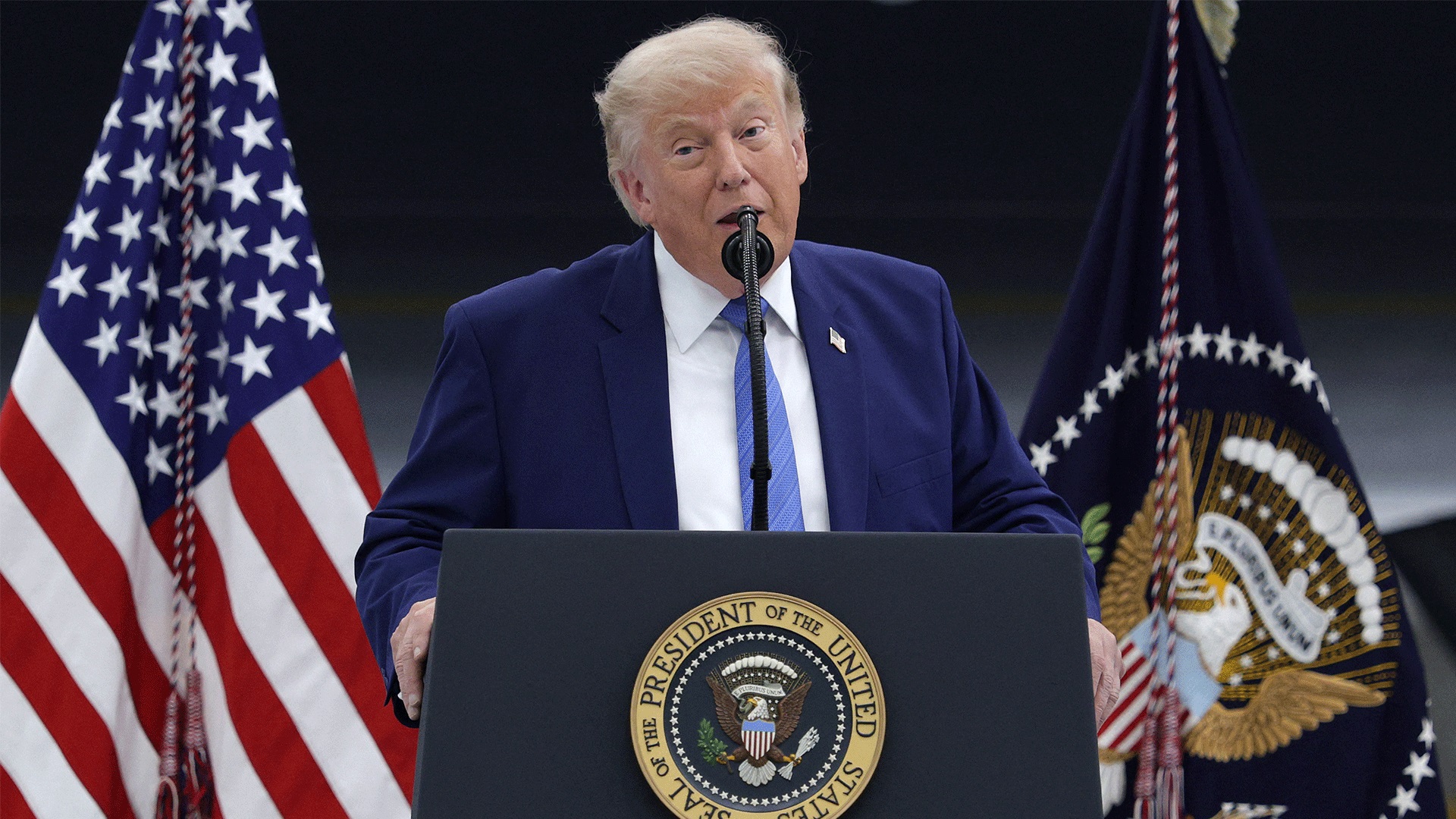
ERBIL (Kurdistan24) — U.S. President Donald Trump on Sunday warned Iran that it would face renewed military strikes if it failed to rein in its ally Hezbollah, as U.S.-Iran peace talks opened in Switzerland amid rising tensions along the Israel-Lebanon border.
In a post on his Truth Social platform, Trump demanded that Tehran "immediately stop their highly paid PROXIES in Lebanon from causing trouble," referring to Hezbollah, the Iran-backed armed group that has continued exchanging fire with Israel.
"If they don’t, we’ll hit Iran very hard again, just like we did last week, only harder!!!" Trump wrote, signaling that Washington was prepared to escalate military action despite the launch of diplomatic negotiations.
The warning came as U.S. and Iranian delegations met in Switzerland for preliminary peace talks aimed at preserving a recently brokered ceasefire and exploring broader negotiations after months of conflict.
Meanwhile, Israel's military said Hezbollah had suffered significant setbacks in recent fighting.
During a visit to Israeli troops in southern Lebanon, Israeli military chief Lieutenant General Eyal Zamir said the group was in a weakened position following Israeli operations.
"Hezbollah has suffered a severe and significant blow, and we are committed to remaining prepared to continue operating and prevent its rebuilding," Zamir said in a military statement. "Hezbollah is in a very difficult position."
The renewed rhetoric underscored the fragile nature of the diplomatic process, with continued clashes between Israel and Hezbollah threatening to undermine efforts to maintain the ceasefire between Washington and Tehran.
The latest tensions follow a U.S.-Iran peace agreement reached last week after three months of conflict that included U.S. strikes on Iranian targets and disruptions to regional security. The deal, signed separately by President Donald Trump and Iranian President Masoud Pezeshkian, established a 60-day framework for negotiations on broader issues, including Iran's nuclear program and regional security.
Despite the agreement, Hezbollah has continued attacks against Israeli positions, prompting Israeli military operations in southern Lebanon. Washington has repeatedly insisted that Tehran is responsible for restraining its regional allies, while Iran maintains that groups such as Hezbollah act independently. The ongoing cross-border violence has become one of the first major tests of the newly launched peace process, with diplomats seeking to prevent further escalation from derailing negotiations.