Netanyahu Says Israeli Forces to Stay in Southern Lebanon ‘As Long As Necessary,’ Reaffirms Stance on Iran Nuclear Program
“We will remain in the security zone in southern Lebanon for as long as necessary to protect the cherished residents of the north and all the citizens of Israel... Nothing will alter that commitment,” Netanyahu said.
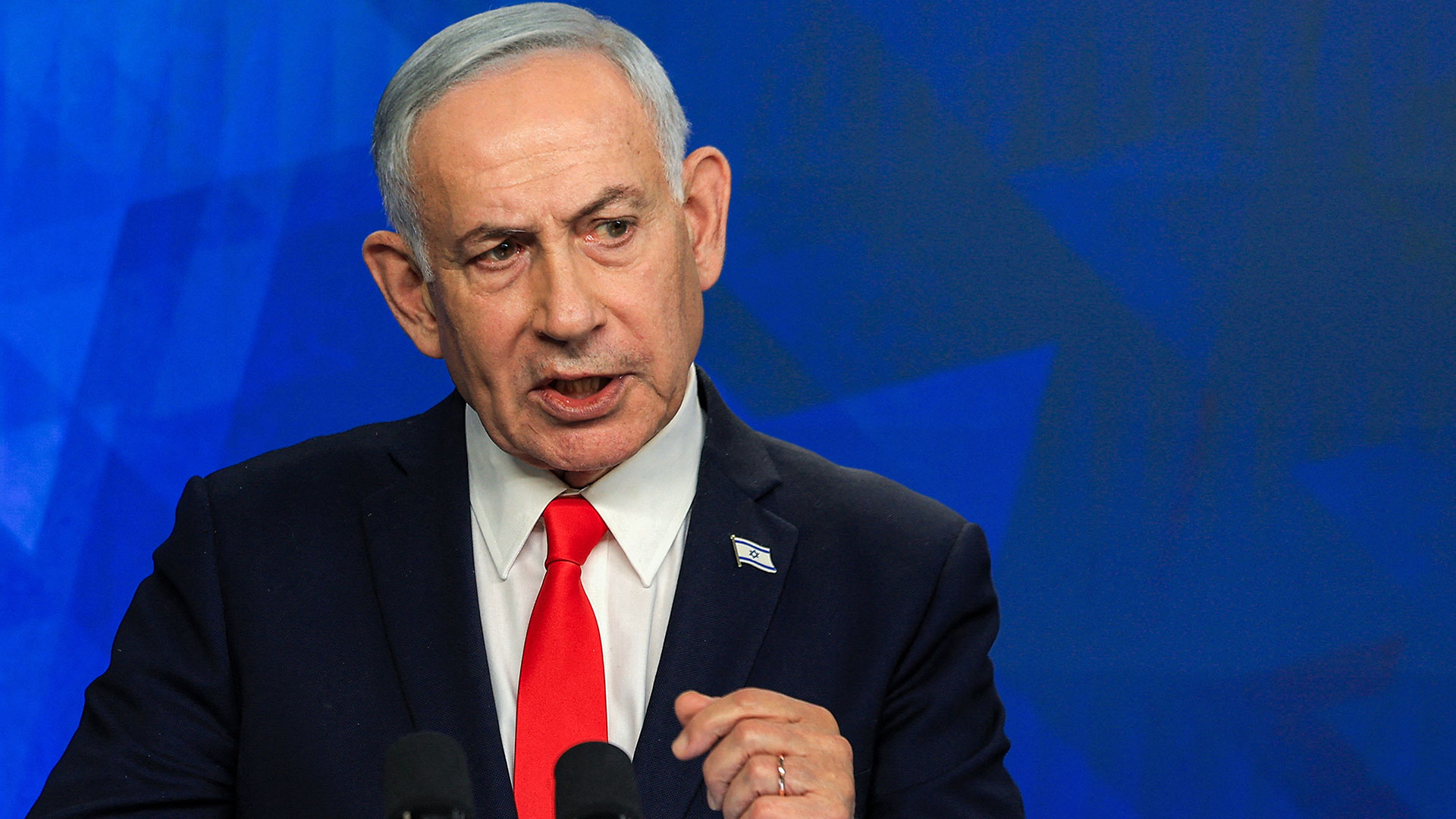
ERBIL (Kurdistan24) – Israeli Prime Minister Benjamin Netanyahu said on Sunday that Israeli forces will remain deployed in southern Lebanon “as long as necessary” to protect residents in northern Israel, while also reiterating his long-standing position that Iran must be prevented from acquiring nuclear weapons.
“We will remain in the security zone in southern Lebanon for as long as necessary to protect the cherished residents of the north and all the citizens of Israel... Nothing will alter that commitment,” Netanyahu said.
He added that regardless of political developments, Israel would continue its policy on Iran’s nuclear program: “I will not allow Iran to acquire nuclear weapons. As long as I serve as prime minister of Israel, that will not happen.”
The remarks were echoed by Israeli Defense Minister Israel Katz, who said Israeli forces operating in Lebanon have standing orders to respond to any perceived threats and will remain in what Israel describes as a “security zone” inside Lebanese territory. According to Katz, the deployment extends roughly 10 kilometers into southern Lebanon, where the Israel Defense Forces maintain active positions.
“There has never been, and there is currently no restriction on IDF soldiers in Lebanon from acting to eliminate threats,” Katz said, emphasizing that Israel will not withdraw from the area.
The statements come amid heightened regional tensions linked to ongoing conflict dynamics along the Israel–Lebanon border, where cross-border hostilities have repeatedly raised fears of broader escalation involving armed groups operating in Lebanon.
The comments also followed warnings from Iran that it would not engage in broader negotiations with Washington unless the war in Lebanon is halted. The standoff underscores how the Lebanon front has become increasingly tied to wider regional disputes, particularly between Israel and Iran, whose rivalry has deepened over security, nuclear, and proxy conflict issues across the Middle East.