Rubio Begins Gulf Tour with UAE Visit to Reassure Allies After Iran War
U.S. Secretary of State discusses Iran agreement, regional security, and Strait of Hormuz amid concerns from Gulf partners
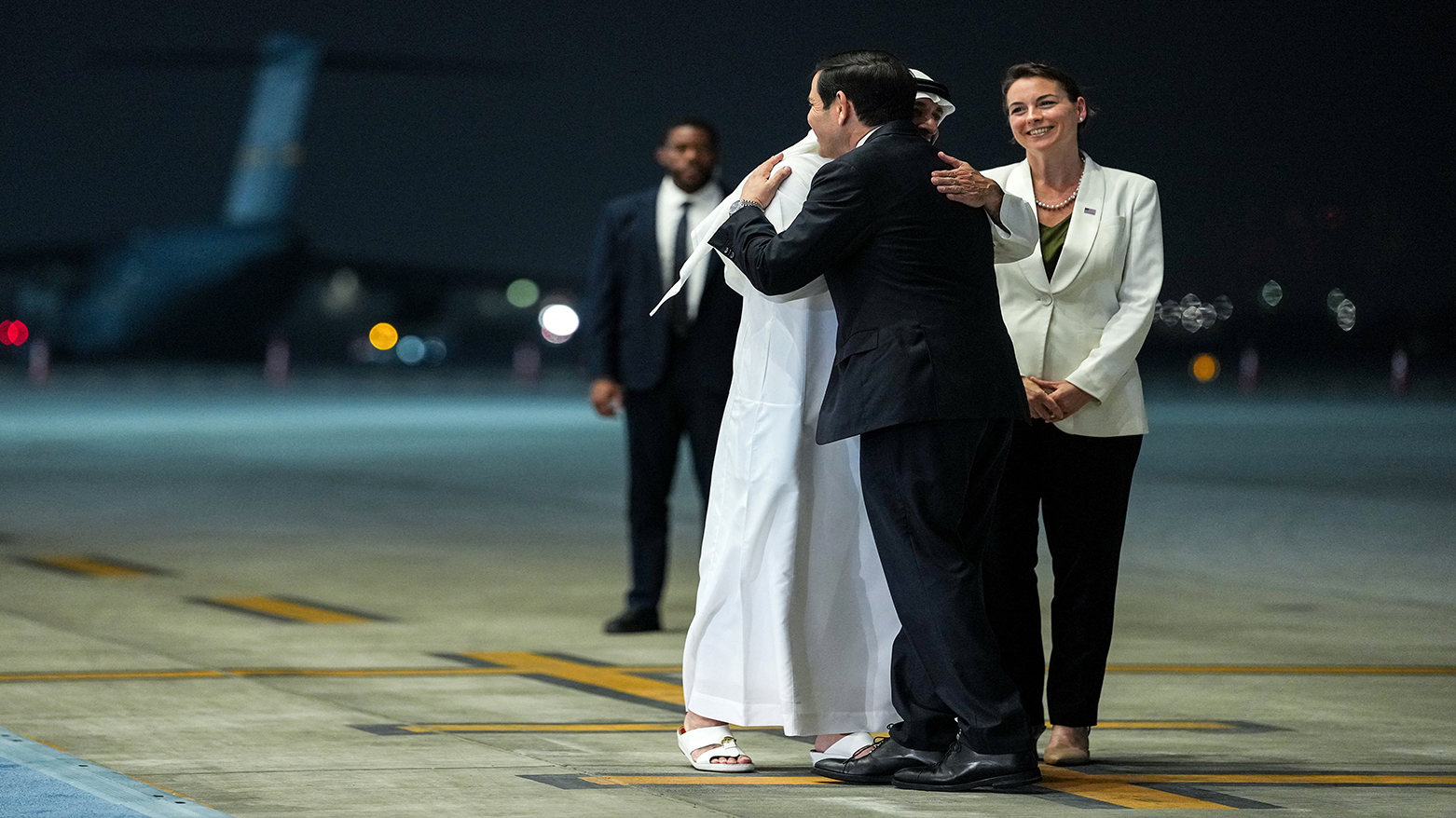
ERBIL (Kurdistan24) — U.S. Secretary of State Marco Rubio met with United Arab Emirates President Sheikh Mohamed bin Zayed Al Nahyan on Wednesday as he launched a tour of Gulf countries heavily affected by Iranian attacks during the recent Middle East war.
Rubio arrived in Abu Dhabi late Tuesday and held talks with the Emirati leader before continuing his regional trip to Kuwait and Bahrain, where he is expected to attend a Gulf Cooperation Council (GCC) meeting on Thursday.
The visit marks the first trip by a senior U.S. official to the Middle East since Washington and Tehran signed a memorandum of understanding last week aimed at ending the regional conflict and reducing tensions between the two longtime adversaries.
The tour is widely viewed as an effort by the United States to reassure key Gulf allies that bore the brunt of Iran's retaliatory attacks during the war. The energy-rich Gulf region, which hosts several American military bases, was targeted after U.S. and Israeli strikes on Iran triggered the conflict on February 28.
According to regional assessments, the UAE was hit by more than 2,800 Iranian missiles and drones during the war, more than any other country in the region. Kuwait and Bahrain also sustained significant attacks relative to their size.
Speaking before his meeting in Abu Dhabi, Rubio said he intended to discuss the U.S.-Iran agreement with Gulf leaders, acknowledging concerns that the memorandum does not address Iran's ballistic missile program or its network of regional proxy groups—issues that Gulf states have long viewed as critical to their security.
During the conflict, the UAE repeatedly emphasized that any long-term settlement with Iran should address both its missile capabilities and its regional influence through allied armed groups, according to AFP.
Rubio also addressed the growing debate over the future of the Strait of Hormuz, a vital maritime route through which a large share of the world's oil and gas exports pass.
His comments came after Iran and Oman, which border the strategic waterway, suggested they were considering imposing navigation-related costs on vessels transiting the strait.
“It’s an international waterway. No country is allowed to charge tolls or fees on an international waterway. That’s existing international law,” Rubio said upon arriving in the UAE capital.
The U.S. administration has sought to reassure Gulf partners that their security concerns remain a priority despite the recent agreement with Iran. Analysts, however, note that many Gulf governments had hoped the deal would include stronger provisions regarding Tehran's missile arsenal and regional activities.
While Gulf leaders have maintained close ties with U.S. President Donald Trump and pledged major investments in the American economy, some observers say confidence in Washington's security guarantees has been shaken by the scale of the Iranian attacks during the war.
Rubio's trip is expected to focus not only on the implementation of the U.S.-Iran agreement but also on broader efforts to strengthen regional security cooperation and rebuild confidence among Gulf allies as the Middle East enters a fragile post-war phase.