What is the Hormuz Strait Situation After the US-Iran Agreement?
Commercial vessels have begun crossing the Strait of Hormuz under a newly approved navigation plan following the US-Iran understanding, while diplomatic efforts continue to secure maritime stability and prepare for a new round of negotiations.
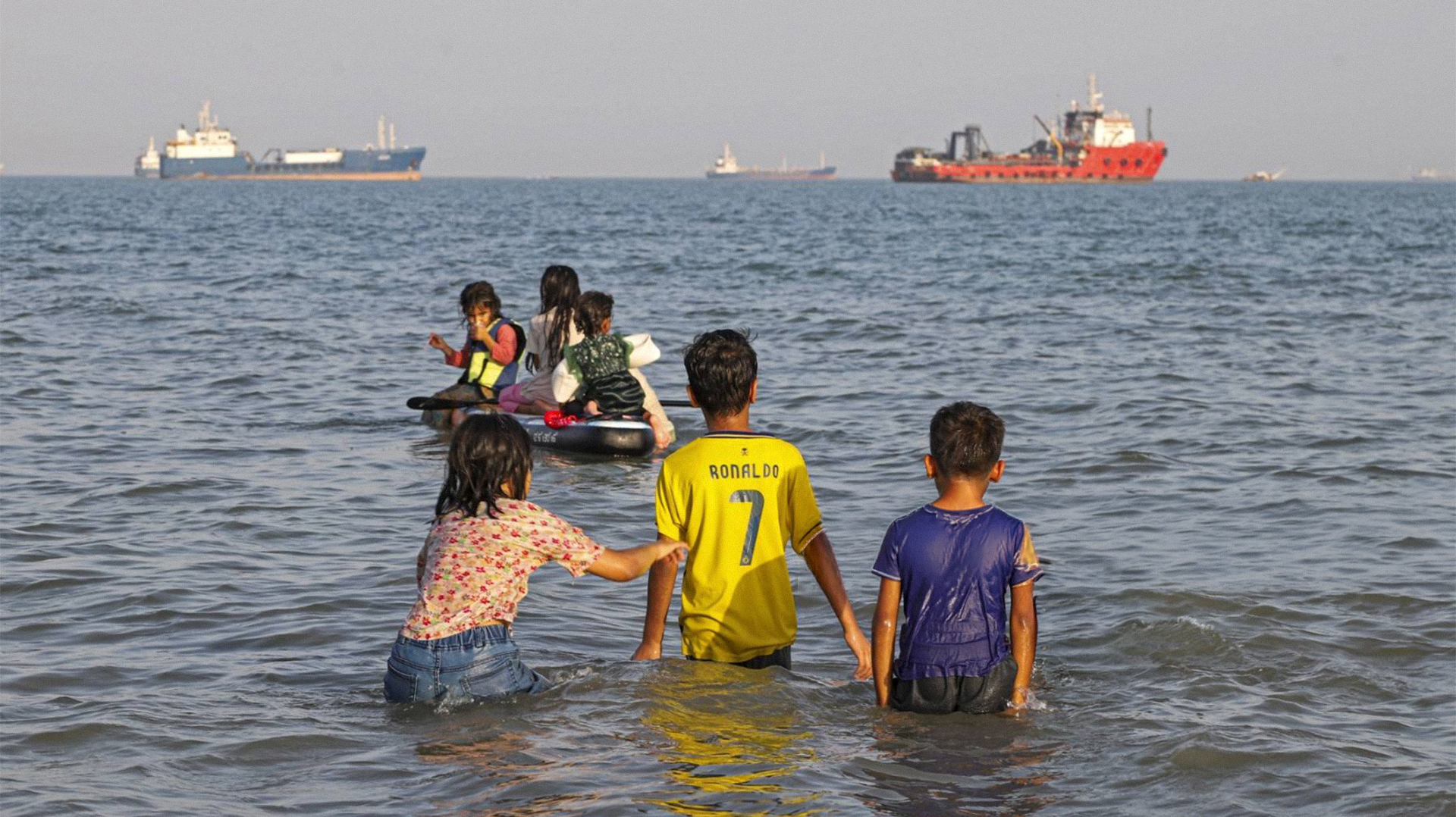
ERBIL (Kurdistan24) - Signs of a gradual return to normal maritime activity have emerged in the Strait of Hormuz after the United States and Iran reached an understanding to halt hostilities, allowing commercial shipping to resume through one of the world's most strategically important waterways.
The International Maritime Organization (IMO) announced that vessels have begun transiting the strait under a newly implemented navigation framework designed to ease congestion and safely move ships stranded during the conflict.
The organization said the plan, which took months to finalize, allows hundreds of vessels delayed by the war to leave the area. Around 11,000 sailors had remained stranded aboard ships caught in uncertainty during the fighting.
"Ships have effectively begun crossing," the organization said, without providing details on the types of vessels involved.
Maritime tracking data showed that at least three cargo vessels crossed the strait during the previous 12 hours under the new arrangement.
Reuters maritime analysis also indicated that at least 35 additional commercial vessels, including cargo ships, container vessels, and smaller oil tankers, were preparing to transit the waterway.
Under the new framework, ships may use two separate routes. One passes through Iranian territorial waters in the north, while the second southern route operates under coordination between Oman and the United States.
The IMO urged shipping companies to wait for official guidance before moving through designated transit zones to avoid congestion and ensure the safety of maritime crews.
The reopening effort follows the recent US-Iran understanding that halted the conflict and created conditions for commercial shipping to gradually resume through the strait.
As maritime traffic slowly recovers, diplomatic efforts aimed at safeguarding freedom of navigation have intensified.
US Secretary of State Marco Rubio met UAE President Sheikh Mohammed bin Zayed in Abu Dhabi on Wednesday, where discussions focused heavily on the memorandum of understanding reached between Washington and Tehran and measures to guarantee safe and unrestricted maritime traffic through the Strait of Hormuz.
According to Rubio, the two sides also discussed broader regional stability and security cooperation.
The US secretary of state praised the UAE's position during the conflict, thanking its leadership for what he described as exceptional support and resilience in the face of Iranian attacks on the region.
Rubio reaffirmed Washington's commitment to the security of the UAE and to strengthening the strategic partnership between the two countries as part of wider efforts to promote stability across the Middle East.
The meeting came during Rubio's regional tour, which began in the UAE and is expected to continue with visits to Kuwait and Bahrain through Thursday.
At the same time, Pakistan announced that technical talks between Iran and the United States are expected to resume next week under the framework of the recently signed memorandum of understanding.
Pakistani Foreign Ministry spokesperson Tahir Andrabi said a new round of technical discussions is expected to begin next week, although no venue or final schedule has yet been officially confirmed.
Andrabi indicated that Tuesday is currently viewed as the most likely date for the talks, while leaving open the possibility of meetings taking place on Monday or Wednesday.
The announcement follows lengthy negotiations held in Switzerland on June 21 between Iranian and US delegations. The talks initially involved political representatives before technical teams continued discussions on unresolved issues.
According to the memorandum signed last week, both sides aim to reach a final agreement within a 60-day period, with the possibility of extending the negotiations if necessary.
The reopening of shipping lanes in the Strait of Hormuz, combined with renewed diplomatic engagement between Washington and Tehran, marks the clearest sign yet of de-escalation following months of tensions that disrupted global energy markets and maritime trade.
While important issues remain unresolved, the resumption of vessel traffic and preparations for further negotiations suggest both sides are seeking to preserve the current understanding and prevent a return to confrontation.