Iran Says It Targeted U.S. Bases After Washington's Strikes on Military Sites
Iran's Islamic Revolutionary Guard Corps says it launched attacks on US military positions in the Gulf in response to American strikes, while Washington warns further violence will be met with force.
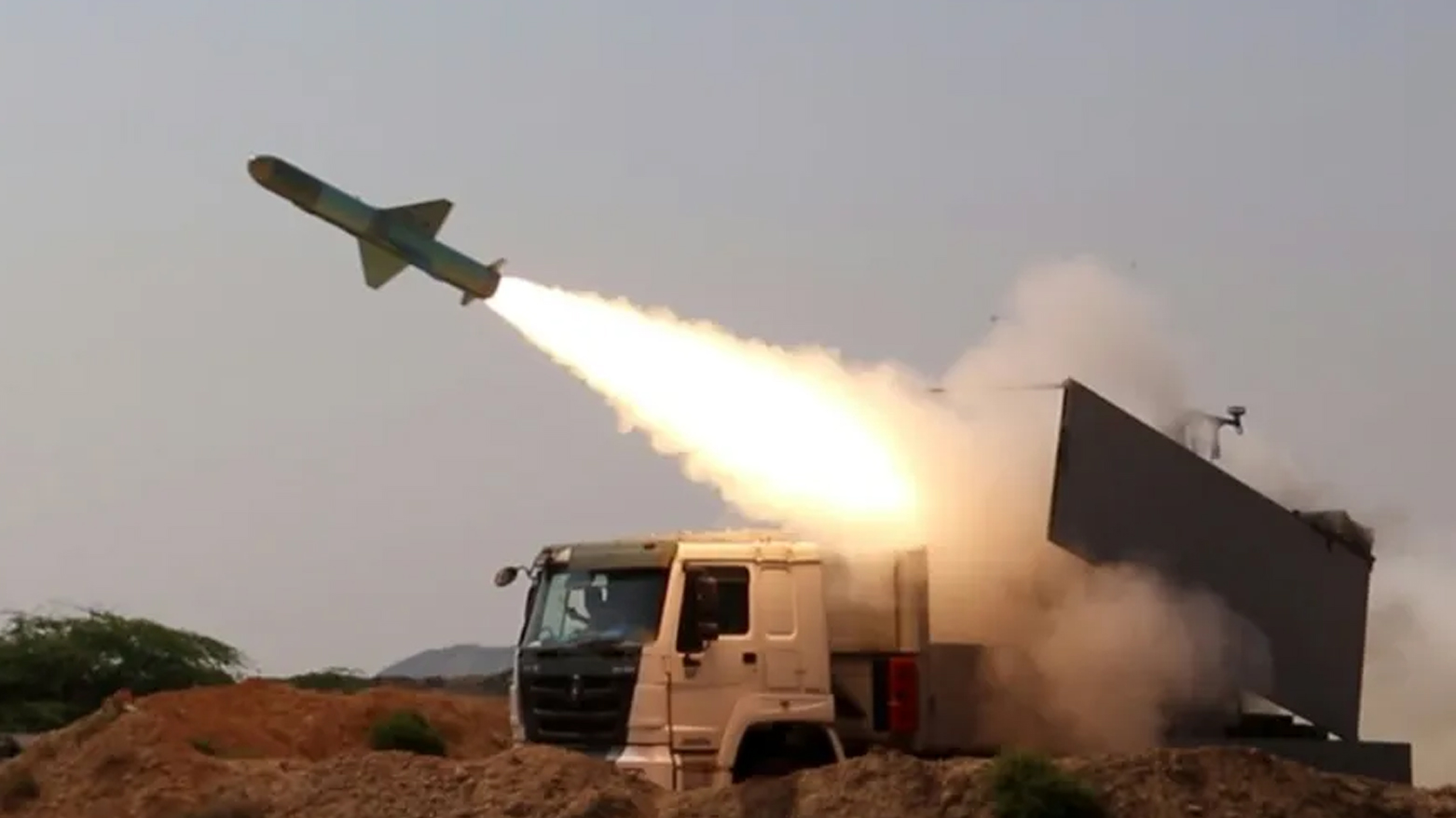
ERBIL (Kurdistan24) - The military confrontation between Iran and the United States intensified on Friday after Iran's Islamic Revolutionary Guard Corps (IRGC) announced it had targeted several US military positions in the Gulf, describing the operation as retaliation for American strikes on Iranian military infrastructure.
On Friday, the IRGC said its naval forces had carried out attacks against US military bases in the region in response to Washington's recent strikes.
In its statement, the IRGC warned that any further attacks by the United States would trigger a much broader response.
The force also reiterated that, under the ceasefire agreement, control over maritime traffic through the Strait of Hormuz rests with Iran.
Earlier, US President Donald Trump blamed Iran for the attack on a commercial cargo vessel and accused Tehran of violating the ceasefire agreement reached last week.
US Vice President JD Vance said Washington had honored the ceasefire agreement, adding that if Iran had concerns over its implementation, it could have communicated with the United States instead of resorting to force.
"Iran signed a ceasefire agreement. We have honored it. If they have disagreements about how the MOU is being applied, they can pick up the phone. But violence will be met with violence," Vance said.
Iran signed a ceasefire agreement. We have honored it. If they have disagreements about how the MOU is being applied, they can pick up the phone.
— JD Vance (@JDVance) June 26, 2026
But violence will be met with violence. https://t.co/VWnBS1PWaV
Regional and economic developments
The escalation came as Israel and Lebanon signed a framework agreement aimed at ending the conflict between Israel and Hezbollah, although Hezbollah has announced that it will not cooperate with the implementation of the agreement.
On the economic front, oil prices had fallen by three percent before the latest escalation, following a partial normalization of oil tanker traffic through the Strait of Hormuz.
US Secretary of State Marco Rubio and the Gulf Cooperation Council countries also issued a joint statement calling for the unconditional freedom of maritime navigation.
Iran, however, maintained that administration of the Strait of Hormuz should remain solely between Iran and Oman, while warning Gulf states against supporting Washington.
According to CENTCOM, American forces struck Iranian missile and drone storage facilities, as well as coastal radar sites, in response to what Washington described as Iran's June 25 drone attack on the Singapore-flagged cargo ship M/V Ever Lovely in the Strait of Hormuz.
CENTCOM said the vessel sustained damage but continued its voyage, describing the alleged Iranian attack as an unjustified act of aggression that violated the ceasefire agreement and threatened freedom of navigation through one of the world's most important maritime trade routes.
The command added that US forces continue to coordinate the safe passage of commercial vessels and remain deployed to ensure the agreement with Iran is upheld.
The exchange of accusations and retaliatory military actions marks another sharp escalation in tensions between Tehran and Washington, adding fresh uncertainty to regional security despite the existing ceasefire agreement.