United Nations Warns Strait of Hormuz Has Entered Dangerous Phase
The United Nations says the Strait of Hormuz is passing through an exceptionally sensitive period, urging all parties to uphold their commitments and safeguard freedom of navigation.
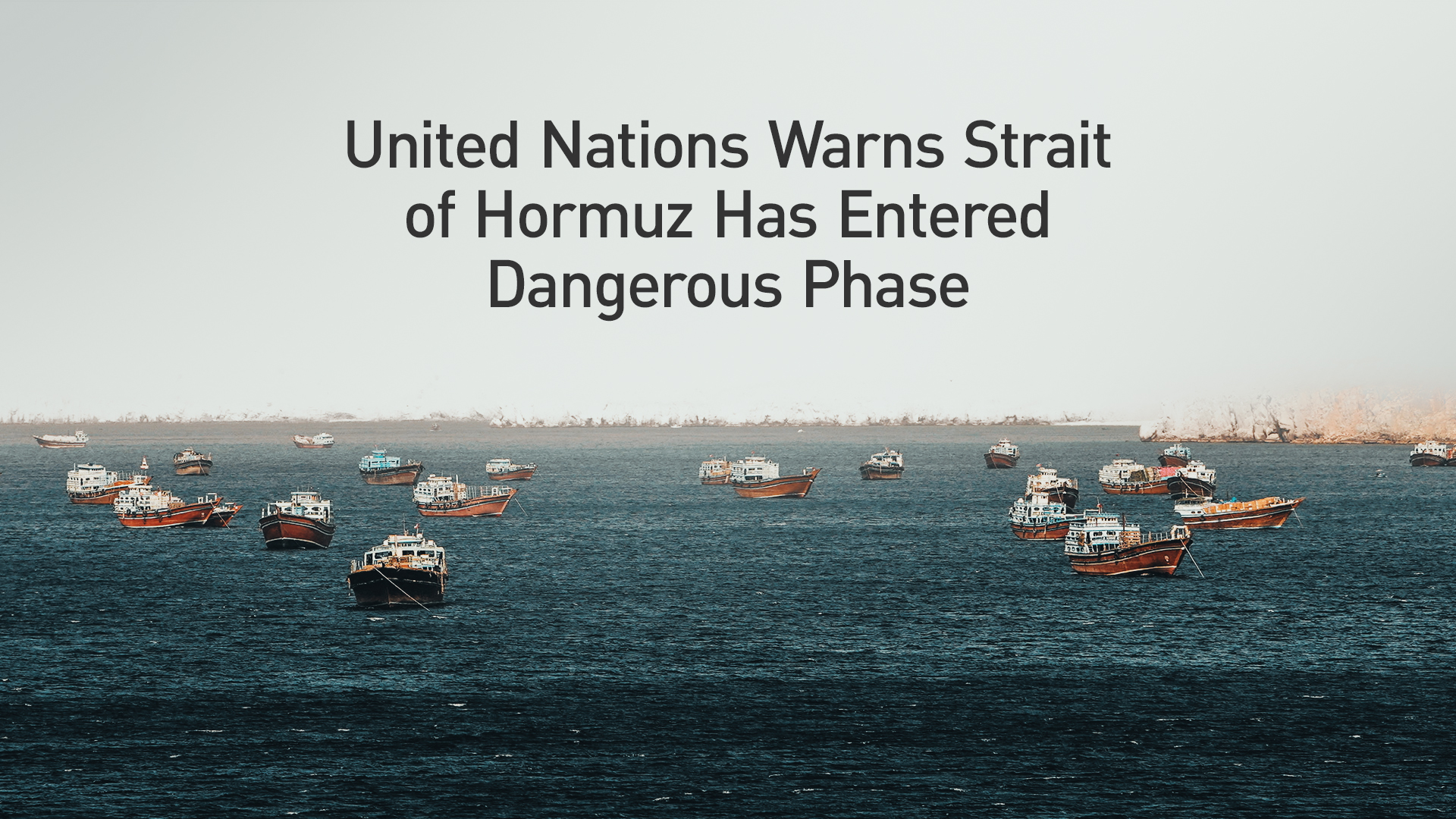
ERBIL (Kurdistan24) - The United Nations has warned that the Strait of Hormuz has entered a highly sensitive and dangerous phase, as rising military tensions and conflicting narratives surrounding the US-Iran ceasefire raise fresh concerns over one of the world's most vital maritime trade routes.
On Friday, Stephane Dujarric, Spokesperson for the UN Secretary-General, told a press briefing that the organization is witnessing significant differences in how the various parties interpret the agreement reached between the United States and Iran.
Dujarric stressed the importance of all parties honoring the commitments outlined in the US-Iran ceasefire agreement.
He also reaffirmed that the United Nations wants the Strait of Hormuz to remain permanently open and governed by the principle of freedom of navigation for commercial shipping.
The UN spokesperson urged regional and international actors to prioritize global stability and the safety of the thousands of seafarers currently operating in the strategically sensitive waterway.
The warning comes amid renewed tensions in the Strait of Hormuz.
Iranian state television reported that the Islamic Revolutionary Guard Corps had detained three oil tankers that allegedly attempted to pass through the strait without authorization.
Meanwhile, US President Donald Trump accused Iran of launching four one-way attack drones at commercial vessels transiting the waterway, describing the incident as a "foolish" violation of the ceasefire agreement and warning that Washington would respond.
The Strait of Hormuz, located between Iran and Oman, is one of the world's most important maritime chokepoints, with nearly one-fifth of global oil supplies passing through it.
According to the information provided, the closure of the strait in recent months disrupted global energy markets and drove fuel prices higher.
The waterway was reopened on June 18 after the United States and Iran reached an agreement aimed at reopening the passage and ending the conflict that had begun on Feb. 28.
As tensions continue to mount, the United Nations has renewed its appeal for restraint, warning that preserving freedom of navigation and regional stability remains essential to preventing a broader crisis.