The 129: Inside the Midnight Raids and Iraq's Widening Institutional Reckoning
A prepared list of 129 current and former officials signals a transition from anti-corruption rhetoric to a high-stakes enforcement phase, as elite forces pierce the immunity of the Green Zone.
ERBIL (Kurdistan24) - For decades, the promise of a "clean" government in Baghdad has functioned more as a political accessory than a rigorous policy objective. Yet, according to a growing chorus of analysts and a series of dramatic security maneuvers, that paradigm may be shifting.
Following an unprecedented overnight raid by elite forces in Baghdad's fortified Green Zone, reports have emerged of a meticulously prepared "arrest list" containing 129 high-ranking figures, signaling what could be the most aggressive institutional purge in Iraq's modern history.
Atheer al-Shar'a, a prominent political writer and analyst, suggests that the administration of Prime Minister Ali al-Zaidi has crossed a significant rubicon, moving beyond the traditional slogans of reform into the fraught territory of concrete enforcement.
Speaking to Kurdistan24, al-Shar'a revealed that the government has compiled a comprehensive directory of 129 individuals, including current and former ministers, directors-general, and senior state officials, marked for apprehension.
The developments suggest that the political pacts which historically shielded the elite from prosecution are beginning to fray under the weight of a massive, judicially driven investigation.
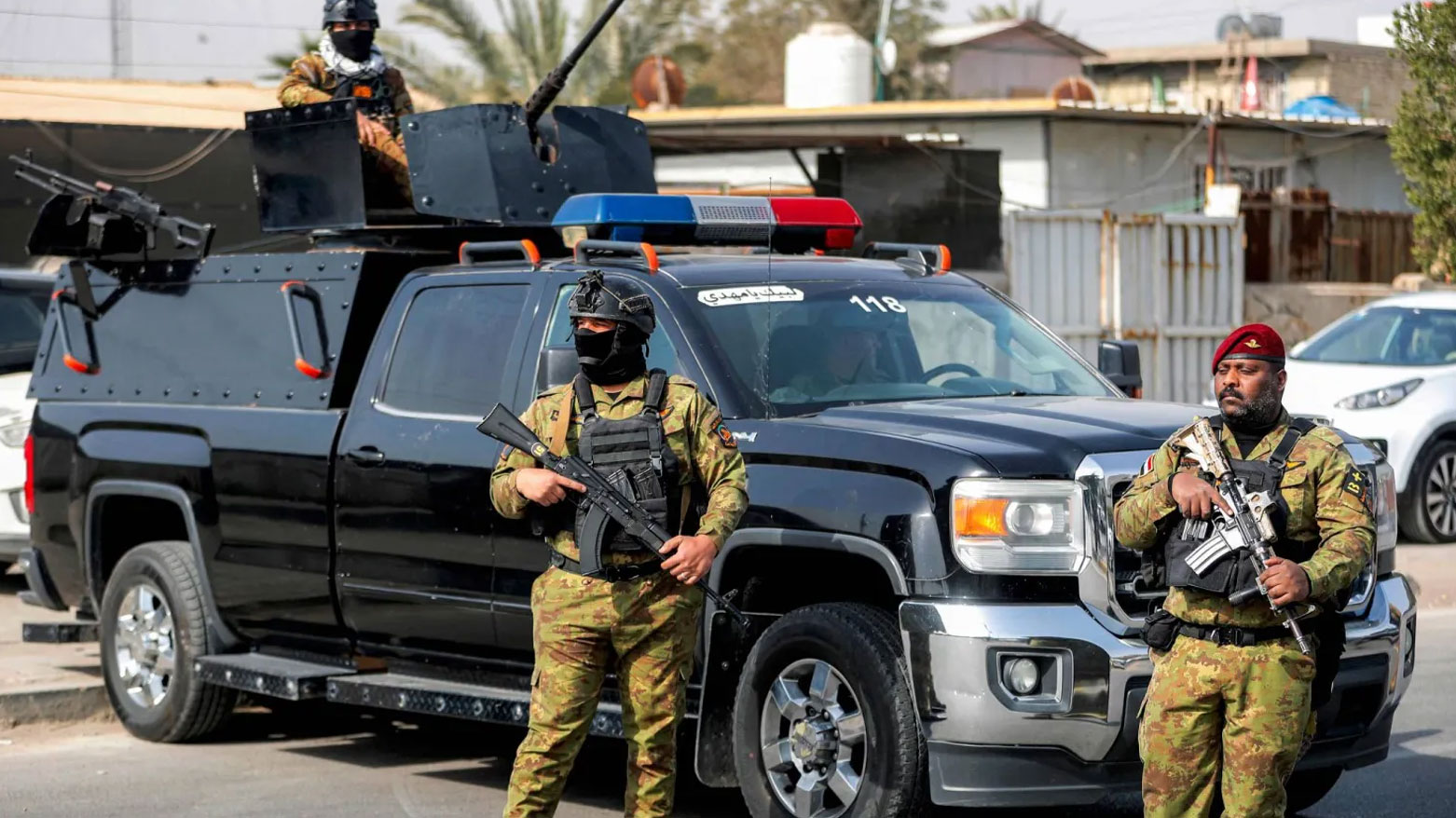
The shift from rhetoric to action was punctuated at 2:00 a.m. on Sunday, when the quietude of the Green Zone was shattered by the rumble of armored vehicles.
As reported by Kurdistan24 correspondent Dylan Barzan, units from the Iraqi Counter-Terrorism Service (CTS) moved with surgical intent, sealing the entrances to the district that houses the nation's parliament and senior-most residences.
Read More: Iraqi CTS Raids Green Zone: Officials Arrested in Corruption Probe
The operation was not merely a show of force; according to al-Shar'a, it resulted in physical altercations between elite federal units and the personal security details of influential officials.
These clashes, while predictable given the stature of the targets, underscored the difficulty of dismantling a graft network that has long been protected by private militias and political immunity.
The judicial foundation of this crackdown is built on staggering evidentiary findings.
The current wave of arrests is inextricably linked to the case of Adnan al-Jumaili, the recently detained Undersecretary of the Ministry of Oil. Confessions following his arrest have opened a Pandora's box of systemic theft, leading to the judicial seizure of more than $85 million in assets.
The details of these seizures have bordered on the cinematic: federal investigators discovered millions in physical cash not in bank vaults, but secreted inside residential walls or buried in pits four meters underground.
The tally includes 98 billion Iraqi dinars, $11 million in U.S. currency, luxury vehicles, and kilograms of gold, a hoard that al-Shar'a suggests is only the tip of a much larger iceberg.
The primary hurdle for the Prime Minister's agenda remains the legal architecture of Baghdad's political class.
Al-Shar'a notes that while the government's intent appears serious, the next phase of the campaign will likely require the lifting of parliamentary immunity for several serving members of the Council of Representatives.
"In the past, we heard successive governments raise the banner of fighting corruption, but no practical steps were ever taken," al-Shar'a observed.
He contends that the current administration is now prepared to challenge these entrenched legal protections, a move that would represent a fundamental break from the "political pacts" that have historically prioritized stability over accountability.
The political stakes of such a campaign are immense.
For Prime Minister al-Zaidi, who is scheduled to visit Washington later this month, the Green Zone operation serves as a dual-purpose signal.
Domestically, it aims to capture a public weary of seeing national wealth siphoned into private coffers; internationally, it seeks to reassure investors that the rule of law can penetrate even the most insulated corridors of power.
Al-Shar'a believes that if the campaign remains consistent and reaches beyond a few sacrificial targets, it could secure massive support from a citizenry that has long viewed anti-corruption efforts with skepticism.
As the sun rose over the Tigris on Sunday, the Green Zone gates were reopened to regular traffic, and a fragile sense of normalcy returned to the capital.
However, the restoration of order appears deceptive. With only a fraction of the 129 names on the "midnight list" currently in custody, the Counter-Terrorism Service operation appears to be merely the opening move in a much longer game.
The true test of this reckoning will not be found in the armored raids, but in whether the Iraqi judiciary can withstand the inevitable political backlash and translate these arrests into lasting institutional change.
|
Summary Iraq's anti-corruption drive has entered a high-stakes phase with the reported preparation of an arrest list targeting 129 current and former officials. Following a dramatic midnight raid in the Green Zone, analysts suggest the government is finally moving from rhetoric to enforcement action. |