Hama Hashim Opens Faces of the Aftermath Exhibition in Romania, Showcasing Kurdish Memory Through Art
"The exhibition features nearly 50 of my artworks, encompassing both large and small pieces. My largest painting measures almost three meters. I transported all these works from Kurdistan to Romania for this special exhibition," he said.
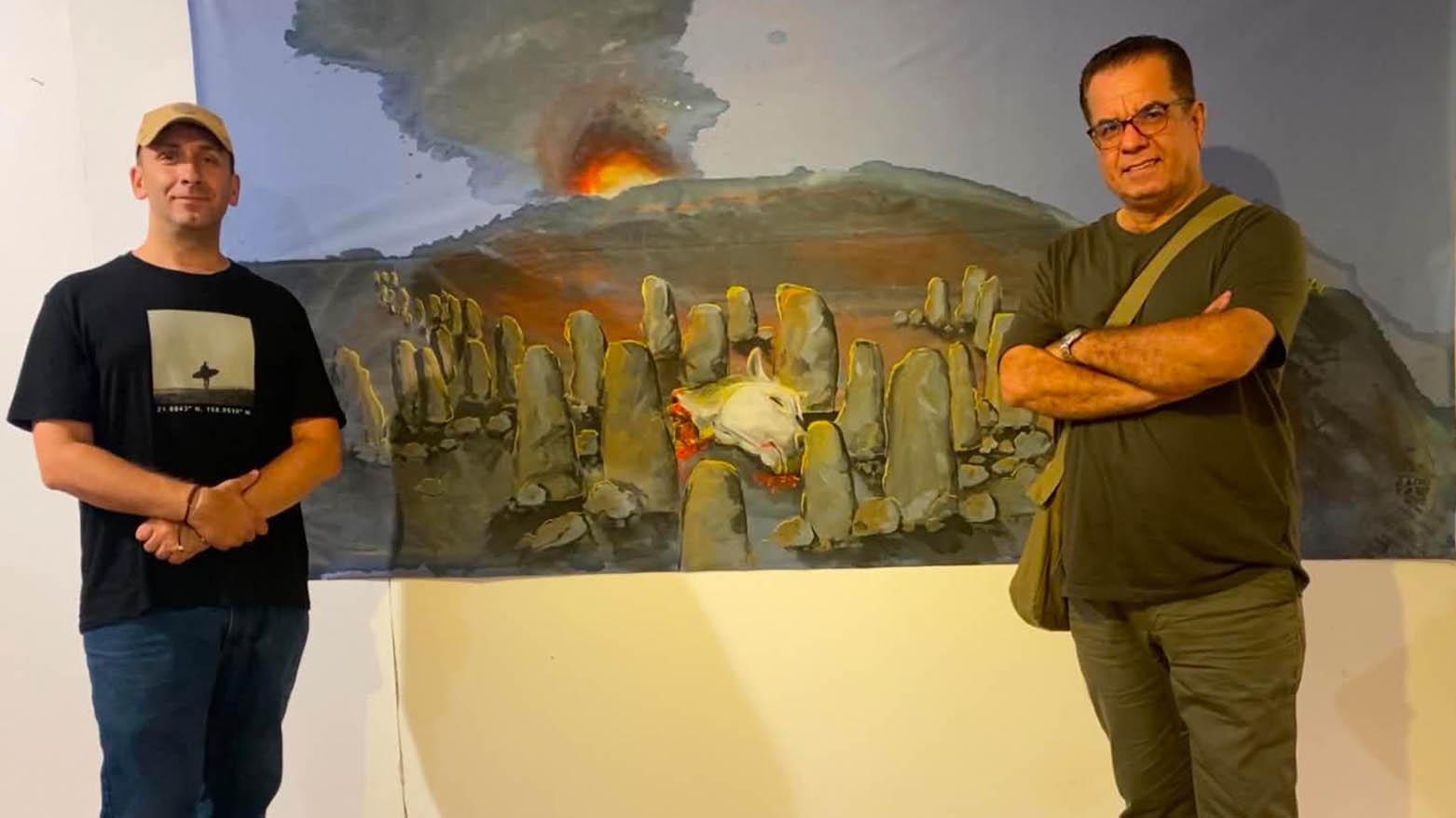
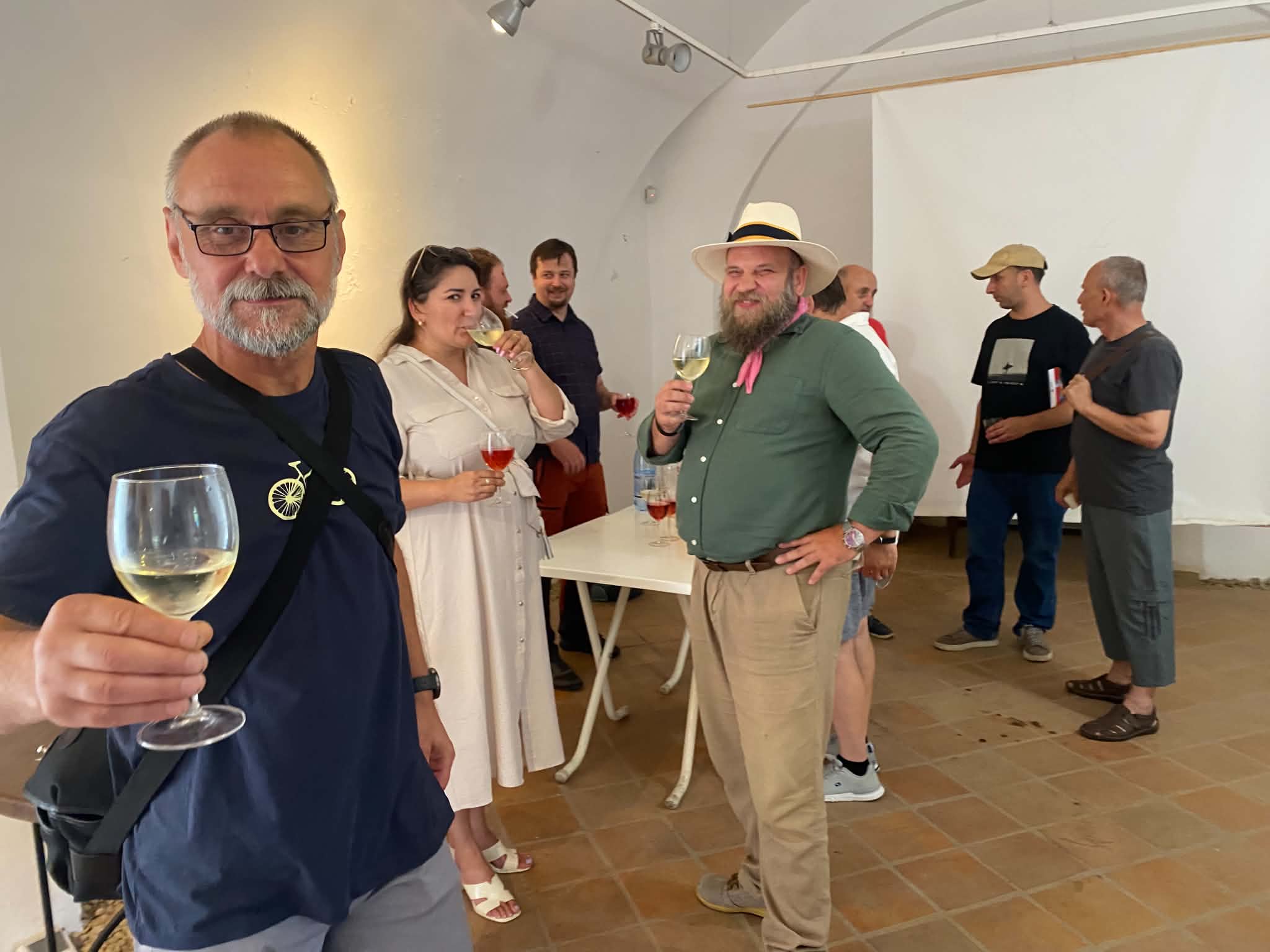
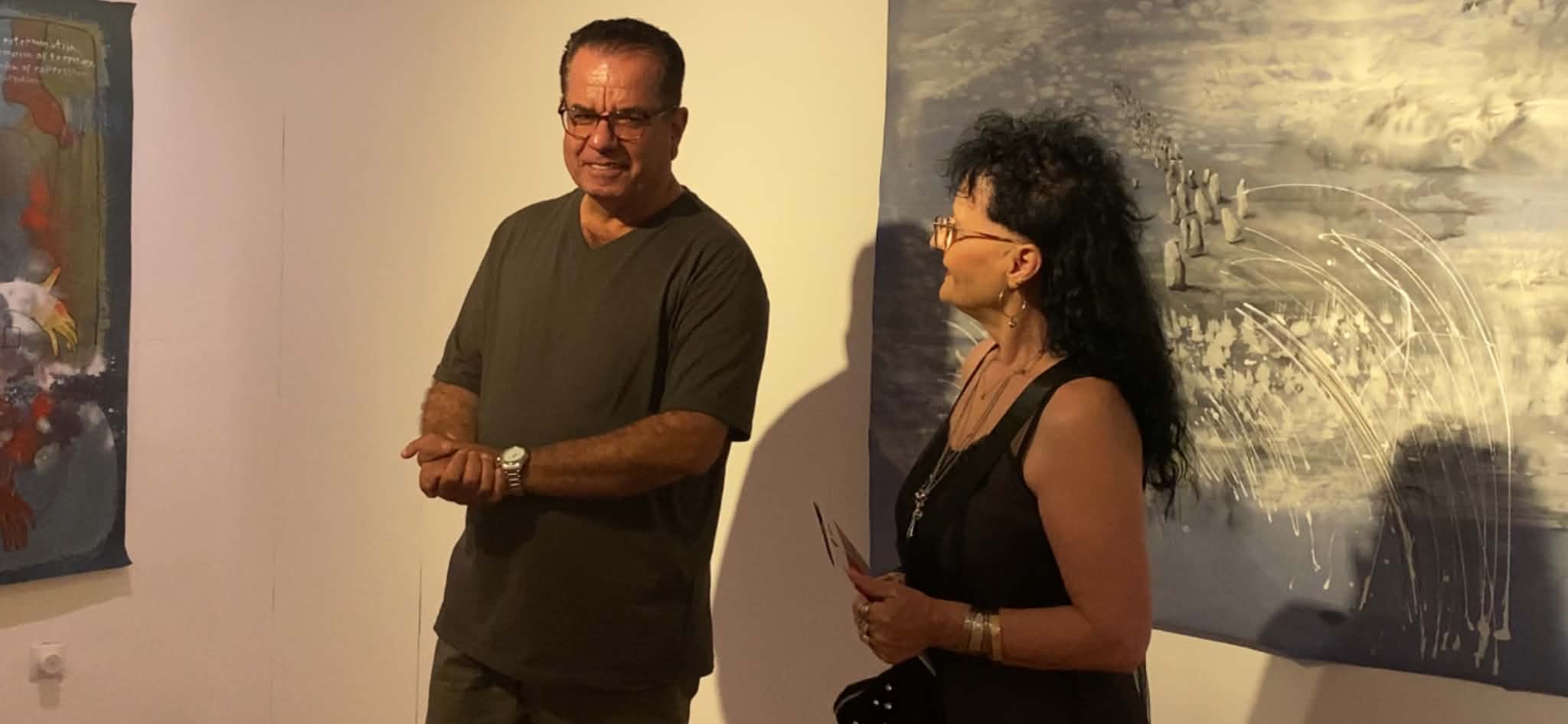
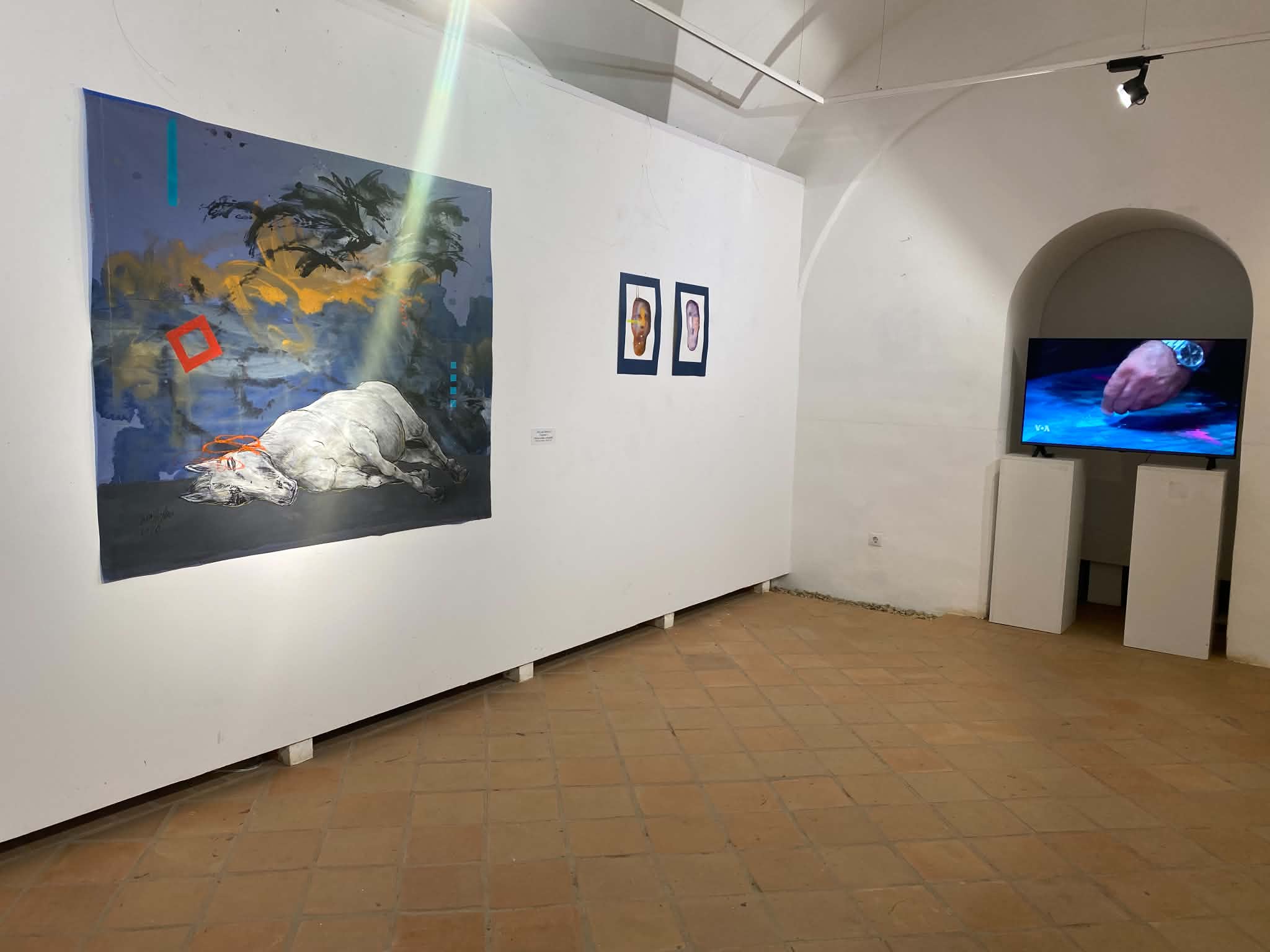
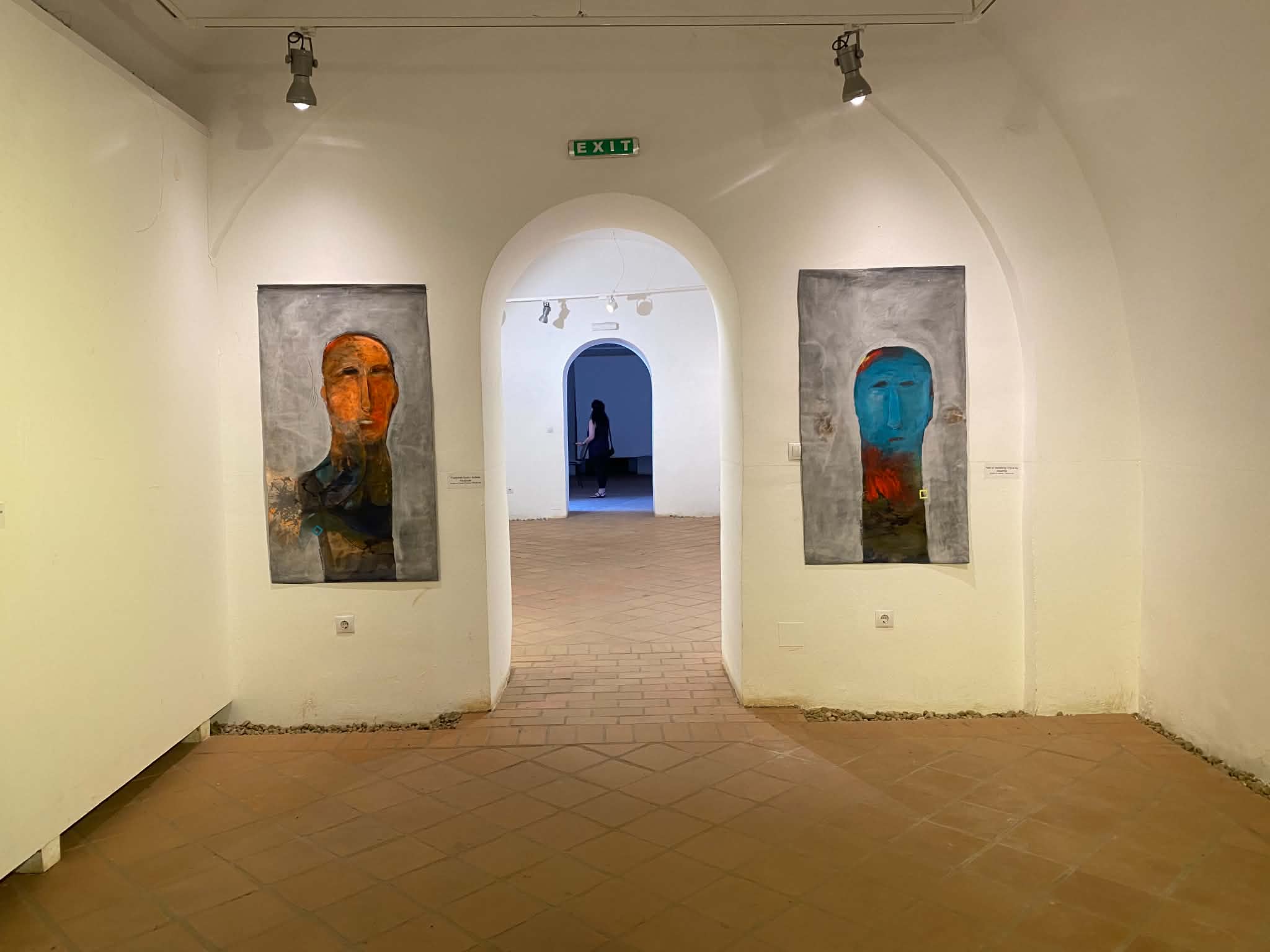
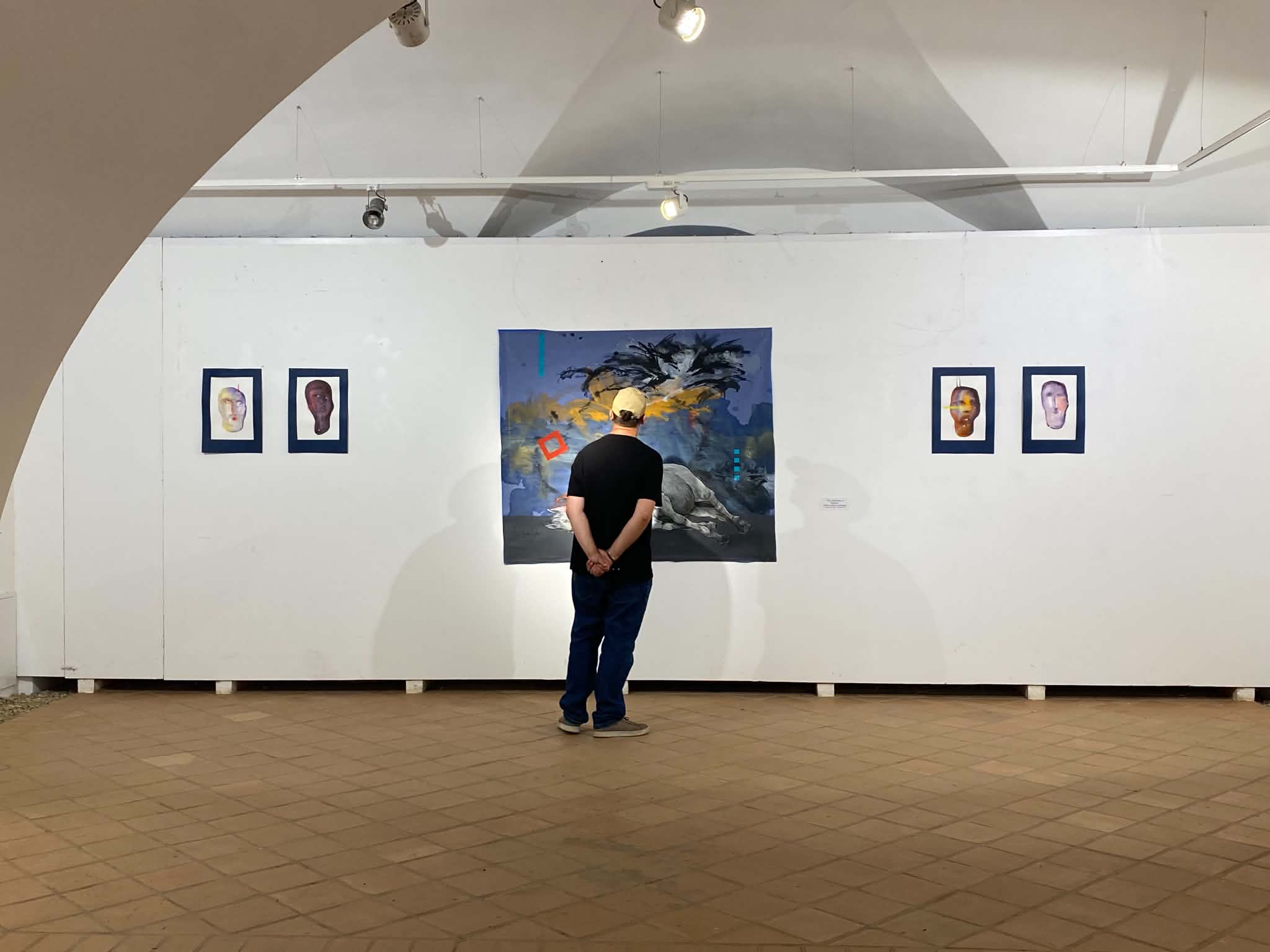
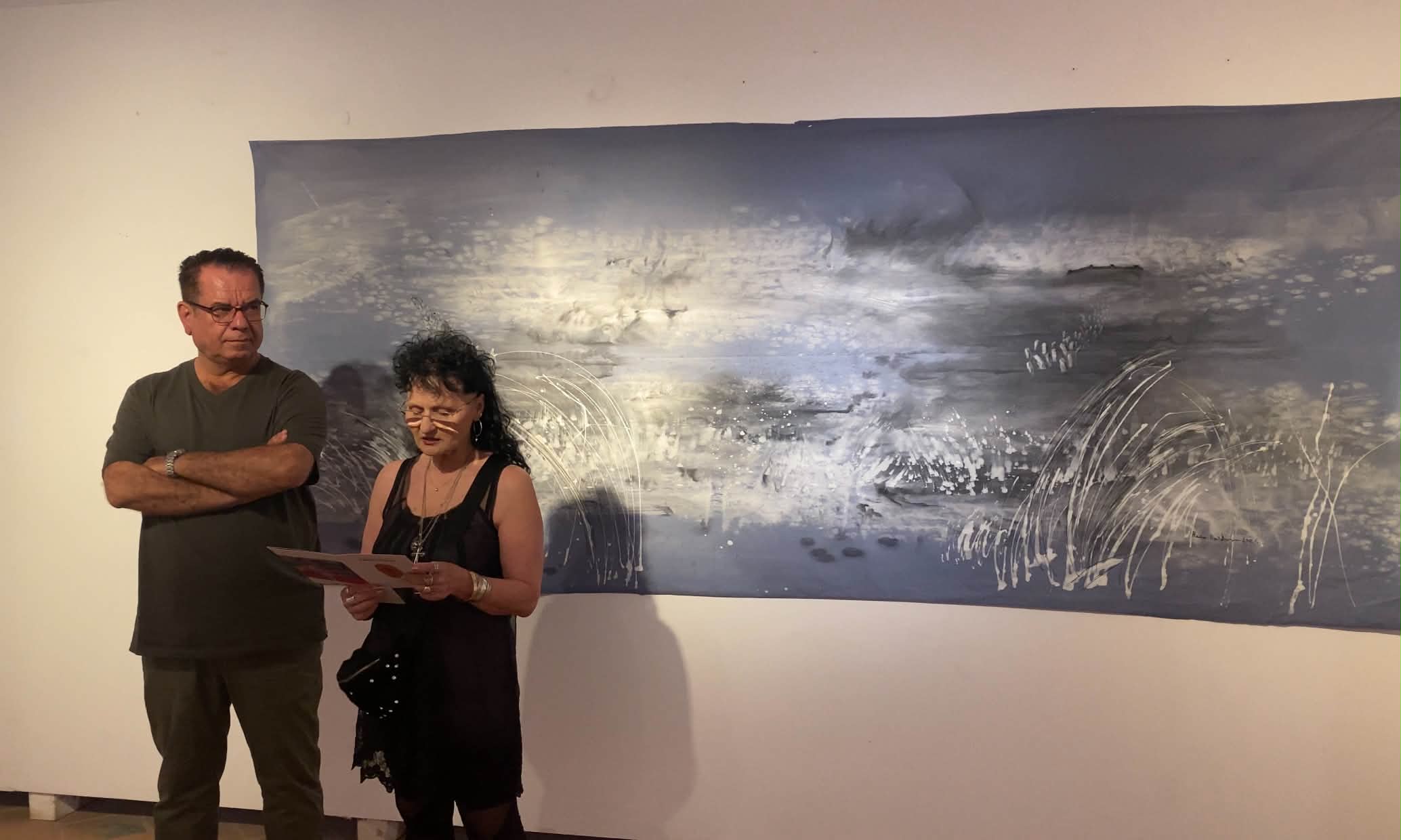
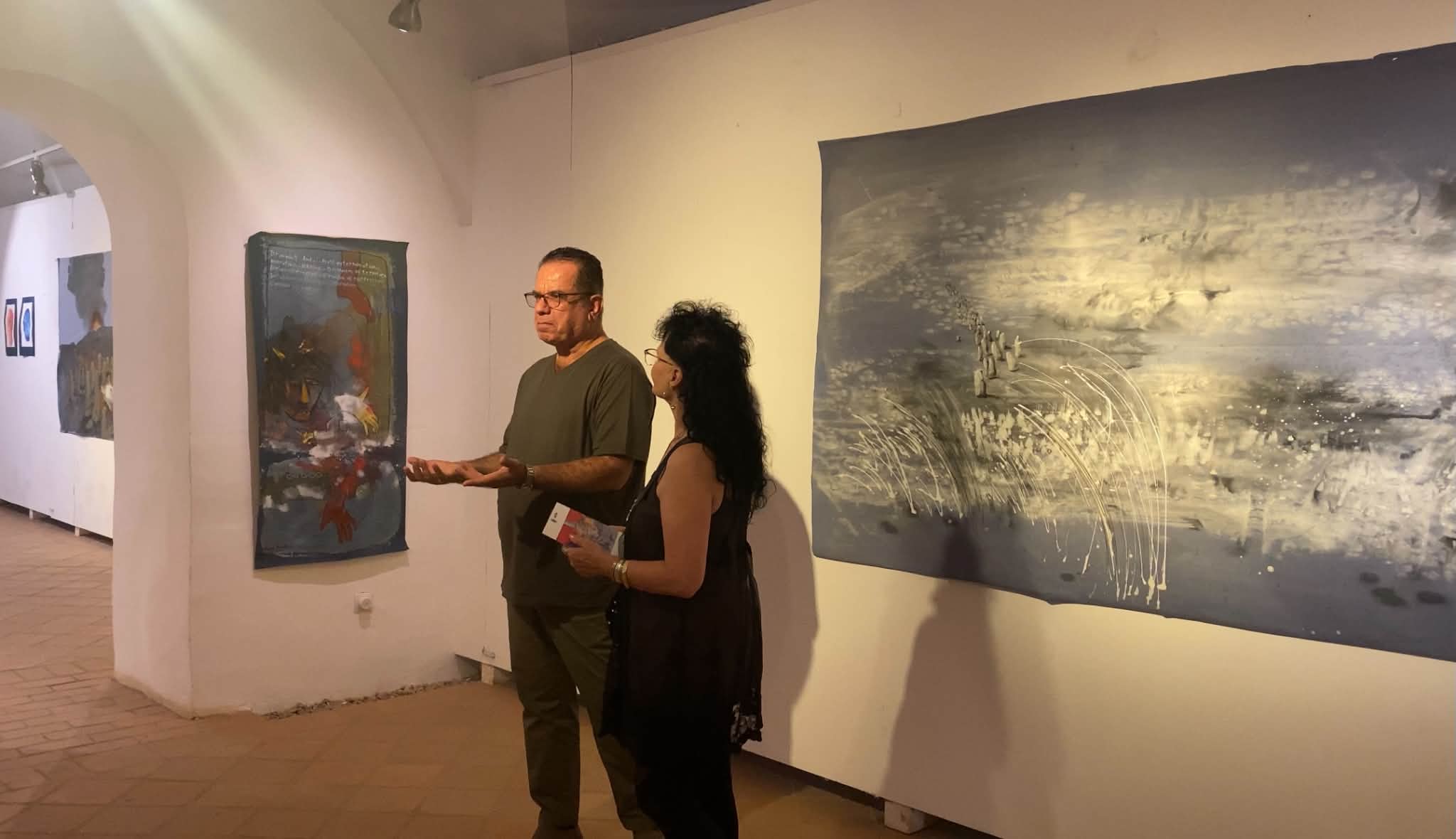
ERBIL (Kurdistan24) — Kurdish painter and writer Hama Hashim on Saturday opened a new art exhibition titled Faces of the Aftermath at the Reperaj Art Gallery in Oradea Fortress, Romania, presenting nearly 50 paintings that explore themes of memory, suffering, resilience, and hope.
Speaking to Kurdistan24 on Saturday, Hashim said the exhibition is an invitation to reflect on humanity's shared experiences through art.
"To me, these are not merely artistic elements; they are silent testimonies to human stories—stories of suffering, resilience, and perseverance," he said.
The exhibition features works of varying sizes, including Hashim's largest canvas, which measures nearly three meters. He noted that all of the artworks were transported from the Kurdistan Region to Romania specifically for the exhibition.
"The exhibition features nearly 50 of my artworks, encompassing both large and small pieces. My largest painting measures almost three meters. I transported all these works from Kurdistan to Romania for this special exhibition," he said.
Hashim emphasized that art is more than an expression of color and form, describing it as a bridge between cultures and peoples.
"Art is not simply about color and shape; it is an ongoing dialogue between cultures and people. Through cultural exchange, we transcend borders and rediscover our shared humanity. I believe such encounters always enrich the human spirit and bring people closer together."
Explaining the vision behind the exhibition, he said his paintings seek to preserve historical memory while transforming pain into creative expression.
"In my artworks, I have tried not only to present form and technique but also to embed the historical pain that is part of our collective memory. For me, when suffering is expressed through art, it can be transformed into a source of creativity and a way of giving deeper meaning to life."
Hashim also stressed that artists remain deeply connected to their communities and histories.
"I believe an artist is never alone; they are always connected to the land, memory, and life itself. Within that connection, art becomes a voice for the things that often exist without words."
According to Hashim, the exhibition is built around three central themes: memory, stone, and history.
"Memory, stone, and history are the three fundamental pillars of this exhibition. To me, they are not merely artistic motifs but silent witnesses to humanity's stories of pain, resistance, and endurance."
He concluded by underscoring the role of art in confronting oppression and preserving humanity's conscience.
"For me, art is humanity's greatest force in standing against oppression and tyranny. Every work of art born from suffering and hope becomes a part of preserving freedom and the conscience of humanity."
Hashim was born in Erbil's Koya district in 1973. A graduate of the Institute of Fine Arts, he has held 15 solo exhibitions across the Kurdistan Region, France, Germany, Poland, India, the United States, Egypt, Iran, and Turkey, while participating in more than 150 group exhibitions worldwide. He is also the author of six books on art, including Van Gogh, Rodin, Sacred Art, Abstract Art, Van Gogh's Letters, and Michelangelo.