Kurdish Flatbread 'Kulera Be Ron' Heads Toward UNESCO Bid
Local cultural figures are preparing a UNESCO nomination for Koya's traditional oil-brushed flatbread, a food that has become a symbol of the historic district.
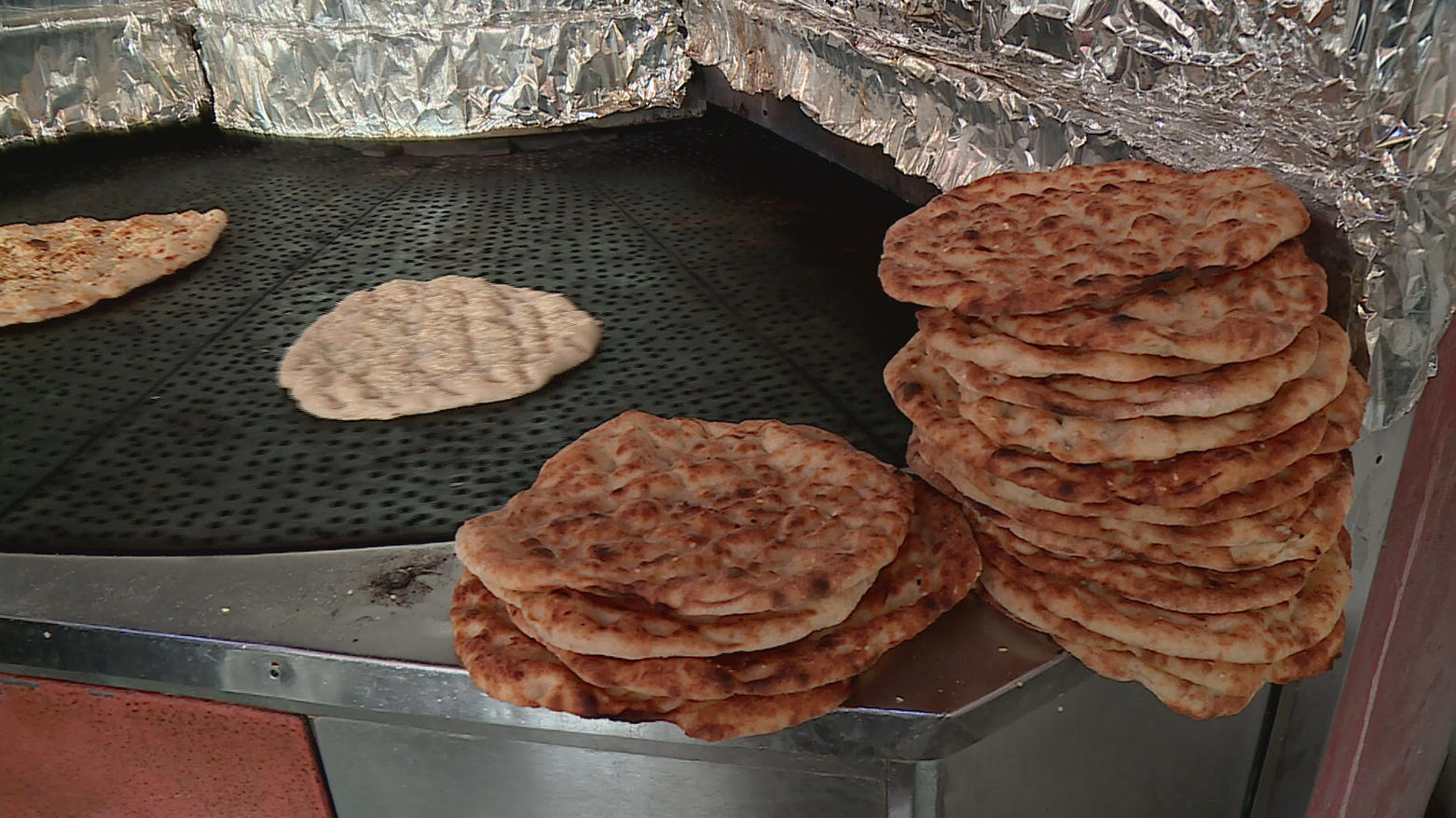
ERBIL (Kurdistan24) - Efforts are underway to seek UNESCO recognition for Kulera Be Ron, a traditional oil-brushed flatbread that has become one of Koya's best-known culinary and cultural traditions.
The initiative aims to have the food included on UNESCO's Intangible Cultural Heritage list, a move supporters say would help preserve its traditional preparation while introducing Koya's culinary heritage to a wider international audience.
Yousef Kamal, a retired teacher in Koya, told Kurdistan24 reporter Shayma Bayiz that Kulera Be Ron has deep historical roots and remains an important part of the district's cultural identity.
He said several efforts have recently been launched to document and register the tradition, adding that preparations for a UNESCO submission have been completed.

Kamal said international recognition could help safeguard the bread's traditional character while promoting Koya's cultural heritage beyond the Kurdistan Region.
The effort is rooted in a tradition that remains active in everyday life rather than preserved solely as a historical practice.
Rebaz Yasin, a local baker who has prepared Kulera Be Ron by hand for nearly 20 years, told Kurdistan24 that demand extends well beyond Koya.
A batch of eight flatbreads sells for about 1,000 Iraqi dinars, according to Yasin, but customers regularly travel from other parts of the Kurdistan Region to purchase the bread.
For some visitors, the tradition has become a reason to return to Koya.

Haji Dilzar Hussein, an engineer and longtime customer, said he has traveled from Erbil to Koya for around 50 years specifically to buy Kulera Be Ron, citing its distinctive taste.
The bread is closely associated with Koya, one of the Kurdistan Region's oldest districts and a town known for its historical sites, traditions and cultural identity. Visitors frequently purchase Kulera Be Ron to take home, making it both a local specialty and an informal symbol of the city.
The UNESCO initiative comes as communities across the Kurdistan Region increasingly seek international recognition for traditional foods, crafts and cultural practices.

For supporters in Koya, the objective is not simply to place a familiar food on an international list, but to preserve the knowledge and techniques passed between generations.
The proposed nomination would also give the district an opportunity to connect its culinary tradition with cultural tourism, potentially drawing greater attention to Koya and its wider heritage.
For now, Kulera Be Ron remains a product of local ovens and family traditions. But with preparations for a UNESCO submission underway, supporters hope Koya's signature flatbread will soon gain recognition far beyond the streets where it has been made for generations.
