Saudi Arabia Surges Oil Shipments Through Strait of Hormuz After US-Iran Deal, Data Shows
Riyadh clears War-era backlog as supertankers return to Gulf terminals, though traffic remains well below pre-war levels amid continued regional tensions
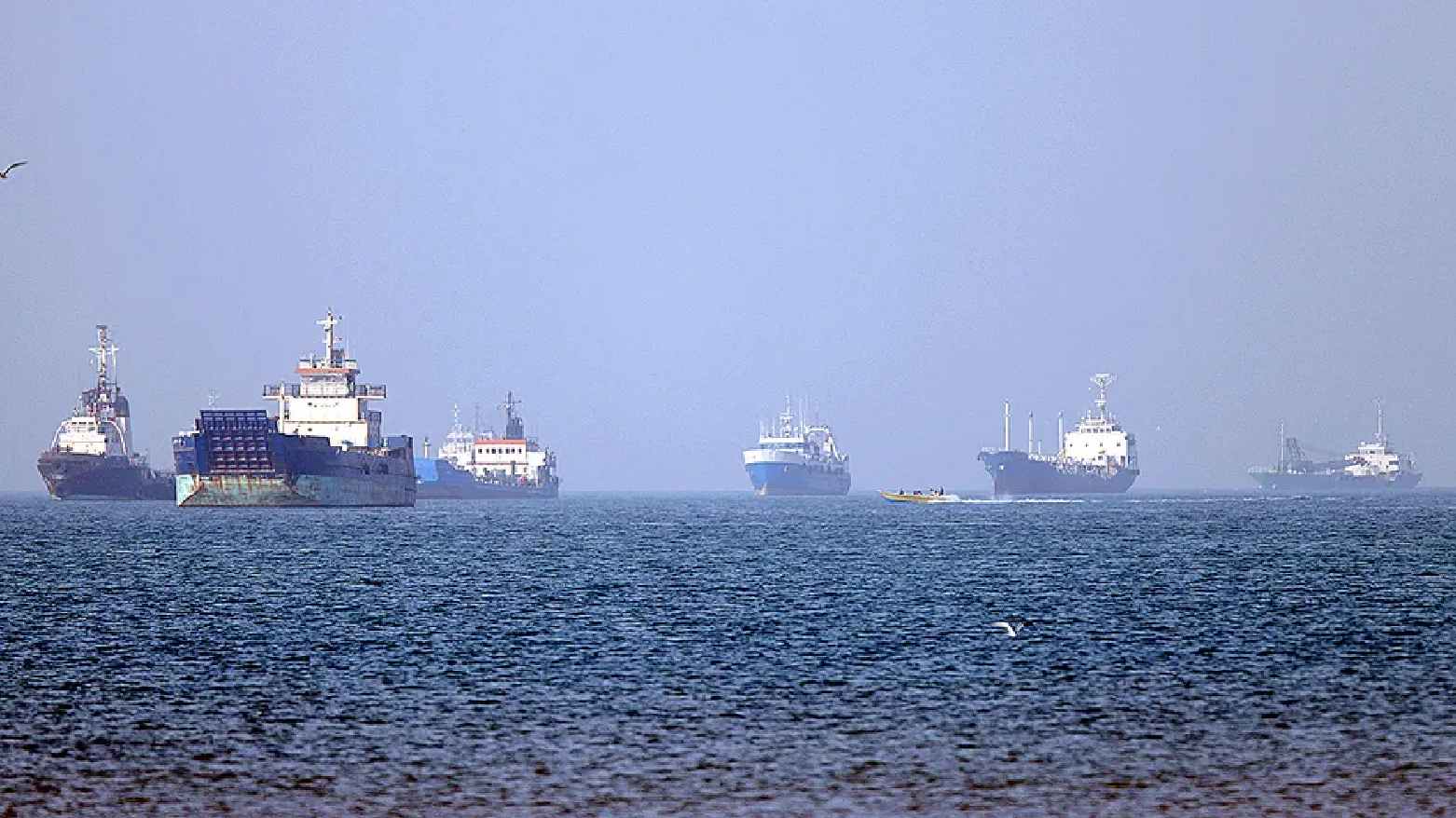
ERBIL (Kurdistan 24) - Saudi Arabia has dramatically accelerated oil shipments through the Strait of Hormuz since the United States and Iran signed an agreement to end the war on June 17, 2026, with the kingdom shipping more than double its wartime volumes through the vital waterway in the two weeks that followed, according to data from trade intelligence firm Kpler.
Riyadh exported approximately 34 million barrels of oil through Hormuz between June 17 and July 1, 2026, Kpler data showed, compared with just 15 million barrels shipped through the strait during the entire period from March 9 through June 17, the 100 days during which the conflict was at its heaviest and tanker traffic through the waterway had plunged due to Iranian attacks.
Clearing a War-Era Backlog
Kpler analyst Jashan Prema told clients in a Thursday note that "Saudi crude flows inside the Gulf are reviving after months of conflict-driven rerouting," attributing much of the surge to the clearing of a significant backlog of oil that had accumulated in the Gulf during the war.
Of the 34 million barrels shipped since June 17, approximately 24 million barrels were loaded during or before the US-Iran war, indicating that Riyadh has been moving stranded cargoes that were unable to exit the Gulf while hostilities disrupted tanker traffic. About 17 million barrels of Saudi oil loaded before the war remain in the Gulf awaiting export, Kpler said.
Ras Tanura and Juaymah Resume Operations
Riyadh largely paused shipments from its two primary Gulf export terminals, Ras Tanura and Juaymah, on March 9, 2026, after Iranian attacks caused tanker traffic through Hormuz to plunge. The kingdom redirected a substantial portion of its oil exports through its East-West pipeline to the Red Sea terminal of Yanbu, bypassing the strait entirely.
That workaround is now being unwound. Prema confirmed that the Saudis are not merely clearing the pre-war backlog but actively restarting their full Gulf export logistics. Kpler data showed that 11 supertankers bound for Saudi Arabia entered the Gulf between June 23 and July 1, with eight having already loaded oil at Saudi terminals and five having successfully exited through Hormuz.
Traffic Recovering but Well Below Pre-War Levels
Despite the Saudi surge, Hormuz traffic remains a fraction of its pre-war norm. Approximately 8.5 million barrels of crude passed through the strait on Wednesday, according to maritime intelligence firm Windward, compared with nearly 15 million barrels per day that transited the waterway in 2025, as recorded by the US Energy Information Administration.
Tanker movements have also shown volatility in the days since the agreement took effect. Traffic fell to just eight ships on Sunday, June 28, 2026, following an outburst of hostilities between the US and Iran over the weekend, during which Tehran attacked two commercial ships, and the US responded with strikes on Iran. By Wednesday, July 1, tanker numbers had recovered to 16, according to Kpler data, suggesting that shipping operators are cautiously returning to the route while remaining sensitive to any new escalation.
A Fragile Revival
The Saudi export surge is the most concrete economic signal yet that the June 17 agreement is producing tangible results in global energy markets. However, the gap between current volumes and pre-war levels, combined with continued incidents of hostility in and around the strait, underscores how much ground remains to be recovered before the Hormuz corridor can be considered fully restored to operational normality.
Iran has also confirmed it will charge vessels fees for transit through the waterway once a 60-day toll-free period stipulated in the memorandum of understanding expires, a development that shipping operators and energy markets will be watching closely as the grace period counts down.
| BRIEF: Saudi Arabia shipped 34 million barrels of oil through the Strait of Hormuz between June 17 and July 1, 2026, more than double its wartime volumes, as Riyadh clears a war-era backlog and restarts Gulf export operations following the US-Iran peace deal, Kpler data showed. |