Türkiye, Iraq Finalize One-Year Oil Export Agreement Through Ceyhan
"Oil flow from Iraq to the Port of Ceyhan will continue. We have finalized an agreement that will cover the next 12 months. We aim to sign it in the coming days and share it with the public," Bayraktar said.
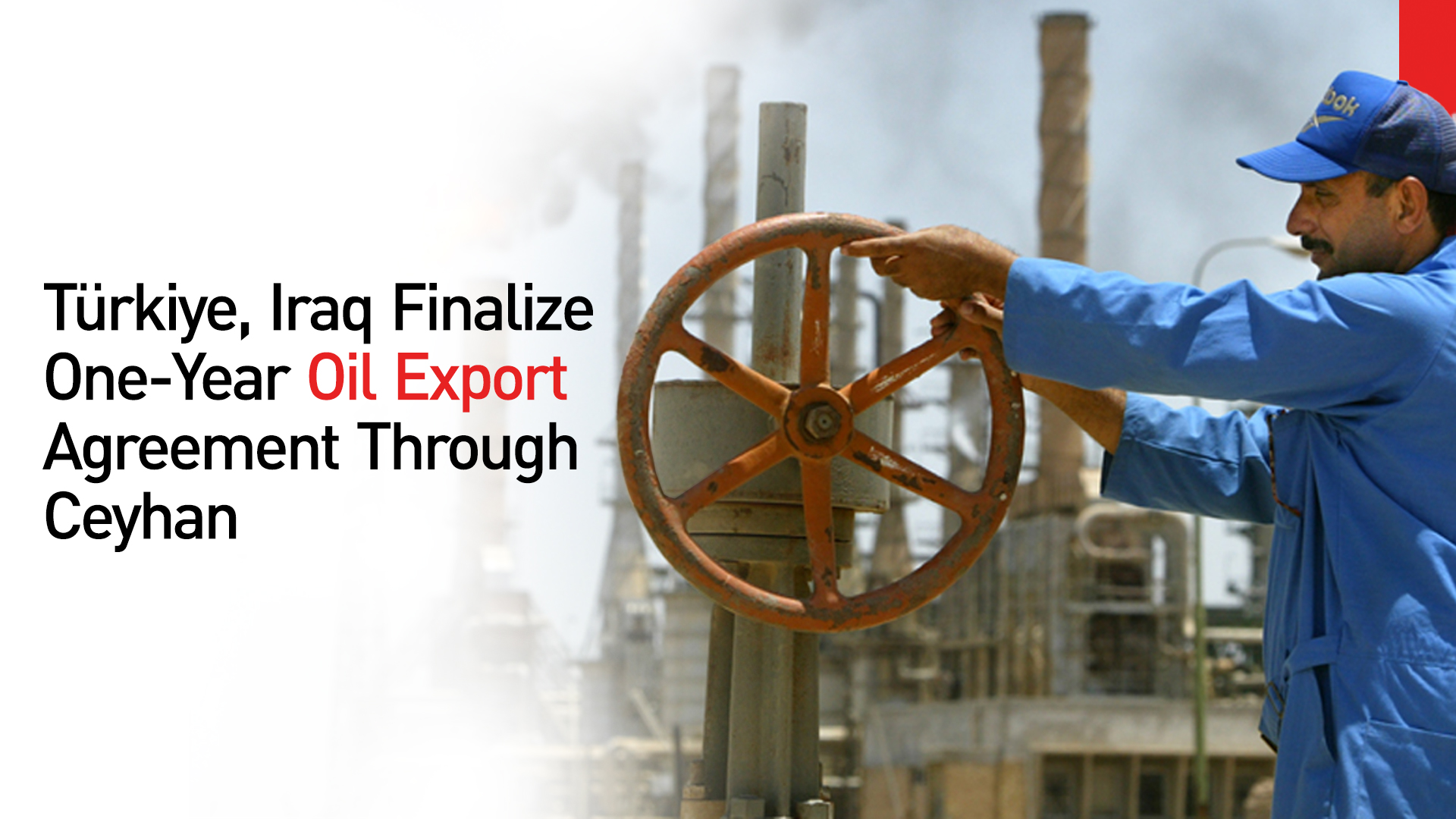
ERBIL (Kurdistan24) – Türkiye and Iraq have finalized a one-year interim agreement to continue crude oil exports from Iraq through the Kurdistan Region pipeline to the Turkish port of Ceyhan, marking another step toward the full resumption of exports after more than two years of disruption.
Speaking at a press conference on Thursday after meeting with Iraqi Prime Minister Ali al-Zaidi and Oil Minister Basim Mohammed Khudair, Turkish Minister of Energy and Natural Resources Alparslan Bayraktar said the two countries had completed negotiations on a 12-month agreement.
"Oil flow from Iraq to the Port of Ceyhan will continue. We have finalized an agreement that will cover the next 12 months. We aim to sign it in the coming days and share it with the public," Bayraktar said.
The announcement comes as Kurdistan Region oil exports continue to recover following a series of agreements between the Kurdistan Regional Government (KRG), the Iraqi federal government, and international oil operators.
In an exclusive interview with Kurdistan24, Khazal Hostani, Director General of Economic Affairs and Contracts at the KRG Ministry of Natural Resources, confirmed that Iraq and Türkiye had reached a one-year interim protocol to maintain oil exports through the Kurdistan Region pipeline to Türkiye's Mediterranean port of Ceyhan.
According to the KRG and Iraqi authorities, major international operators have completed repairs to oil fields damaged by earlier security incidents, allowing production to gradually recover. Iraq's Oil Ministry has stated that no major obstacles remain to restoring output as companies resume normal field operations.
Current production stands at around 260,000 barrels per day, with exports expected to increase gradually toward the pipeline's historical capacity of 400,000 to 420,000 barrels per day. Initial export volumes are expected to range between 230,000 and 420,000 barrels per day as production continues to recover.
Approximately 50,000 barrels per day will remain allocated for domestic consumption and local refineries across the Kurdistan Region.
Under the agreement between Erbil and Baghdad, most of the crude produced in the Kurdistan Region will be delivered to Iraq's State Oil Marketing Organization (SOMO) for international export, while the federal government will assume responsibility for the legal and security framework governing the exports.
The latest agreement is expected to provide greater certainty for international energy companies operating in the Kurdistan Region and strengthen energy cooperation between Iraq and Türkiye as both sides work toward restoring oil exports through the strategic Iraq-Türkiye pipeline.
