Zaxo Approves 50 New Factories as Kurdistan Region Pushes to Broaden Economy Beyond Oil
Industrial expansion, infrastructure investment and new incentives for private capital underscore the Kurdistan Regional Government's strategy to diversify growth across Duhok Governorate.
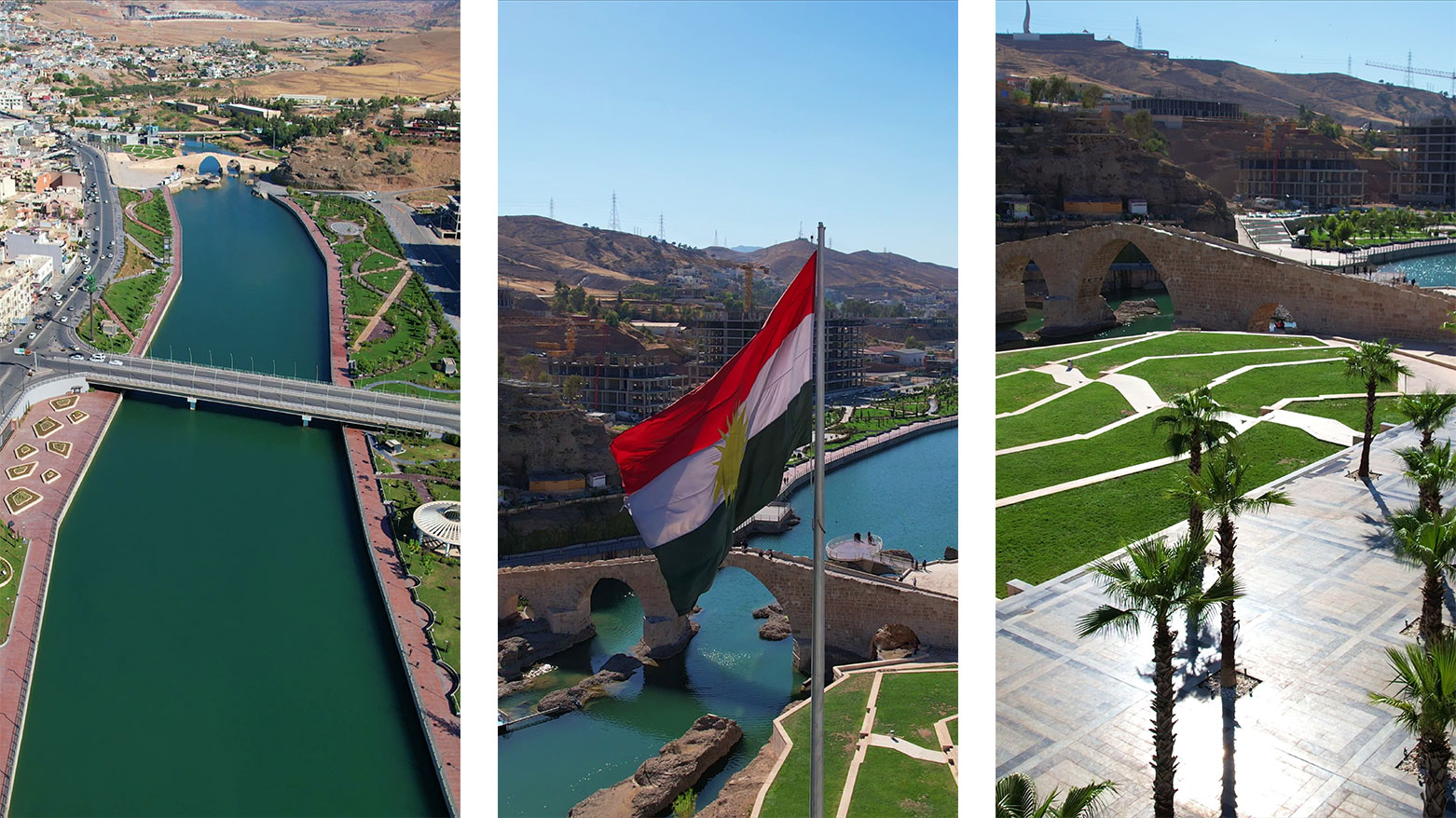
ERBIL (Kurdistan24) - The Indipendent Administration of Zaxo (Zakho) has approved 50 new factories under the Kurdistan Regional Government's Ninth Cabinet economic program, marking a significant step in the Region's effort to broaden public revenue sources beyond the oil sector while expanding industrial activity, creating jobs and supporting long-term private-sector growth.
Speaking to Kurdistan24 on Thursday, Zaxo Independent Administration Supervisor Gohdar Shekho said the industrial projects represent a central component of the government's diversification strategy, with several factories already operating, others under construction and additional facilities expected to become operational in the coming days.
The expansion comes as the Kurdistan Region continues to promote manufacturing alongside tourism, commerce and infrastructure as complementary drivers of economic growth.
Officials have increasingly argued that strengthening non-oil sectors is essential to building a more resilient economy capable of generating employment and attracting sustained private investment.
According to Shekho, the new factories are expected to create employment opportunities, particularly for young people, while helping establish a broader industrial base in Zaxo.
He said the administration is simultaneously investing in sports and tourism as additional pillars of economic activity, reflecting an approach that seeks to diversify both public revenues and local development.
The initiative illustrates the Ninth Cabinet's wider economic strategy of encouraging productive investment rather than relying predominantly on hydrocarbon income.
Manufacturing has emerged as a key priority because of its potential to generate stable employment, strengthen local supply chains and support broader commercial activity.
Combined with continued investment in infrastructure, officials view industrial expansion as an important element of improving the Region's long-term economic competitiveness.
Shekho said the administration aims to develop Zaxo into a model district through coordinated investment across commercial, industrial and tourism sectors. He pointed to ongoing road construction extending toward the international border, describing improved transportation links as an important means of facilitating tourism, supporting commerce and improving access for investors.
He also highlighted Zaxo's position as a destination for sporting activities, saying recreational projects contribute not only to youth engagement but also to broader economic development by attracting visitors and supporting local businesses.
Infrastructure development remains another major component of the administration's plans. Shekho told Kurdistan24 that road paving projects continue across the district and that approximately 95% of streets are expected to be completed in the current phase of construction.
He said the initial phase carries a budget of 45 billion Iraqi dinars, or roughly $34 million, and that additional work is planned to achieve full road coverage.
Alongside transportation improvements, authorities are opening new roads to residential areas designated for distribution to civil servants, part of broader urban expansion intended to accommodate future growth while improving public services.
Development efforts also extend beyond urban centers. Shekho said security agencies have assisted families returning to their ancestral villages and that the government has committed to restoring essential infrastructure, including water and electricity services, to support rural reconstruction.
He added that compensation mechanisms have been established for residents affected by infrastructure projects.
According to Shekho, property owners whose homes or courtyards are impacted by new road construction will receive 200-square-meter land plots and assistance in rebuilding their homes.
The industrial expansion in Zaxo forms part of a wider investment strategy being pursued across Duhok Governorate.
Separately, the Duhok Investment Directorate announced new incentives aimed at encouraging investment in underdeveloped areas, complementing broader efforts to stimulate economic activity beyond major urban centers.
Speaking to Kurdistan24, Dr. Haval Siddiq, Director General of Investment for Duhok, said that under directives issued by Prime Minister Masrour Barzani, investors undertaking projects in designated underdeveloped areas will receive administrative support along with exemptions from service-related fees.
According to Siddiq, a committee has identified several priority areas for investment, including the districts of Akre, Amedi, Sheikhan and Bardarash, as well as the sub-districts of Mangesh and Khanke. Projects serving the public interest in those locations will qualify for exemptions covering services such as water and electricity.
Siddiq said several investors have already expressed interest in launching projects under the new framework and indicated that implementation is expected to begin in the near future.
The measures are intended to encourage private-sector activity in areas that have historically attracted less investment than the governorate's larger commercial centers.
The incentives reflect the Kurdistan Regional Government's broader objective of promoting more balanced regional development by directing investment toward underserved communities while strengthening economic opportunities across the governorate.
According to the Duhok Investment Directorate, the governorate has attracted approximately $15 billion in investment since the Investment Law came into force in 2006, with more than 300 licensed projects.
Most of those investments have been concentrated in housing, followed by tourism and agriculture, providing a foundation for the Region's broader diversification agenda.
Together, Zaxo's industrial expansion and Duhok's new investment incentives illustrate a coordinated effort to strengthen manufacturing, improve infrastructure and expand private-sector participation across the Kurdistan Region.
As new factories move into production and investment projects advance in both urban and underdeveloped areas, officials say the strategy is intended to reduce reliance on oil revenues while fostering more resilient, diversified sources of economic growth.
|
Summary Zaxo has approved 50 new factories under the KRG's Ninth Cabinet strategy to diversify revenue beyond oil, with officials highlighting job creation, infrastructure and tourism. The move aligns with new Duhok investment incentives aimed at accelerating private-sector growth across underserved areas. |