Aquban Dam Strengthens Water Security, Agriculture, and Tourism in Erbil
Located in the village of Aqubani Khwaru in the Hiran sub-district of Shaqlawa district, the dam was completed at a cost of more than 8 billion Iraqi dinars (approximately US$5.6 million).
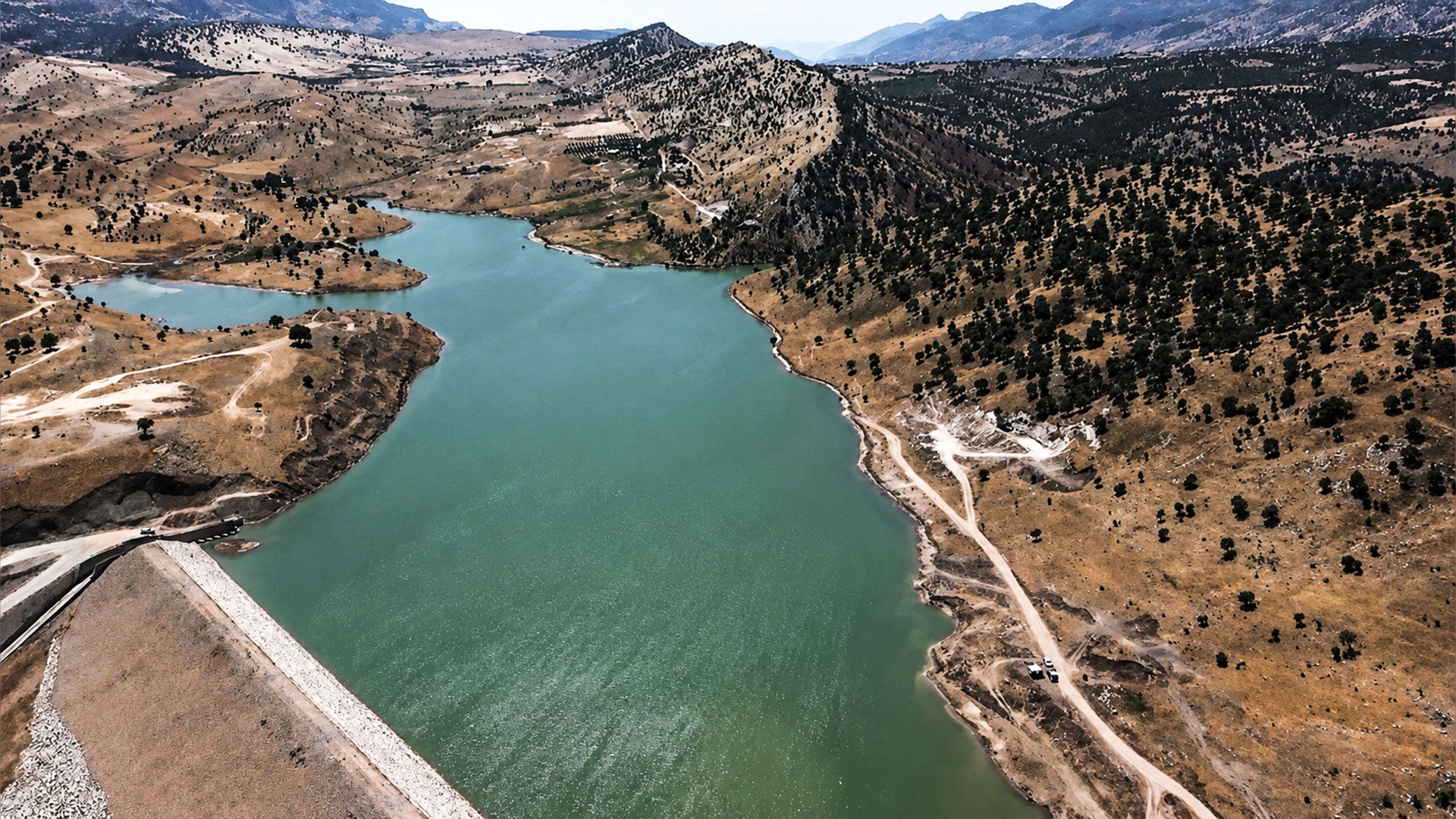
ERBIL (Kurdistan24) – The Aquban Dam in Erbil province has emerged as a key water infrastructure project, strengthening water security, supporting agriculture, and enhancing environmental protection as part of the Kurdistan Regional Government's (KRG) broader climate resilience strategy.
Located in the village of Aqubani Khwaru in the Hiran sub-district of Shaqlawa district, the dam was completed at a cost of more than 8 billion Iraqi dinars (approximately US$5.6 million). Covering an area of 400,000 square meters, the structure stands 31 meters high and has a storage capacity of 2.6 million cubic meters of water.
The project plays a vital role in preserving groundwater resources by replenishing underground water reserves across the surrounding area. It also provides significant economic benefits to nearby communities by supplying reliable water for irrigation and livestock farming, helping improve agricultural productivity and rural livelihoods.
In addition to supporting farming, the dam contributes to fish resource development, environmental conservation, and efforts to combat the growing impact of drought. During periods of heavy rainfall, it also helps regulate water flow, reducing the risk of flooding in nearby villages.
Beyond its practical benefits, the Aquban Dam has become a popular tourist attraction. Surrounded by scenic landscapes and tranquil waters, the site offers visitors a peaceful natural destination while contributing to local tourism.
The project forms part of the KRG's long-term strategy to strengthen water security and build resilience against climate change. The Kurdistan Region currently has 36 dams, including 25 completed projects and 11 under construction. Together with 178 water ponds, the infrastructure network helps conserve groundwater, mitigate floods, support agriculture, and generate hydropower.
Over the past five years, the KRG has completed nine major dams with a combined storage capacity exceeding 252 million cubic meters. Among the most prominent recently completed projects are the Gomaspan Dam and the Bastora Dam, reflecting the government's continued investment in sustainable water management and infrastructure development.