U.S. Embassy in Abu Dhabi Suspends Consular Appointments as Regional Security Crisis Deepens
Washington limits consular services while UAE says Iranian missile strike on two tankers in Strait of Hormuz killed one crew member
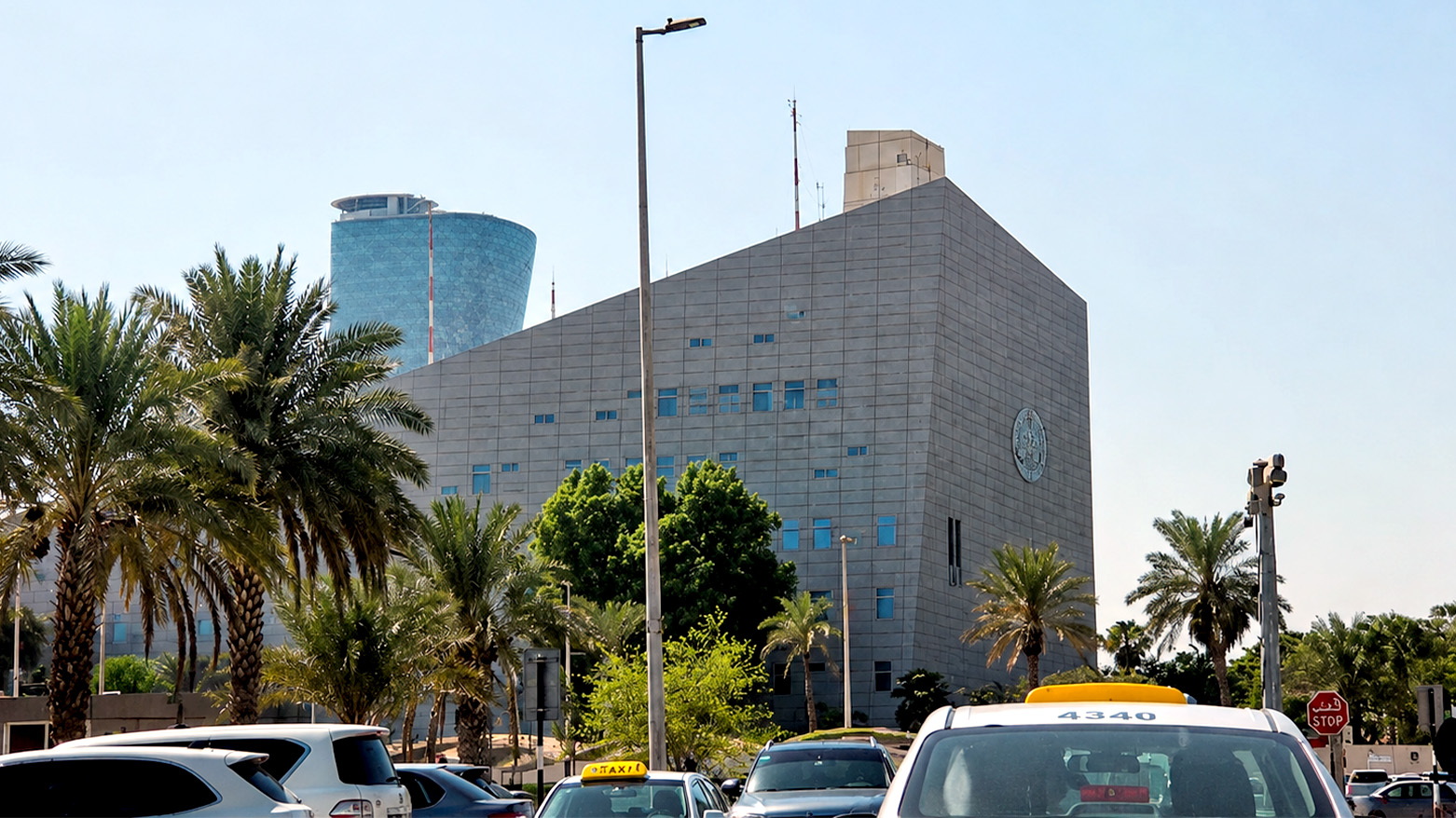
ERBIL (Kurdistan24) — The United States Embassy in Abu Dhabi and the U.S. Consulate General in Dubai have canceled all consular appointments through July 15 amid worsening regional security conditions, as tensions escalated further following Iranian missile attacks on two Emirati oil tankers in the Strait of Hormuz and continued U.S. military strikes against Iran.
In a security alert issued on Monday, the U.S. diplomatic mission announced that all consular appointments scheduled between July 13 and 15 had been canceled.
"If you have an appointment on those dates, Americans should not come to the embassy or consulate. We will contact you to reschedule," the embassy said.
The embassy and consulate also confirmed they remain under ordered-departure status, meaning non-emergency U.S. government personnel have been relocated outside the United Arab Emirates because of the deteriorating security environment.
As a result, only limited emergency consular assistance remains available to U.S. citizens, while all routine U.S. visa services throughout the UAE remain suspended.
American citizens requiring passports or other urgent consular services have been instructed to contact the embassy through its U.S. Citizen Services Navigator for further guidance.
The embassy also urged Americans in the UAE to closely monitor security developments, enroll in the Smart Traveler Enrollment Program (STEP), maintain emergency supplies, keep travel documents readily available, and follow instructions issued by local authorities. It advised residents to avoid windows and glass during any aerial attacks and remain alert to official warnings.
The heightened security measures came as the United Arab Emirates accused Iran of attacking two Emirati tankers transiting the Strait of Hormuz.
According to the UAE Ministry of Defense, the national tankers Mombasa and Al Bahiyah were struck by two Iranian cruise missiles while sailing through the southern shipping lane of the strategic waterway within Omani territorial waters.
The attack killed one crew member, an Indian national, and wounded eight others, including four who suffered serious injuries, the ministry said.
Fires erupted aboard both vessels following the strikes, causing damage before being brought under control.
"The Ministry of Defense condemned this flagrant attack, describing it as a grave violation and a clear breach of international law that threatens regional security and stability," the ministry said in a statement.
The incident followed another night of U.S. military operations against Iran, as U.S. Central Command (CENTCOM) confirmed it had carried out a five-hour campaign targeting Iranian missile sites, coastal defense systems, drone facilities, and maritime assets across southern Iran.
The latest exchanges mark another escalation in the renewed conflict between Washington and Tehran following the collapse of an earlier ceasefire.
The Strait of Hormuz remains one of the world's most strategically important maritime chokepoints, carrying roughly one-fifth of global oil shipments before fighting erupted earlier this year.
Adding to the pressure on Tehran, President Donald Trump announced Monday that the United States would reimpose a blockade on Iranian ports beginning Tuesday while introducing a 20 percent fee on cargo transiting the Strait of Hormuz, saying the measure would help finance U.S. efforts to secure the vital waterway.
The renewed military confrontation and mounting threats to commercial shipping have heightened concerns over global energy supplies and regional stability, prompting governments and diplomatic missions across the Gulf to strengthen security precautions.