U.S. Launches Third Consecutive Night of Strikes on Iran, Targets Coastal Military Sites
CENTCOM says five-hour operation hit missile, drone, and maritime assets as Trump announces new Hormuz blockade and cargo fee
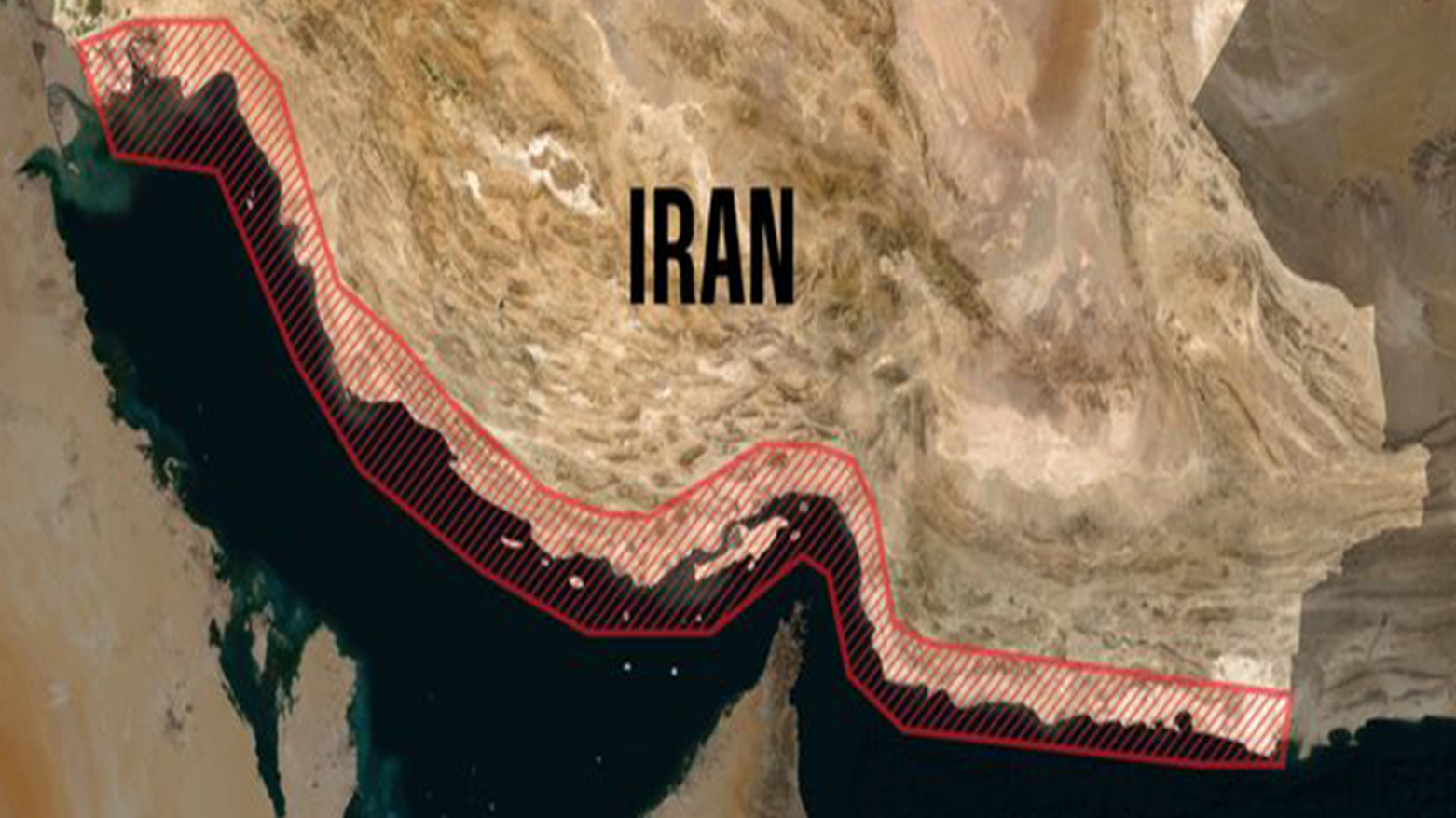
ERBIL (Kurdistan24) — The United States carried out a third consecutive night of military strikes against Iranian targets on Monday, with U.S. Central Command (CENTCOM) saying the operation struck key military infrastructure along Iran's southern coastline to further weaken Tehran's ability to threaten commercial shipping in the Strait of Hormuz.
CENTCOM announced that the latest wave of strikes concluded at 10:15 p.m. Eastern Time on July 13, following a five-hour operation ordered by President Donald Trump.
"During the five-hour mission, U.S. forces successfully struck military targets across Iran, including Bushehr, Chah Bahar, Jask, Konarak, Abu Musa, and Bandar Abbas, to further degrade Iran's ability to attack commercial shipping," CENTCOM said in a statement.
According to the U.S. military, American forces employed precision-guided munitions against Iranian coastal defense systems, missile and drone launch sites, and maritime capabilities.
CENTCOM also emphasized that more than 50,000 U.S. service members remain deployed across the Middle East, adding that American forces are "vigilant, lethal, and ready."
"These strikes will continue imposing a heavy cost on Iranian forces and degrade their ability to attack innocent civilians and commercial shipping in the Strait of Hormuz," CENTCOM stated.
The latest operation comes amid a sharp escalation between Washington and Tehran after President Trump announced plans to reimpose a U.S. blockade on Iranian ports beginning Tuesday while proposing a 20 percent fee on cargo transiting the Strait of Hormuz, one of the world's most strategically important maritime chokepoints.
Speaking at the White House, Trump vowed to intensify military pressure on Iran.
"We're going to hit them very hard tonight, and we're going to hit them hard tomorrow," he said.
Despite the military campaign, Trump maintained that a diplomatic agreement with Iran remained possible.
The renewed fighting follows Iranian attacks on commercial shipping in the Strait of Hormuz. According to the United Arab Emirates, Iranian strikes hit two vessels in the waterway, killing one crew member.
In response to the latest U.S. strikes, Iran's Islamic Revolutionary Guard Corps (IRGC) announced missile and drone attacks against Bahrain, claiming to have targeted facilities used by U.S. forces as well as other sites.
Iran also expanded its attacks against regional U.S. allies. Jordan said its air defenses intercepted four Iranian missiles, while the IRGC claimed it had targeted a U.S. air base in the kingdom and urged Jordanians to demand the removal of American military forces.
The latest attacks follow earlier Iranian strikes on Bahrain, Jordan, Kuwait, and Oman. Iranian military officials warned that any Gulf state cooperating with U.S. military operations would be regarded as committing "an act of war."
The renewed hostilities represent the most significant escalation since the April ceasefire that temporarily halted fighting between the United States, Israel, and Iran.
Last week, the White House confirmed that President Trump had formally notified Congress that U.S. military operations against Iran had resumed, granting the Pentagon an additional 60 days to continue operations without requiring new congressional authorization.
Trump also threatened to destroy Pickaxe Mountain, a heavily fortified underground site near Natanz that Western intelligence agencies suspect is linked to an undeclared Iranian uranium enrichment program.
"Tell the Iranians to be ready. Let them know we're coming—and there's not a damn thing they can do about it," Trump said during an interview with conservative radio host Hugh Hewitt.
On his Truth Social platform, Trump declared that the United States would become "THE GUARDIAN OF THE HORMUZ STRAIT," while reiterating plans to impose a 20 percent fee on all cargo passing through the strategic waterway.
He said Iranian ports would once again face a U.S. blockade, while other nations would continue to enjoy unrestricted access to the strait.
Iranian Foreign Minister Abbas Araghchi mocked Trump's proposal, saying on X that while those guaranteeing maritime security could reasonably seek compensation, "20% is of course too much."
The announcement has intensified concerns over global energy supplies. Oil prices surged more than nine percent on Monday before extending gains Tuesday as markets reacted to fears of prolonged conflict and disruption to shipping through the Strait of Hormuz, a route that carries a significant share of the world's seaborne oil exports.