Bahrain Says Air Defenses Intercept Iranian Missiles and Drones
Bahrain says its air defense systems intercepted Iranian missiles and drones while authorities urged public vigilance as regional military tensions continued to intensify.
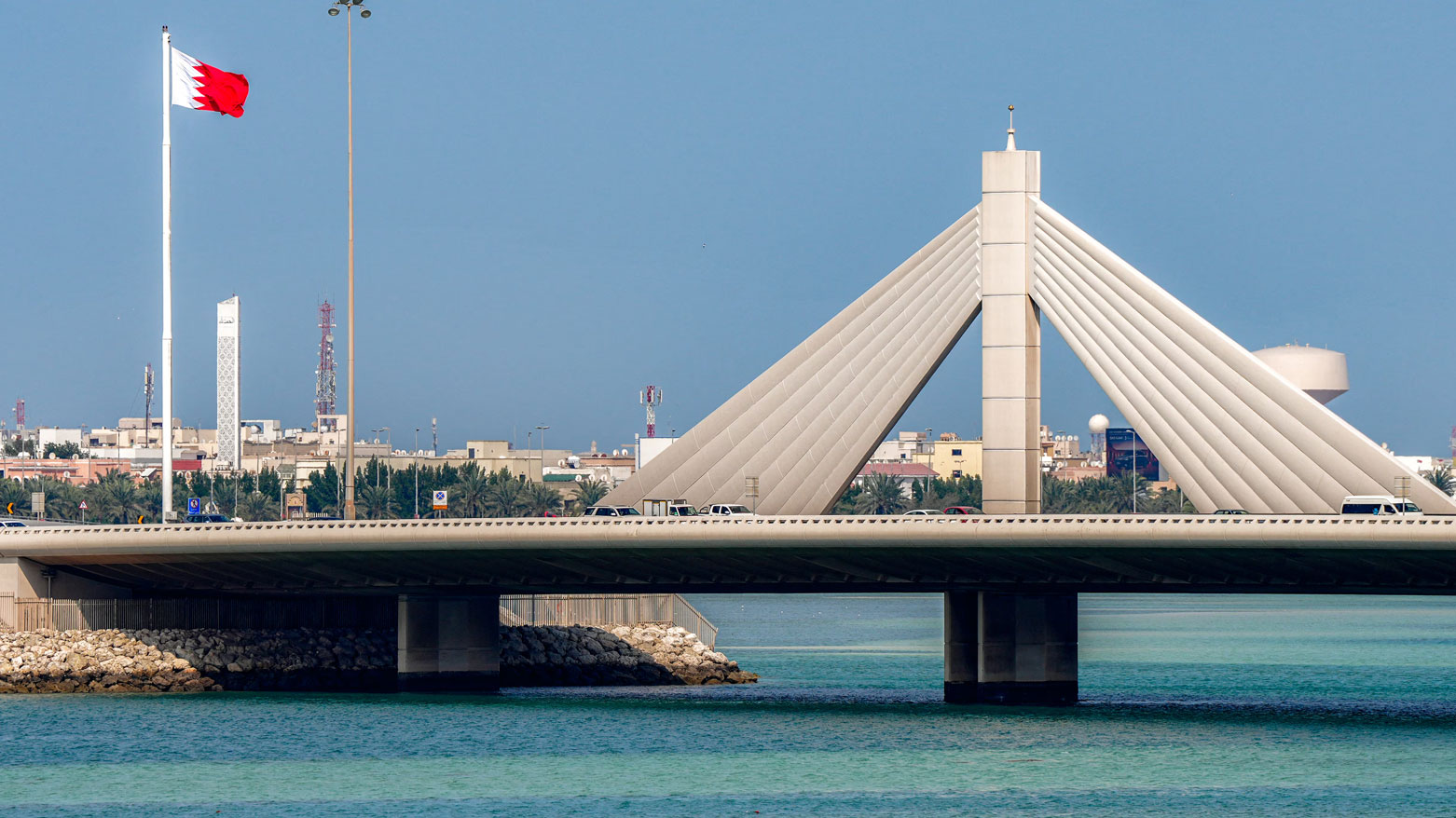
ERBIL (Kurdistan24) - Bahrain has projected a message of military preparedness and public resilience after announcing that its armed forces intercepted and destroyed multiple Iranian aerial attacks, presenting the operation as both a successful defensive response and a demonstration of the kingdom's readiness amid an increasingly volatile regional security environment.
In a statement issued on Saturday, the General Command of the Bahrain Defence Force said its air defense systems had successfully engaged a number of incoming Iranian missiles and drones, describing the attacks as part of what it called a continuing hostile campaign directed against civilians in the kingdom.
"The General Command of the Bahrain Defence Force announces that Iran continues its systematic hostile approach through its unlawful attacks targeting civilians in the Kingdom of Bahrain," the statement read.
The military said all branches of the Bahrain Defence Force remain at the highest state of operational readiness and are fully prepared to defend the country against further threats.
The announcement came as Gulf states face mounting pressure from a widening regional confrontation that is increasingly affecting both military and civilian infrastructure.
Across the Gulf, governments have been responding not only to direct security threats but also to attacks with wider economic consequences.
In neighboring Kuwait, authorities said another electricity and water desalination facility was struck, causing a fire that forced several power-generation units out of service, according to Agence France-Presse (AFP).
The incident followed a similar attack a day earlier and illustrated how critical infrastructure has become part of the broader regional crisis.
Against that backdrop, Bahrain's statement carried significance beyond reporting a successful interception.
It underscored the kingdom's determination to reassure the public that military capabilities remain intact while emphasizing that civil preparedness is an essential component of national security.
The Defence Force urged residents to avoid approaching unfamiliar objects or debris that may have resulted from intercepted missiles or drones and instead notify the relevant authorities immediately.
It said Royal Field Engineering personnel were prepared to safely recover and dispose of any remnants, describing those units as equipped to protect both citizens and residents during ongoing security operations.
The military also characterized the use of missiles and drones against civilians and private property as a breach of international humanitarian law, framing the attacks not only as a security challenge but also as a matter of legal and humanitarian concern.
The statement concluded by praising the professionalism, vigilance and combat readiness of Bahrain's armed forces, portraying their response as evidence of sustained operational capability under heightened regional tensions.
AFP separately reported that Bahrain's military announced it had repelled another wave of Iranian aerial attacks on Saturday.
An AFP journalist in Manama said air raid sirens sounded across the capital before explosions were heard, broadly aligning with the Defence Force's account that air-defense systems had intercepted and destroyed incoming threats.
The latest developments unfolded as military exchanges between the United States and Iran continued to intensify across the region.
AFP reported that U.S. Central Command carried out a seventh consecutive night of strikes targeting Iranian military facilities, while Washington and Tehran continued to exchange military action across multiple fronts.
The confrontation has increasingly drawn Gulf states into a broader security environment marked by heightened air-defense activity, disruptions around the Strait of Hormuz and growing concerns over the safety of regional infrastructure and commercial shipping.
Regional governments have responded with varying defensive measures.
Kuwait said its air defenses engaged hostile targets after attacks on military facilities and critical utilities, while Jordan reported intercepting Iranian missiles without casualties.
Bahrain and Qatar also announced successful interceptions of incoming projectiles, reflecting the increasingly interconnected nature of Gulf air defense operations during the current crisis.
Iran, meanwhile, offered a different account of its objectives.
According to AFP, citing Iranian state television, Tehran said it had targeted Sheikh Isa Air Base in southern Bahrain, identifying aircraft shelters, fuel storage facilities and related infrastructure associated with the U.S. military presence there. Those claims have not been independently verified.
Bahrain's Defence Force, by contrast, maintained that its air-defense network successfully neutralized the incoming threats before they could achieve their intended objectives.
The differing narratives illustrate the competing messages emerging from both sides of the confrontation.
While Tehran portrays its operations as responses to continued U.S. military action, Bahrain has focused on demonstrating defensive effectiveness, institutional preparedness and public reassurance.
As regional tensions continue to evolve, Bahrain's latest military statement reflects more than the outcome of a single interception.
It signals the kingdom's broader effort to project confidence in its defense capabilities, reinforce public vigilance and underscore its commitment to safeguarding civilian life while operating within an increasingly complex Gulf security landscape.
|
Summary Bahrain said its air defenses intercepted and destroyed multiple Iranian missiles and drones, while urging public vigilance and reaffirming military readiness. The announcement came as Gulf states faced expanding regional security threats and continued U.S.-Iran military exchanges. |