Ship Struck Near UAE Coast, UK Maritime Agency Says
"A vessel reports being struck by an unknown projectile causing damage to the steering gear. All the crew are reported as safe. There is no environmental impact," the agency said in a statement.
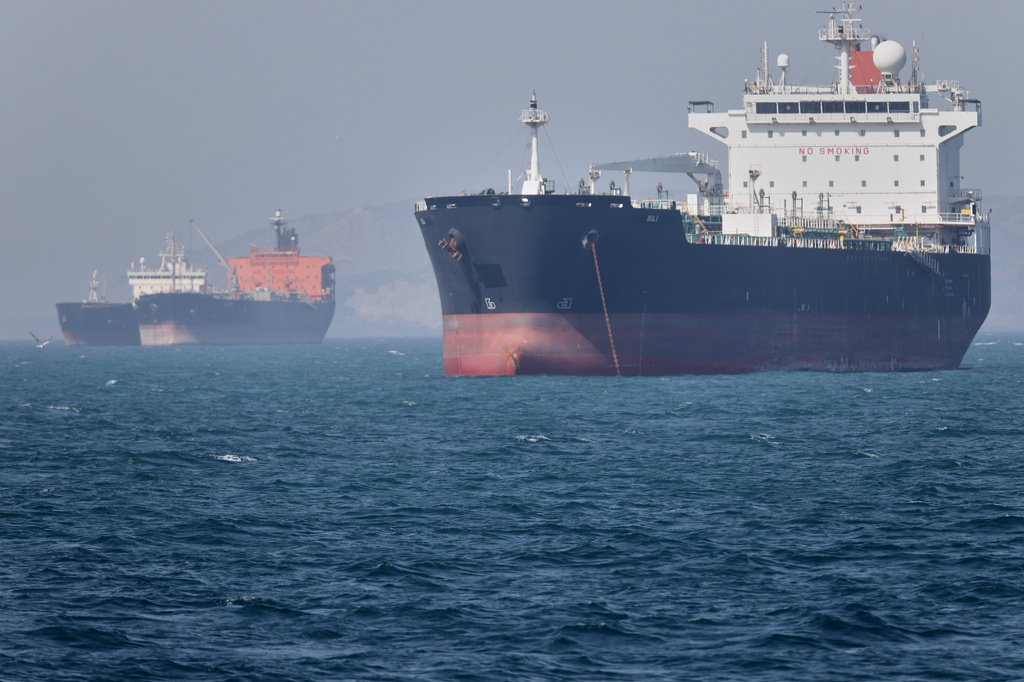
ERBIL (Kurdistan24) – A commercial vessel was struck by an unknown projectile off the coast of the United Arab Emirates on Monday, according to the United Kingdom Maritime Trade Operations (UKMTO), as military tensions between the United States and Iran continue to disrupt shipping in the Strait of Hormuz.
UKMTO said the incident occurred approximately 17 nautical miles east of Dibba, near the strategic waterway.
"A vessel reports being struck by an unknown projectile causing damage to the steering gear. All the crew are reported as safe. There is no environmental impact," the agency said in a statement.
The latest incident comes amid escalating hostilities between Washington and Tehran, which have severely disrupted maritime traffic through the Strait of Hormuz, a key global energy shipping route.
The conflict resumed in early July after the collapse of a June ceasefire. Iran re-declared the Strait of Hormuz closed on July 8, prompting the United States to reinstate its naval blockade of Iranian ports and launch renewed strikes against Iranian military targets.
The deteriorating security situation has led to repeated attacks on commercial shipping. Between July 6 and July 7, Iranian forces reportedly targeted three commercial vessels. On July 14, anti-ship cruise missiles struck two UAE-flagged tankers, Al Bahyah and Mombasa B, off the coast of Oman, causing casualties.
Military operations have since expanded beyond the maritime domain. U.S. forces have carried out multiple waves of airstrikes on Iranian coastal military facilities, while Iran has responded with missile and drone attacks targeting U.S. military assets in Kuwait, Bahrain, and Jordan.
The continuing exchange of attacks has heightened concerns over the security of one of the world's busiest shipping lanes, raising fears of further disruptions to global energy supplies and international trade.