U.S. Launches New Strikes on Iranian Military Targets, CENTCOM Says
Operation targets missile and drone launch sites, command centers, and maritime assets as U.S. vows to safeguard commercial shipping through the Strait of Hormuz
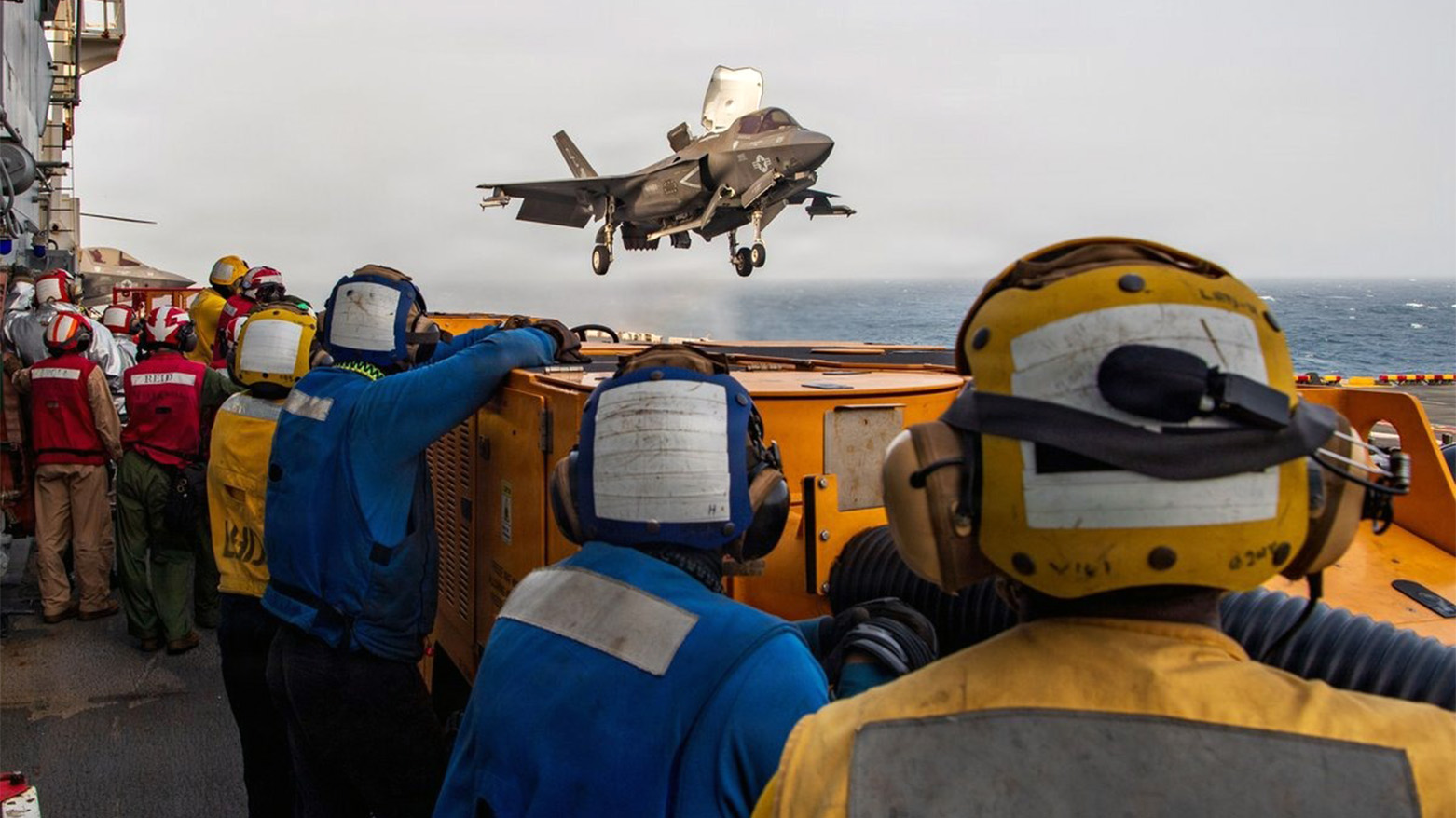
ERBIL (Kurdistan24) — The U.S. military said it carried out another round of strikes against Iranian military targets on Monday night, targeting command centers, missile and drone launch sites, maritime capabilities, and air defense systems in an effort to protect commercial shipping through the Strait of Hormuz.
In a statement posted on X, the U.S. Central Command (CENTCOM) said the operation was completed at 9 p.m. Eastern Time on July 20, describing the strikes as part of ongoing efforts to degrade Iran's ability to attack commercial vessels transiting the strategic waterway.
According to CENTCOM, U.S. forces struck Iranian military command centers, maritime capabilities, missile and drone launch sites, as well as air defense systems used to support attacks against shipping in the region.
The command said the operation was intended to reduce Iran's capacity to threaten civilian maritime traffic and ensure the continued flow of international commerce through the Strait of Hormuz, one of the world's most critical energy chokepoints.
CENTCOM noted that commercial vessel traffic through the corridor has continued despite heightened regional tensions. Since early May, U.S. forces have helped facilitate the safe transit of approximately 900 commercial vessels carrying around 450 million barrels of crude oil through the strait.
The military reiterated that American forces remain deployed across the region and are prepared to respond to further threats against international shipping.
"American forces remain postured and prepared to hold Iran accountable for unwarranted aggression toward civilian mariners seeking to freely and openly transit the strait," CENTCOM said.
The latest strikes come amid escalating military tensions between Washington and Tehran, with the Strait of Hormuz remaining a focal point of regional security concerns due to its strategic importance for global energy exports.
The narrow waterway connects the Gulf to international markets and serves as a vital route for a significant share of the world's seaborne oil shipments.