Nearly 100 U.S. Troops Injured in Iranian Strikes Across Middle East
CBS News reports that nearly 100 U.S. service members were injured in Iranian strikes during July 2026 as the Pentagon, President Donald Trump, and military officials confront an escalating U.S.-Iran security crisis across the Middle East.
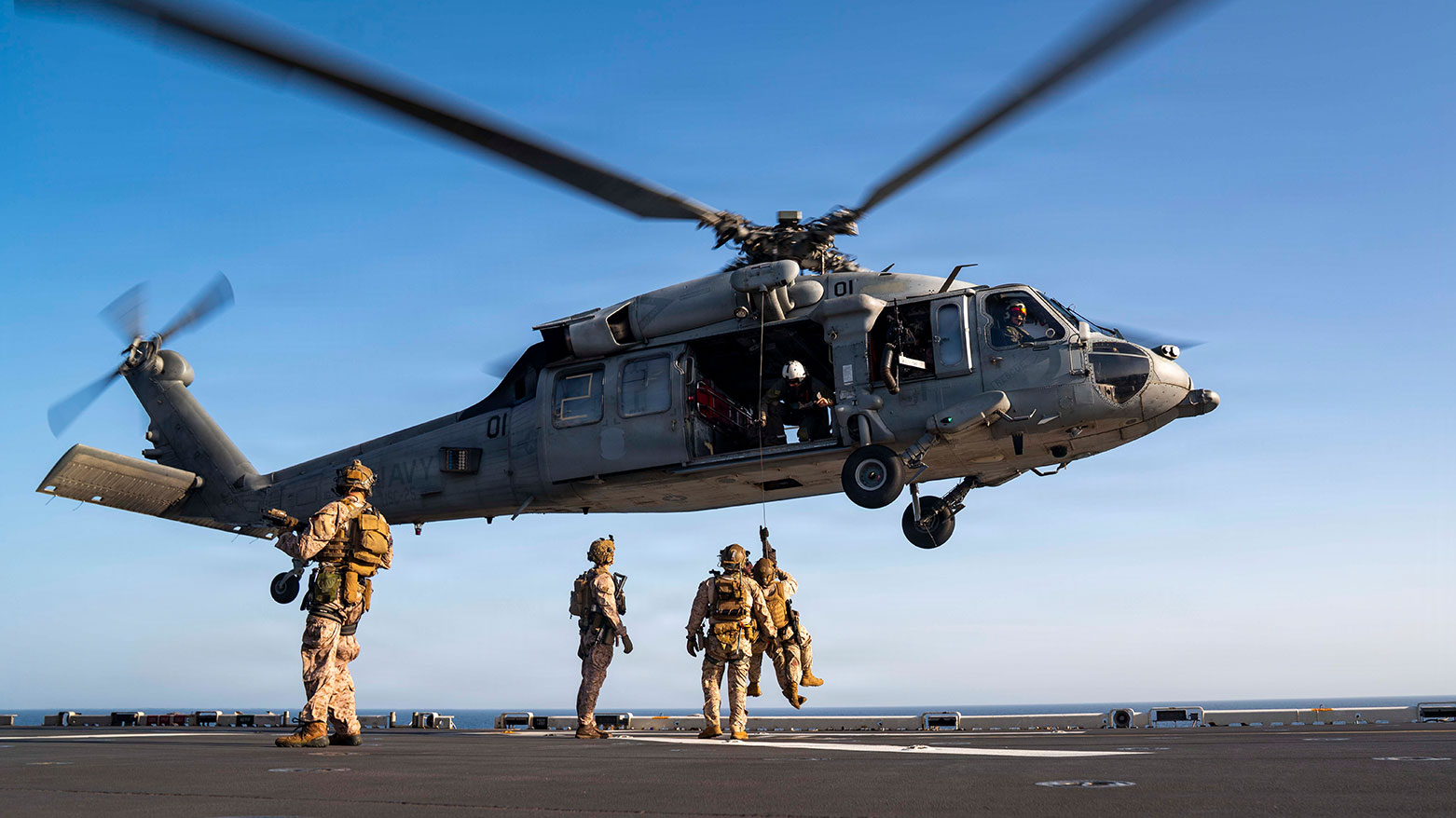
ERBIL (Kurdistan24) - Nearly 100 U.S. service members have sustained injuries during Iranian strikes on American military positions across the Middle East this month, according to a report by CBS News, highlighting the growing human toll of an increasingly volatile confrontation between Washington and Tehran.
The newly disclosed figures offer one of the clearest indications yet of the operational impact of the latest wave of Iranian attacks, even as U.S. officials emphasize that most affected personnel have already resumed their duties.
Citing U.S. officials, CBS News reported that the injuries stem from multiple Iranian strikes carried out since early July.
Pentagon Chief Spokesman Sean Parnell confirmed that almost 100 service members "were deemed to have some degree of injury since July 7, 2026," adding that approximately 96 percent have already returned to active duty.
According to Parnell, the majority of the injuries were diagnosed as minor concussions, reflecting the effects of repeated attacks on military installations rather than large-scale battlefield casualties.
While the relatively high return-to-duty rate suggests that most injuries were not severe, the figures nevertheless underscore the intensity of recent exchanges between the United States and Iran.
The casualty disclosures come as military tensions have accelerated following the collapse of a ceasefire that had previously helped contain direct confrontation between the two countries.
Since then, the United States has intensified military operations against Iranian targets, while Iran has responded with strikes targeting U.S. positions and facilities associated with American forces in several countries across the region, including Jordan, Kuwait and Bahrain.
The latest injury figures therefore illustrate more than isolated battlefield incidents. They reflect a broader pattern of sustained military exchanges that has increased the risks facing American personnel stationed throughout the Middle East.
Although the Pentagon has confirmed the number of injured personnel, it has not publicly released a comprehensive assessment detailing where every injury occurred or the extent of damage inflicted on affected military installations.
The issue gained additional urgency after recent deadly attacks involving U.S. forces.
Over the weekend, the Department of War announced that two American soldiers were killed at a military installation in Jordan.
Officials also said unidentified remains were recovered at the location where another U.S. service member had previously been reported missing.
Separately, another American service member died in Iraq during what the War Department described as a controlled detonation involving unexploded ordnance from a downed Iranian one-way attack drone.
Those fatalities have heightened concerns over the deteriorating security environment confronting U.S. forces deployed across the region, where military personnel continue to operate amid expanding hostilities and an elevated threat from Iranian strikes.
The Pentagon's broader casualty data illustrates the cumulative impact of the conflict.
Military casualty records already listed hundreds of U.S. personnel wounded since the start of the U.S.-Iran confrontation, but CBS News reported that the latest injuries had not yet been incorporated into those publicly available figures, making this month's toll a significant addition to the overall casualty picture.
The latest developments have also prompted a forceful response from President Donald Trump, who pledged that attacks resulting in American deaths would trigger a decisive U.S. reaction.
In a statement posted Monday, Trump declared that Iran would face severe consequences whenever American soldiers were killed, adding that he had issued corresponding instructions to senior military leaders.
The White House also announced that the president would attend the dignified transfer of the service members killed during the latest attacks.
Taken together, the Pentagon's injury figures and the recent fatalities illustrate the increasingly dangerous operating environment confronting U.S. forces as military exchanges with Iran continue.
While most of the wounded have returned to service, the scale of the injuries serves as another indication that the confrontation has evolved beyond isolated incidents into a sustained regional security challenge with direct consequences for American personnel.
|
Summary CBS News reports that nearly 100 U.S. service members were injured in Iranian strikes across the Middle East during July 2026. Pentagon officials said most suffered minor concussions and have returned to duty as U.S.-Iran tensions continue to intensify following the collapse of the ceasefire. |